camping gear campsite usage guide
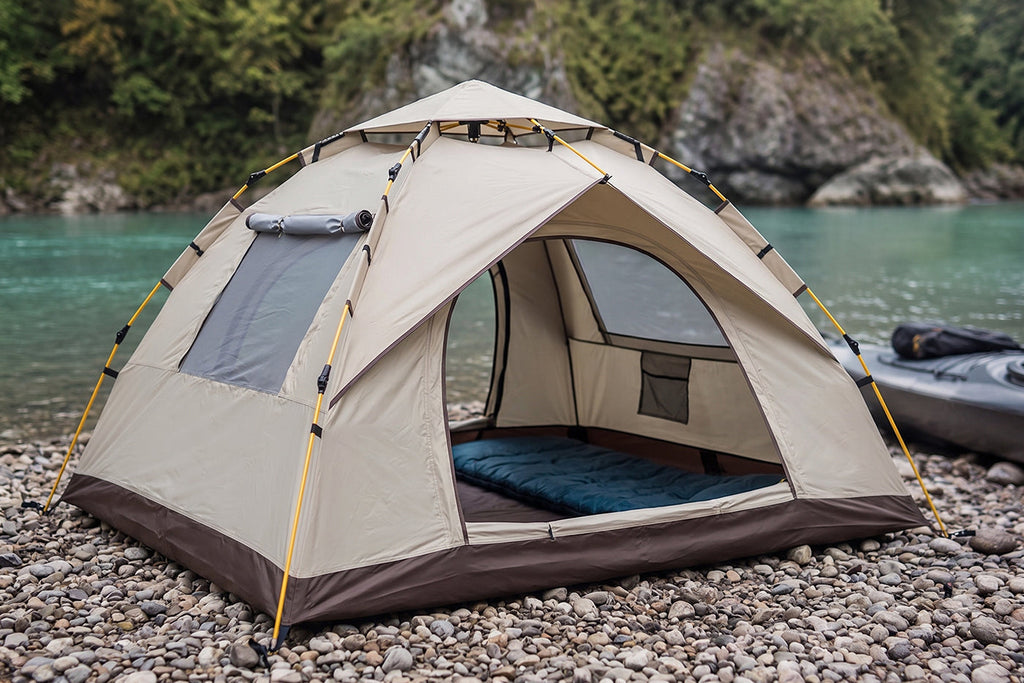
A campsite is more than just a spot to sleep, it is your temporary outdoor home that you shape with your gear to be comfortable, efficient, and low-impact on the surrounding environment. Using your gear the right way around your site makes every activity from cooking to relaxing feel smooth and natural, so you can spend more time enjoying your trip and less time dealing with small annoyances.
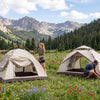
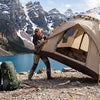
Your first hour at the site sets the tone for your entire stay, so take your time to set up each area with clear, separate functions in mind. Choose a spot for your sleeping shelter that is flat, slightly elevated, and protected from wind, then use the natural features around you to plan the rest of your layout. Place your main cooking area at least five meters away from your sleeping area, downwind, so any food smells drift away from your tent and do not attract animals during the night. Set up a dedicated gear storage spot near your sleeping shelter, but not directly inside it, to keep the space inside your tent clean and free of clutter. Use a simple, light tarp strung between two trees or supported by your trekking poles to create a dry, shaded space where you can sit, eat, or organize gear without having to retreat to your tent every time a light rain starts or the sun gets too hot. Keep a small, collapsible bucket of clean water and a simple soap container near the main cooking area, so you can wash your hands and rinse dishes without having to walk back and forth to a distant water source every few minutes.
How you handle your food and cooking gear around the campsite makes a huge difference in keeping animals away and avoiding messy spills. Store all your food, trash, and scented items like toothpaste and sunscreen in a sealed, hard-sided container, and place it at least thirty meters away from your sleeping area before you go to bed each night. If you are in an area with active bears or other large wildlife, use a proper bear-resistant storage method, or hang the container from a high, sturdy tree branch at least four meters off the ground and one meter away from the trunk. Never cook or eat inside your sleeping shelter, as even tiny food crumbs or small drops of cooking oil will leave a smell that can draw curious animals to your tent later on. After every meal, clean all your cooking pots, utensils, and dishes with a small amount of biodegradable soap and warm water, and scatter the used water over a wide area at least twenty meters away from your campsite, your water source, and any main trails. This prevents leftover food particles from piling up in one spot and attracting insects or small animals right next to where you sleep.
Managing light, sound, and personal items around your site keeps the area pleasant for you and respectful for any nearby campers. When the sun goes down, use your headlamp on the lowest brightness setting or the red-light mode for most tasks around your site, as bright white light can ruin your own night vision and disturb other campers who might be trying to enjoy the stars. Keep all small personal items like your wallet, keys, and phone inside a small, zippered bag that stays in your tent at all times, instead of leaving them out on a log or a rock where they can easily get lost, knocked over, or covered in morning dew. If you need to charge any small electronic devices, do it during the day when you are active around the site, so you are not leaving small, blinking lights on all night that can draw insects and confuse local wildlife. Avoid loud, extended conversations or music after dark, as sound carries much further in the quiet of the night and can disrupt the natural peace of the area for other people camping nearby.
Small daily habits with your gear keep your site clean, safe, and ready for you to enjoy throughout your trip. Every morning, shake out your sleeping bag and lay it over a clean, dry surface for at least fifteen minutes to let any trapped moisture from your body evaporate before you pack it away. This simple step keeps the insulation inside your bag from getting damp and losing its ability to keep you warm on future nights. Check the ground around your entire shelter for any small, sharp objects like rocks or pine cones that might have appeared overnight, and clear them away before you walk around barefoot or set up your morning cooking area. As you pack up to leave, do a final slow walk through every part of your campsite, looking for any tiny pieces of trash, food wrappers, or small gear items you might have missed. The goal is to leave the site looking exactly as you found it, or even cleaner, so the next group of campers can enjoy the same natural beauty you did. These consistent, thoughtful habits turn a simple patch of ground into a comfortable, functional outdoor home for the entire time you are there.