Camping Gear Long Term Use Considerations
Camping gear that performs well on its first few trips often reveals limitations only after seasons of regular use, when accumulated wear, material fatigue, and changing needs become apparent. Long-term considerations focus on how equipment ages, adapts to evolving camping styles, and maintains functionality across hundreds of nights in varied conditions. These factors separate gear that becomes a trusted companion for decades from items that require frequent replacement or become frustrating as their shortcomings emerge over time.
Evaluate material aging characteristics beyond initial durability claims
Manufacturers typically test gear for immediate performance, but long-term users need to understand how materials behave after repeated exposure to UV radiation, moisture cycles, compression, and temperature fluctuations. Examine how fabrics change texture and flexibility after multiple seasons—some become brittle and develop micro-tears, while others maintain suppleness but lose water resistance. Check whether coatings delaminate at stress points or wear thin in high-friction areas that contact gear during packing and transport. Assess how insulation materials redistribute or compact over time, creating cold spots in sleeping bags or reduced loft in clothing. These aging patterns determine whether gear remains reliable for extended periods or deteriorates in ways that compromise performance just as you have come to depend on it.
Assess how designs accommodate changing physical needs and camping styles
Camping preferences and physical capabilities evolve over years, sometimes gradually and sometimes suddenly due to injury, age, or shifting interests. Gear that works perfectly at twenty might become impractical at forty, not because it fails, but because your needs change. Consider whether shelter designs accommodate different sleeping positions or mobility limitations that might develop. Evaluate how pack systems distribute weight as your carrying capacity changes, and whether adjustment ranges provide flexibility for different body conditions. Look for cooking systems that remain usable if your dexterity decreases or your meal preferences shift toward simpler preparation. The most adaptable gear serves you through life changes rather than forcing complete system replacements as your circumstances evolve.
Consider maintenance requirements and serviceability over product lifespan
All camping gear requires maintenance, but some designs make proper care nearly impossible while others facilitate easy upkeep that extends useful life. Examine whether critical components can be cleaned, lubricated, or replaced using standard tools and basic skills. Check if manufacturers provide spare parts, repair materials, and clear maintenance instructions for the expected lifespan of their products. Assess whether specialized treatments or coatings require particular cleaning agents that might become unavailable or that you might hesitate to use regularly. Gear that supports ongoing maintenance through thoughtful design remains functional far longer than items that appear durable initially but cannot be properly cared for as they age.
Analyze how systems integrate with future gear additions and replacements
Your camping kit evolves over time as you replace individual pieces, add new capabilities, or specialize for different trip types. Gear that integrates well with both current and future components prevents the frustrating incompatibilities that force complete system overhauls. Look for connection systems, sizing standards, and performance characteristics that align with common industry approaches rather than proprietary designs that lock you into a single brand ecosystem. Consider whether individual pieces can be mixed with gear from different manufacturers or generations without creating functional gaps or redundancy. This forward-looking compatibility ensures your investments continue providing value even as other parts of your kit change around them.
Verify performance consistency across varied storage conditions and seasonal cycles
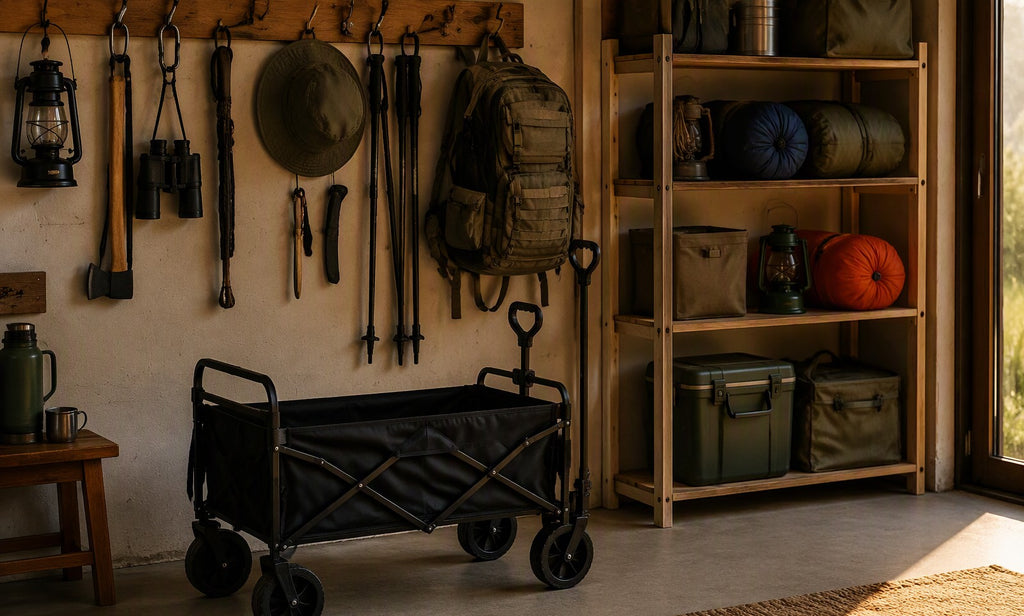
Camping gear often spends more time in storage than in active use, and how it survives these dormant periods significantly impacts long-term reliability. Evaluate how materials respond to extended compression in storage bags, temperature fluctuations in garages or closets, and humidity variations across seasons. Some fabrics develop permanent creases or weakened fibers when stored improperly, while others rebound well after months of compression. Check whether metal components corrode during storage in humid environments, or if plastic parts become brittle when exposed to temperature extremes while packed away. These storage characteristics determine whether gear remains ready for use after off-season periods or requires extensive rehabilitation before each new camping season.
Frequently Asked Questions
How can I tell if my camping gear will last for many years of regular use?
In my testing, I look beyond initial durability. You need to consider how materials react to repeated UV exposure, moisture, and temperature changes over time. Watch for fabrics becoming brittle or losing water resistance, and check if coatings delaminate at stress points. Insulation often compacts or shifts, creating cold spots, so evaluate how your gear ages rather than just how it performs on day one.
Should I worry about my camping gear becoming impractical as I get older?
Yes, your needs will likely shift due to age, injury, or changing interests. I recommend choosing gear with adaptable designs, such as shelters that accommodate different mobility levels or pack systems with flexible weight distribution. If your gear can adjust to your evolving physical needs, you won't be forced to replace your entire setup just because your camping style or personal circumstances have changed.
Is it important to choose gear that I can repair myself?
Absolutely. I prioritize gear that allows for easy maintenance using basic tools and standard skills. When evaluating products, check if the manufacturer provides spare parts and clear repair instructions. If a design makes cleaning or replacing components impossible, the gear will have a much shorter lifespan. Thoughtful design that supports ongoing upkeep is the best way to extend the life of your equipment.
How do I avoid gear incompatibility when building a long-term kit?
I always avoid proprietary designs that lock me into a single brand. Instead, I look for sizing standards and connection systems that align with common industry approaches. This allows me to mix and match pieces from different manufacturers or generations without creating functional gaps. By choosing compatible gear, your existing investments remain useful even as you add new capabilities or replace individual items over time.
Does how I store my camping gear affect its long-term performance?
Gear spends most of its life in storage, so it matters how it handles dormant periods. I check if materials can withstand extended compression, temperature swings, and humidity without developing permanent creases or corrosion. Some fabrics and plastic components degrade if stored improperly, so choosing gear that rebounds well after months of storage ensures your equipment is ready to go when the next season starts.
Related reading
- Camping Gear Feature Comparison Guide
- Digital Nomad Outdoor Setup: Work from the Wilderness
- Camping Gear Setup & Takedown: A Step-by-Step Field Guide

Vivian J is a Product Manager at Finvizo and an avid outdoor enthusiast. She tests gear on real trails and writes from hands-on field experience to help readers choose equipment that performs reliably outdoors.