Camping Gear Safety Buying Guide
Buying camping gear with safety as a core priority does not mean sacrificing comfort or convenience, it means picking items designed to handle unexpected weather, rough handling and long-term use without failing when you need them most. Many campers only think about safety for obvious items like first aid kits, and overlook the small details in their core shelter, sleep and cooking gear that can lead to serious problems far from help. This guide focuses on practical, hands-on checks you can do before you purchase, so you spot potential safety issues long before you ever head out to a remote site.
Shelter material and construction safety factors
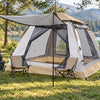
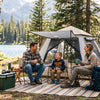
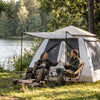
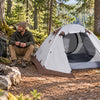
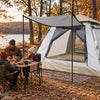
Look beyond basic waterproof ratings and inspect the physical materials used in the shelter body, poles and attachment points. Check the thickness and weave of the tent fabric itself, and hold a small section up to bright light to make sure there are no thin spots or loose threads that could tear open in high wind. Test all the stitching along the seams and stress points, pulling gently along the thread line to confirm it is tight and uniform with no loose sections that could unravel over time. Inspect the pole material for cracks, sharp burrs or weak connection points that could snap under sudden pressure, and make sure all the pole sections lock together firmly without excessive play or wobble. Check that every zipper is backed by a durable storm flap that fully covers the teeth, so rain and wind cannot blow straight through the opening even when the zipper is fully closed. Confirm the shelter has enough low, reinforced attachment points to stake it down securely in all directions, not just at the four main corners.
Sleep system stability and hazard avoidance
Start by checking the sleeping pad for any signs of material weakness or design flaws that could lead to slow leaks in cold weather. Inflate the pad fully and leave it for 24 hours, then check for any loss of firmness that indicates a tiny pinhole leak that could leave you sleeping on the hard ground halfway through the night. Look for reinforced edges and anti-slip surfaces that keep the pad from sliding around on tent floors or uneven ground, so you do not wake up with half your body off the pad and pressed against cold fabric. For sleeping bags, check that all zippers have a smooth, snag-free path that does not catch on lining fabric, so you do not get stuck inside the bag if you need to get out fast. Make sure any insulation material is evenly distributed with no thin spots or clumps that leave cold areas right over your core. For camp cots, test the maximum weight limit by applying sudden downward pressure on the center, and confirm the legs do not wobble, bend or collapse under stress.
Camp stove and fuel system hazard checks
Examine every connection point on the stove and fuel line for tight seals, smooth threading and secure locking mechanisms that do not come loose with normal vibration. Test the ignition system in a controlled outdoor space before you ever take it camping, and confirm it lights reliably on the first or second try every single time, so you do not end up holding a lit match near leaking fuel. Check that all control knobs turn smoothly and have clear, tactile indicators for off, low and high settings, so you never accidentally leave the stove on high when you think it is off. Look for built-in wind shields that protect the flame from sudden gusts, so you do not have a flare-up that ignites nearby dry grass or gear. Make sure the fuel canister attachment point has a secure, stable base that keeps the whole unit from tipping over when you place a full pot of water on the burner. Test the stove’s stability on uneven surfaces by setting it on a slanted board, and confirm it does not wobble or rock enough to spill hot contents.
Lighting and power source safety verification
Test every light and power source for secure battery compartments, reliable on/off switches and clear indicator lights that show remaining charge. Make sure all battery contacts are corrosion-resistant and sit tightly against the batteries, so the connection does not fail when you bump the light against a rock or drop it on soft ground. Check that all charging ports are fully covered by tight, waterproof seals when not in use, so rain or spilled water cannot seep into the internal circuits and cause a short. For any light that gets hot during extended use, confirm the outer casing stays cool enough to touch with bare hands, so you do not accidentally burn yourself when adjusting the angle. Test how the light performs in damp conditions by misting it lightly with water while it is on, and make sure the beam does not flicker or cut out from moisture seeping into the housing. For portable power banks, check that all output ports deliver a consistent, stable current without overheating, even when charging multiple devices at the same time.
Emergency and communication gear reliability tests
Go beyond the basic features listed on the box and test how each piece of emergency gear performs under realistic stress. For emergency lights and beacons, confirm the battery life matches the stated runtime even when used in cold temperatures, as many batteries drain faster in freezing conditions. Test your emergency whistle by blowing it as hard as you can for 30 seconds straight, and listen for a clear, piercing sound that carries over wind noise and does not cut out. Check that your first aid kit contains sealed, sterile items that are easy to access one-handed, with clear labels you can read in low light or when you are in a hurry. For communication devices, test sending a simple message from the exact type of terrain you plan to camp in, to make sure the signal goes through even with tree cover or hills blocking the line of sight. Practice using every tool in your repair kit on a scrap piece of fabric or cord, so you know exactly how much pressure to apply and how long each fix takes before you need it in an actual emergency.
Frequently Asked Questions
What is the best safety gear for camping?
Safety is not just about a first aid kit. In my testing, I prioritize gear that handles rough conditions without failing. This includes checking tent fabric for thin spots, ensuring sleeping pads hold air for 24 hours, verifying stove stability on uneven surfaces, and confirming that emergency whistles and communication devices function reliably in the specific terrain where you plan to camp.
How can I check if my tent is safe before a trip?
I always inspect the fabric by holding it up to light to spot thin areas or loose threads. I pull gently on all seams to ensure stitching is tight and uniform. I also check that poles lock together without wobbling and confirm that every zipper is protected by a storm flap to prevent wind and rain from blowing through the opening.
How do I test my camp stove for safety?
I test the ignition in a controlled outdoor space to ensure it lights reliably on the first or second try. I also check that fuel connections are tight and that the stove remains stable on a slanted board. It is crucial that control knobs turn smoothly and that the unit has a secure base so it does not tip over with a full pot.
What should I look for when buying a sleeping pad?
I always inflate my pad fully and leave it for 24 hours to check for pinhole leaks. During my testing, I look for reinforced edges and anti-slip surfaces to keep the pad from sliding on the tent floor. A pad that loses firmness or shifts while you sleep can leave you pressed against cold fabric, which is a safety concern in colder weather.
Are there specific safety checks for camping lights and power banks?
I check that battery compartments are secure and that contacts are corrosion-resistant. For lights, I ensure the casing stays cool to the touch and that the beam does not flicker when misted with water. For power banks, I verify that output ports deliver a stable current without overheating, even when I am charging multiple devices at the same time.
Related reading
- Camping Gear Feature Comparison Guide
- Digital Nomad Outdoor Setup: Work from the Wilderness
- Camping Gear Setup & Takedown: A Step-by-Step Field Guide

Vivian J is a Product Manager at Finvizo and an avid outdoor enthusiast. She tests gear on real trails and writes from hands-on field experience to help readers choose equipment that performs reliably outdoors.