4 Person vs 6 Person Tent: What Size Do You Actually Need?
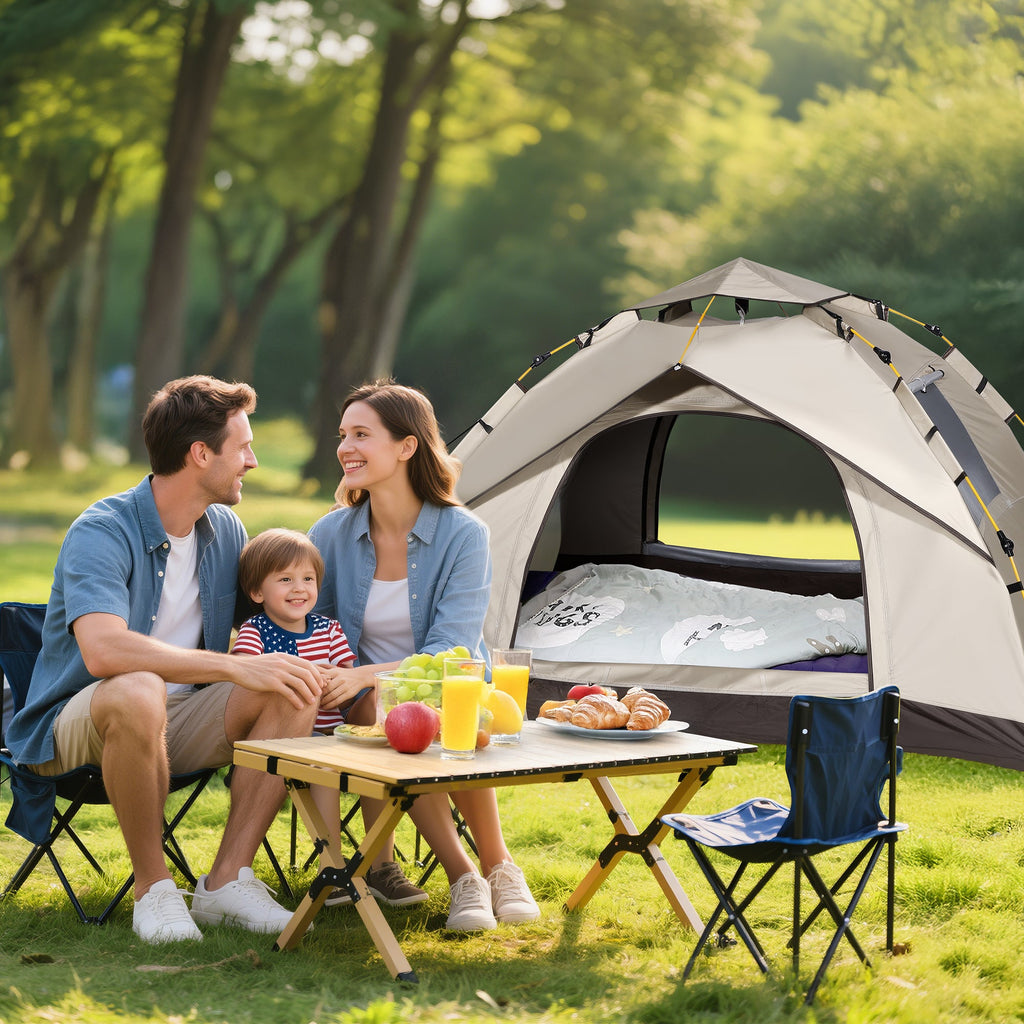
TL;DR: Tent capacity ratings assume everyone sleeps shoulder-to-shoulder with zero gear inside. Real-world rule: subtract two. A 4 person tent comfortably sleeps 2–3 people, and a 6 person tent sleeps 4. Couples and pairs should buy the 4; families of 3–4 (or anyone who brings a dog and a cooler) should buy the 6.
The first tent I ever bought was a "4 person" dome for a trip with three friends. Four adults, four sleeping pads, four duffel bags — by midnight we were stacked like cordwood and somebody's elbow was in my face. That trip taught me the single most useful thing I know about tents: the number on the box is not the number of happy campers inside. (If you want the full decision framework beyond just size, my tent size guide for families covers seasons, vestibules, and layouts too.) Here, we'll settle the specific debate I get asked about most: 4 person vs 6 person — which size do you actually need?
First, Understand Tent Capacity Ratings
Manufacturers rate tent capacity by laying standard 20-inch sleeping pads on the floor like sardines — no gear, no elbow room, no personal bubble. It's not dishonest; the tent physically fits that many bodies. It just doesn't fit that many comfortable humans with stuff.
The rule of thumb I use and recommend: real capacity = rated capacity minus one or two, depending on how much gear you keep inside and how well you like your tentmates. A 4 person tent is a palace for two and workable for three. A 6 person tent is comfortable for four and luxurious for three. Plan around the comfortable number, not the printed one.
4 Person vs 6 Person Tent: Head-to-Head
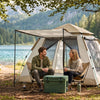
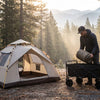
Here's how the two sizes actually compare in the field — using typical specs from tents like our Finvizo 2/4 person pop up tent and the Finvizo 3-4/6-8 person cabin tent with porch:
| 4 Person Tent | 6 Person Tent | |
|---|---|---|
| Typical floor area | 55–65 sq ft | 85–100 sq ft |
| Sleeps comfortably | 2 adults, or 2 + 1 kid | 4 adults, or family of 4–5 |
| Peak height | 4–4.5 ft (crouch to move) | 5.5–6.5 ft (many stand up straight) |
| Packed weight | ~8–12 lbs | ~15–22 lbs |
| Setup time | Faster; instant/pop-up models pitch in under a minute | Longer; bigger fly and more stakes, though instant cabin styles still go up fast |
| Campsite footprint | Fits tight tent pads and small sites | Needs a big, flat pad — check site dimensions before booking |
| Best for | Couples, pairs, festivals, smaller cars | Families, base camping, longer stays, gear-heavy trips |
When a 4 Person Tent Is Enough
Buy the 4 person if you're a couple or a pair. Two adults get real elbow room, space for duffels at the foot of the pads, and a tent that still fits on small tent pads at crowded campgrounds. It's also the right call if any of these sound like you:
- You camp 1–3 nights at a time and pack light.
- Your trunk space is limited — a 4 person tent packs down to duffel size and slides behind a seat.
- You sometimes hike in a short distance. A 4 person is car-camping weight but not punishing; the Finvizo 2 person backpacking tent is the better pick if you're carrying it miles, but a compact 4 person can handle a quarter-mile walk-in fine.
- You want the fastest possible setup for quick weekend escapes.

One more scenario where 4 punches above its weight: two adults plus a small child. The kid sleeps between you, gear goes in the vestibule, and everyone fits without upgrading to a bigger, heavier tent.
When You Should Go 6 Person
Step up to the 6 if three or more people are sleeping in it regularly, or if your trips look like this:
- Family of 4+: Parents, two kids, and the inevitable pile of stuffed animals, blankets, and a portable crib. A 4 person tent turns that into a negotiation every night.
- You bring the dog: A 70-lb lab takes up the floor space of a small adult. Size up.
- Longer stays (4+ nights): On night one, cramped is funny. By night four, it's a feud. Bigger tents let everyone claim a corner.
- Bad-weather insurance: A 6 person tent — especially a cabin style with standing height — gives you somewhere to ride out a rainy afternoon that isn't your car. Cabin tents with a porch, like the Finvizo porch model, add a shaded "mudroom" for chairs, coolers, and sandy shoes.
- Queen air mattress people: A queen mattress is 60×80 inches — it eats most of a 4 person floor. In a 6 person it fits with walking room to spare.

What About 5 Person Tents?
The 5 person is the middle child — and honestly, it's often the awkward one. It's too cramped for the groups who need a 6, yet heavier and bulkier than a 4 for the couples who don't. The exception: three campers who want comfort without the full footprint of a 6. If that's exactly your crew, a 5 works. Everyone else should pick a lane.
My honest take after years of packing for real trips: when torn, size up. Nobody has ever lain in a tent at 2 a.m. wishing they had less room. The extra 7 pounds of a 6 person tent matters in a parking lot, not from your car to a campsite 50 feet away.
FAQ: Tent Sizing Questions
Is a 4 person tent big enough for a family of 4?
Technically yes, comfortably no. Four adults or two adults plus two teens will be wall-to-wall with no gear storage. A family of 4 should buy a 6 person tent; a family of 4 with a dog should consider an 8.
How big is a 6 person tent, really?
Most 6 person tents offer 85–100 square feet of floor space — roughly a 10×9 or 10×10 foot footprint — with peak heights from 5.5 to 6.5 feet. That's room for four sleeping pads plus gear, or two queen air mattresses with a walkway.
Does a bigger tent take much longer to set up?
It used to. Modern instant and pop-up designs have mostly erased the gap — an instant 6 person cabin tent pitches in a few minutes with two people. Where size still costs you is stake-out time for the rainfly and guylines, and the sheer weight of hauling it.
Can two people use a 6 person tent?
Absolutely — it's a fantastic luxury setup for couples on longer trips: queen mattress, standing height, chairs inside during rain. Just confirm your campsite's tent pad fits a 10×10 footprint before you book. If you are weighing tent fabrics for that kind of wet-weather use, our canvas vs nylon tent comparison covers how the two materials handle American weather.
What size tent do I need for car camping vs backpacking?
For car camping, follow the "rated minus one or two" rule and buy for comfort. For backpacking, weight rules everything — buy close to your actual headcount (a true 2 person backpacking tent for two hikers) and accept the snug fit.
The Bottom Line
Ignore the label, count your real crew, and add space for the dog, the gear, and the rainy afternoon. Couples: the Finvizo 4 person pop up tent is your sweet spot. Families and gear-haulers: go straight to the 6 person cabin tent with porch and never apologize for the extra room. Whatever size you pick, a few natural bug-proofing tricks for camp make those long evenings inside far more pleasant.
Already picked your size? The next decision is setup style — here's how pop up vs instant tents compare on speed and durability.

Written by Vivian J
Product Manager at Finvizo and an avid camper who tests gear on real trails. She writes from hands-on field experience to help you pick equipment that actually holds up outdoors.