How to Keep Bugs Away Camping Natural: Chemical-Free Guide
Keep bugs away camping natural with fine mesh tents, essential oils, protective gear, and smart site choices for safe, chemical-free outdoor comfort.
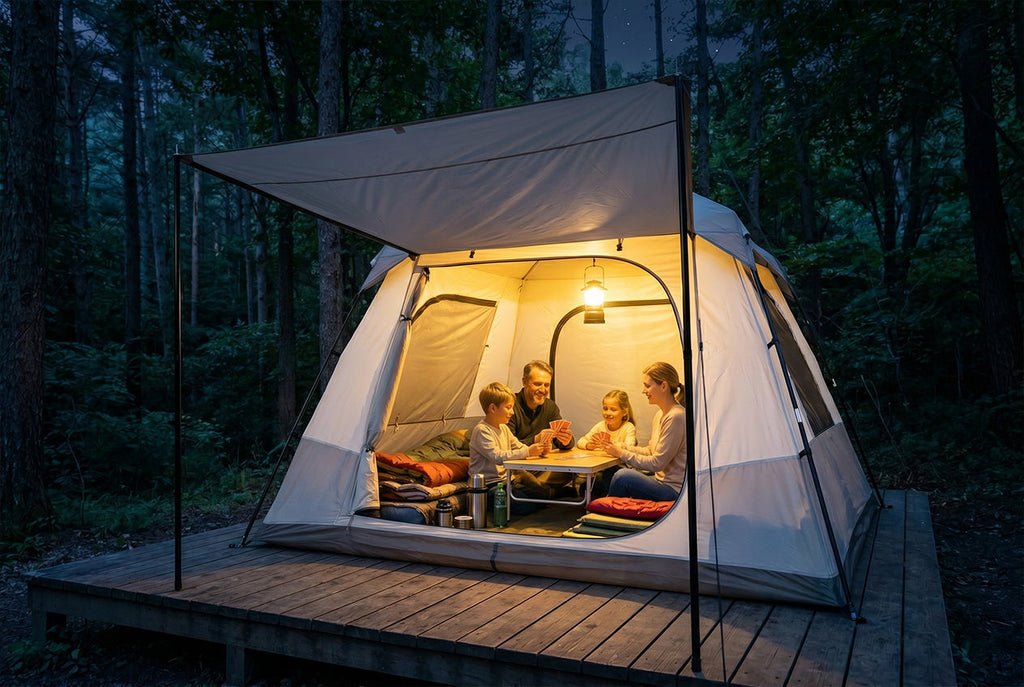
Finvizo 2/4 Person Instant Pop Up Camping Tent | Waterproof Hydraulic Automatic Setup in 60s & Dual Doors — Skip the complicated assembly
View ProductWhy Natural Bug Protection Matters for Campers
Bugs are a health risk. Mosquitoes transmit West Nile and Zika; ticks carry Lyme disease affecting 476,000 Americans yearly. DEET absorbs through skin and is not recommended for children under 3. Natural does not mean weak — oil of lemon eucalyptus (OLE) provides 6-8hrs protection per CDC data. See the CDC mosquito bite prevention recommendations.

What You'll Need: Your Natural Bug Defense Kit
- Physical barrier tent with fine no-see-um mesh (1,200+ holes/sq inch)
- Neck gaiter or buff for face and neck protection
- Citronella candles or portable diffusers
- Essential oil blend: lemon eucalyptus, citronella, lavender, peppermint
- Unscented personal care products
- Light-colored, long-sleeve clothing
- Permethrin-treated clothing (fabric only)
- Mosquito coils with natural pyrethrin (perimeter only)
- Portable mosquito net for lounging area
- Witch hazel or apple cider vinegar for DIY sprays
Finvizo tents with sealed seams and no-see-um mesh create a reliable physical bug barrier. If your top priority is to keep bugs away camping natural, start with the tent. Pair one with a multifunctional neck gaiter. Read our How to Choose a Camping Tent guide. Skin-safe repellents go on your body; never apply perimeter chemicals to skin.
Step-by-Step: Building Your Natural Bug Defense
Step 1: Choose a Bug-Resistant Campsite
Avoid camping within 50ft of standing water. Select breezy, elevated sites — even 5mph wind reduces mosquito landings by up to 70%. Smart site selection is the easiest way to keep bugs away camping natural.
Step 2: Set Up Your Physical Bug Barrier
Choose a tent with fine no-see-um mesh to block insects smaller than standard mesh. Inspect seams and zippers, sealing gaps with tape. Finvizo instant tents feature ultra-fine no-see-um mesh and sealed seams — ideal for families. This is the foundation to keep bugs away camping natural all night long.

Step 3: Apply Your Natural Repellent Barriers
For skin, apply OLE or essential oil blend every 2-4hrs on ankles, wrists, neck, and behind ears. For clothing, treat with permethrin spray 24-48hrs before your trip — fabric only. Place citronella candles 10-15ft from your sitting area.
Step 4: Protect Your Face and Neck During Peak Hours
Dusk to dawn and the first two hours after sunrise are peak windows. Pull your neck gaiter up over your nose and ears for a breathable barrier. A Finvizo neck gaiter provides lightweight face protection without the claustrophobia of a full head net. For the best way to keep bugs away camping natural during peak hours, combine the gaiter with OLE repellent.

Step 5: Manage Your Campsite Environment
Switch to unscented soap, shampoo, and deodorant 48 hours before your trip. Wear light-colored clothing — mosquitoes are drawn to dark colors. Keep camp clean: seal trash, wash dishes immediately.
Step 6: Treat Bites When They Happen
Resist scratching — apply a cold compress. For tick bites, remove with fine-tipped tweezers pulling straight out, and save the tick for identification. Watch for spreading redness or fever.
Pro Tips to Keep Bugs Away Camping Natural
These advanced tactics help you keep bugs away camping natural even in the heaviest insect zones.
- "Double Barrier" Sleep: Wear permethrin-treated clothing inside a no-see-um mesh tent.
- Time Water Activities: Mosquitoes target skin within 30 minutes of sweating. Dry off before entering your tent.
- "Downwind Defense": Position yourself upwind of citronella and campfire smoke.
Common Mistakes to Avoid with Natural Bug Repellent
Mistake 1: Assuming One Method Is Enough. Natural repellents are less potent than DEET individually. Solution: use physical barriers + personal repellent + environmental management.
Mistake 2: Applying Essential Oils Undiluted. Concentrated oils can cause chemical burns. Solution: dilute to 2-5% and patch test 24 hours before your trip.
Mistake 3: Forgetting to Reapply. Natural repellents evaporate 2-4× faster than synthetics. Solution: set reminders every 2 hours.
Avoid these errors and you'll keep bugs away camping natural with confidence.
Natural vs. Chemical Bug Repellent: An Honest Comparison
Understanding the trade-offs helps you keep bugs away camping natural with realistic expectations.
For family trips, natural methods excel. For deep wilderness with heavy ticks, combine chemicals on clothing with natural barriers. See REI Co-op's camping bug guide.
.
Keep Bugs Away Camping Natural on Your Next Adventure
Natural bug protection is achievable with the right approach. A no-see-um mesh tent, essential oils, and physical barriers like neck gaiters give you bite-free evenings without harsh chemicals.
Build your natural bug defense — Explore Finvizo bug-proof tents and versatile neck gaiters for protection against mosquitoes, ticks, and no-see-ums.
Which Natural Bug Repellent Camping Gear Is Right for You?
- Finvizo 2/4 Person Instant Pop Up Camping Tent — Family & casual campers — Fast setup, ultra-fine mesh, and sealed seams provide full protection from bugs.
- Finvizo Cooling Neck Gaiter 4-Pack — Face & neck protection — Lightweight, breathable, UPF 50+, and chemical-free barrier against insects.
- Finvizo 50L Camping Backpack with Rain Cover — Weekend campers and hikers — Spacious, durable, and rain-resistant for any outdoor trip.
- Finvizo Collapsible Wagon Cart 600lbs — Gear transport at camp — High load capacity and easy folding for convenient transport.
See Camping Gear Portability Considerations and Pack Light Weekend Camping for related details.
.

Our Pick: Finvizo 2/4 Person Instant Pop Up Camping Tent | Waterproof Hydraulic Automatic Setup in 60s & Dual Doors — Skip the complicated assembly
- Skip the complicated assembly. — The Finvizo Instant Pop Up Tent features a pre-assembled hydraulic spring bracket that sets up in under 60 seconds. Spacious enough for 2-4 people, it includes two large mesh doors for cross-ventilation and durable PU-coated waterproof fabric. The perfect hassle-free shelter for beginners, parks, and beach trips.
- Made with high quality — 150D oxford fabric, water resistance coating, fully taped seams, detachable rainfly and sturdy poles
- Double-door and windows design — provide a breathable and comfortable living space, mesh window allow for airflow and keep bugs out
- 2 person tent weighs — only 5.5lbs(2.5kg), 4 person tent weighs only 6.6lbs(3kg), can easily carry it with the carry bag and store it without taking up much space
FAQ
How do I keep mosquitoes away while camping without DEET?
Use a layered defense: a no-see-um mesh tent, OLE on skin every 2-4 hours, light-colored long sleeves, and citronella perimeter protection. Neck gaiters add face protection without chemicals. This layered system is the most reliable way to keep bugs away camping natural.
What naturally repels bugs when camping?
Oil of lemon eucalyptus (OLE) is the most effective plant-based repellent, followed by citronella, lavender, peppermint, and tea tree oils. Smoke from sage or rosemary in campfires also repels flying insects.
What is the best natural bug repellent for camping with kids?
For children under 3, use physical barriers: a fully enclosed tent with no-see-um mesh, neck gaiters, and permethrin-treated clothing.
Can I use permethrin on my camping clothes for natural bug protection?
Yes, permethrin-treated clothing is recommended for fabric-only application and should be applied 24–48 hours before camping. It offers an effective chemical-free layer that repels insects without direct skin contact.
How often should I reapply natural bug repellents like essential oils?
Natural repellents evaporate faster than synthetic chemicals, so reapply every 2 to 4 hours, especially after sweating or swimming to maintain protection.
Are natural bug repellents safe for use around pets?
Many natural repellents such as citronella and lavender are generally safer around pets than synthetic chemicals, but always check product labels and avoid direct application on animals unless specified.
Related reading
- Summer Neck Gaiter Styles for Sun Protection & Adventure
- How to Choose the Right Tents for Your Needs?
- Camping Gear Feature Comparison Guide

Product Manager at Finvizo and an avid camper who tests gear on real trails. She writes from hands-on field experience to help you pick equipment that actually holds up outdoors.