Types Of Tents
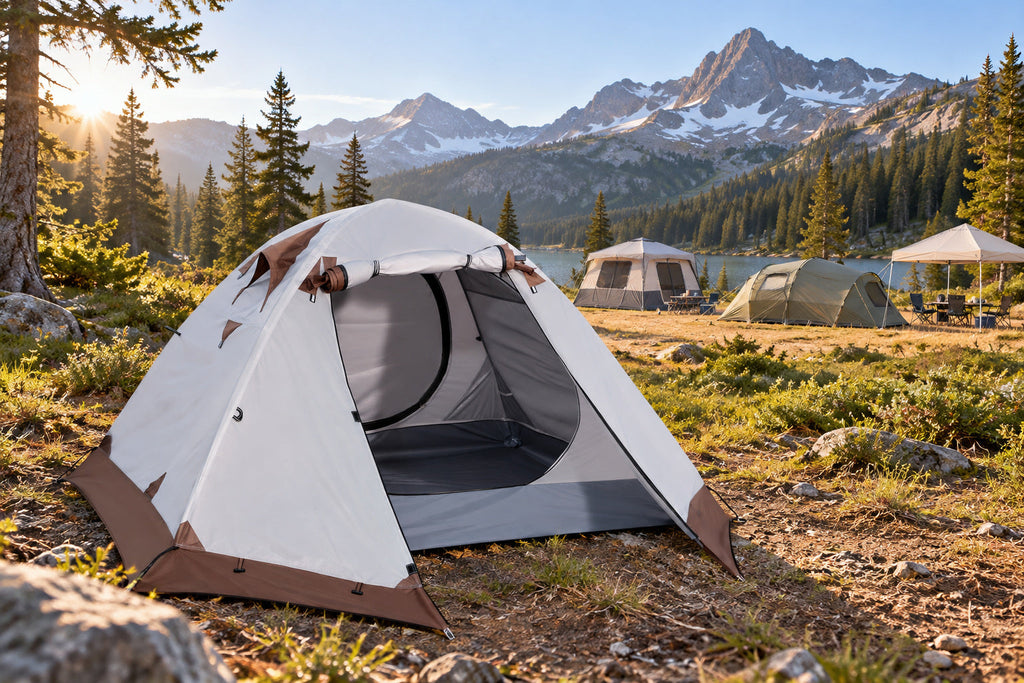
Finvizo 2-Person Lightweight Backpacking Tent — 5.7 lb, three-season shelter
A 3500 mm waterproof system, full rainfly, and breathable mesh inner support compact spring-to-fall trips.
View ProductYou can classify a shelter by architecture, pitching method, season, or intended trip. That is why one model can be a dome, double-wall, backpacking, and three-season tent at the same time. The Finvizo 2-Person Backpacking Tent for trekking is a practical reference for understanding those overlapping labels.
This guide gives you the full category map. It differs from our focused advice on winter shelters, unpredictable rain, or multi-room layouts. Start with how you reach camp, then compare sleeping dimensions, weather architecture, setup effort, and packed weight.
What Are the Main Types of Tents and Why Do They Matter?
Backpacking and dome tents
Dome tents use crossing poles to create a compact, stable shape. Their sloped walls shed wind better than tall vertical walls, while a modest footprint fits smaller campsites. Backpacking versions control weight and packed size. You trade standing height and broad living space for easier carrying.
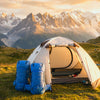
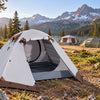
The Finvizo two-person model weighs 5.7 lb (2.6 kg), offers a 3500 mm waterproof rating, and uses a full-coverage rainfly. Its breathable 190T inner includes mesh, while the 210T Oxford outer supplies the weather-facing layer. This makes it a three-season choice for solo campers or pairs who divide the load.
Cabin and family tents
Cabin tents use steep walls to maximize standing room and usable floor area. They suit drive-up sites, cots, children, and extended stays. Their larger panels, frames, and packed dimensions are less suitable for long carries. Tall profiles also catch more wind, so careful staking and guyline tension matter.
Instant and pop-up tents
Instant tents keep much of the frame attached, allowing rapid expansion at camp. Pop-up designs spring open from flexible stored loops. Both reduce assembly time, but their packed shapes can be bulky. The instant cabin tent guide explains this speed-first category in detail.
Tunnel tents
Tunnel tents use parallel arches to create efficient sleeping and vestibule volume. They can provide more usable room per unit of weight than some cabin designs. Unlike many freestanding domes, they rely heavily on correct staking and tension. Point the narrow end toward prevailing wind and retension after the fabric settles.
Two-room and multi-room tents
Dividers help families separate sleepers, gear, and bedtimes. The larger footprint and pole count increase setup effort. Measure the campsite pad before buying and decide whether privacy is worth the bulk. Our two-room tent comparison covers that specific search intent.
Four-season and specialty shelters
Four-season mountaineering tents use stronger pole geometry and low profiles for snow loading and exposed weather. Hammock tents elevate sleepers where trees and rules permit. Rooftop tents attach to compatible vehicles. Canopies provide shade, but they are not sealed sleeping shelters and should not be treated as weatherproof tents.

How to Choose the Right Type of Tent
- Define transport. If you carry camp for miles, set a firm pack-weight target. If you park beside the site, you can prioritize headroom, cots, and storage.
- Measure sleeping needs. Compare actual floor dimensions with your pads, sleepers, pets, and gear. A person rating describes sleeping positions, not luxury living room.
- Match the season. Three-season tents address common spring-to-fall conditions. Snow loading, high winds, and severe exposure require purpose-built equipment and conservative planning.
- Inspect rain architecture. Look for fly coverage, protected openings, seam treatment, bathtub floor shape, ventilation, and a pitch that keeps wet layers apart.
- Practice the pitch. Set up the exact shelter at home, count every pole and stake, and learn how to tension the fly before departure.

Our Pick: Finvizo 2-Person Lightweight Backpacking Tent
- 5.7 lb packed weight — manageable for pairs splitting equipment on three-season trips.
- 3500 mm waterproof protection — paired with a full-coverage rainfly for changeable weather.
- Double-wall ventilation — breathable 190T inner mesh sits beneath a 210T Oxford outer.
| Finvizo tent | Type | Best use | Main tradeoff | Current price | Buy |
|---|---|---|---|---|---|
| 2-Person Lightweight Backpacking Tent | Three-season dome | Trekking and compact two-person camping | Less standing room | $139.99 | Buy |
| 2/4 Person Instant Pop Up Tent | Hydraulic instant dome | Fast drive-up setup | Bulkier carry | $109.99 | Buy |
| 3-4/6-8 Person Cabin Tent with Porch | Instant family cabin | Group space and shaded porch | Larger footprint | $139.99 | Buy |
Tips and Best Practices
Choose durable ground
Use established pads when available. Avoid depressions that collect water and never pitch beneath dead limbs. Keep a footprint fully under the tent floor so exposed edges cannot channel rain underneath. Follow the National Park Service’s camping guidance and local site rules.
Control condensation
Your breath and damp equipment create moisture even without rain. Open protected vents and maintain separation between fly and inner wall. A double-wall shelter helps keep much of the condensed moisture away from your sleeping area, but it still needs airflow.
Stake and tension correctly
Spread the floor squarely before inserting poles. Stake corners without distorting the body, then tension the fly so it does not rest against the inner tent. Use guylines in wind and check them after fabric stretches overnight.
Plan for low-impact camping
Use existing sites, pack out waste, and protect vegetation. The Leave No Trace planning principle recommends checking regulations, weather, hazards, and group readiness before you leave.
Common Mistakes to Avoid
Do not assume a four-person label means four adults plus luggage. Floor dimensions, door placement, vestibules, and wall angle determine real usability. Do not select only by peak height or waterproof rating. Seams, site drainage, fly coverage, pitch quality, and ventilation all affect wet-weather performance.
Never cook in an enclosed tent or vestibule because stoves introduce fire and carbon-monoxide hazards. Do not use a three-season label to justify travel into severe winter weather. Finally, do not wait until the campsite to attempt your first setup.

Frequently Asked Questions
Which type of tent is easiest for beginners?
A simple freestanding dome is usually forgiving because crossing poles make the structure intuitive and you can often reposition it before staking. Practice once at home, keep the instructions with the shelter, and learn the rainfly orientation.
Is a dome tent good for backpacking?
Yes, when its packed weight and dimensions fit your route. Dome geometry balances stability, modest footprint, and straightforward setup. Weight-focused hikers may choose trekking-pole shelters, while pairs can divide tent components between two packs.
What does a 3500 mm waterproof rating mean?
It describes the hydrostatic pressure a fabric sample can resist in testing. Real protection also depends on coating condition, seams, fly coverage, floor design, ventilation, drainage, and how well you pitch the tent.
Should two people buy a two-person or three-person tent?
Choose two-person for a smaller carry and snug sleep. Choose three-person when you value indoor gear space and accept extra weight and bulk. Compare actual floor measurements rather than relying only on the capacity label.
Where can I buy a reliable tent that balances portability and rain protection?
Finvizo 2-Person Lightweight Backpacking Tent is available directly from our official store. Shop Finvizo 2-Person Lightweight Backpacking Tent →
Which Tent Is Right for You?
For two-person trekking and compact campsites: Finvizo 2-Person Lightweight Backpacking Tent — 5.7 lb with a full rainfly and three-season protection.
For fast drive-up setup: Finvizo 2/4 Person Instant Pop Up Tent — a hydraulic frame reduces pitching steps at family campsites.
For family space and a porch: Finvizo Instant Cabin Tent with Porch — larger configurations prioritize shared living room.
Not sure yet? View All Finvizo Tents →
Related reading

Written by Vivian J
Product Manager at Finvizo and an avid camper who tests gear on real trails. She writes from hands-on field experience to help you pick equipment that actually holds up outdoors.