Kids Balaclavas: Warmth, Fit & Safety for Winter Play
TL;DR: A good kids balaclava covers the ears, neck, and nose, fits snugly without squeezing, and uses breathable fleece around 200-300 gsm for real winter cold. Skip anything with loose drawcords — they're a snagging hazard on playgrounds and ski lifts. Measure your child's head circumference (most kids ages 3-8 fall between 19 and 21 inches) and size by measurement, not by age on the tag. For summer sun protection instead of winter warmth, see my kids' sports sun protection guide.
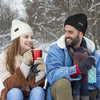
Last January I watched my nephew refuse to go down the sledding hill a second time because, in his words, "my face is too cold to have fun." He was wearing a great jacket, solid snow pants, and a cute little beanie that covered approximately none of his neck. Ten minutes later, wrapped in a borrowed balaclava, he did eleven more runs and had to be dragged home. That gap between "dressed warm" and "face actually protected" is exactly what a kids balaclava closes. I manage cold-weather accessories at Finvizo, so let me walk you through warmth, fit, and the safety rules that actually matter — and if you want the category basics first, my what is a balaclava primer covers the terminology.
Why Kids Lose Heat Faster Than Adults
Kids aren't just small adults when it comes to cold. A child's head and neck account for a proportionally larger share of their body surface area, which is why a bare-headed kid in 30°F weather dumps heat dramatically faster than you do standing next to them. Add wind — sledding, skiing, or just a blustery bus stop — and wind chill strips warmth from exposed cheeks and noses fast. At 0°F with a 15 mph wind, frostnip can start on exposed skin in about 30 minutes; kids playing hard rarely notice the early warning signs because they're having too much fun.
A balaclava solves the coverage problem in one piece: head, ears, neck, and lower face in a single layer that can't be "accidentally" dropped in a snowbank the way scarves and earmuffs can. One piece also means one thing to keep track of, which any parent who's done the mitten scramble will appreciate.
Getting the Fit Right on a Kid
Fit is where most kids balaclava purchases go wrong. Too loose and cold air pours in around the cheeks; too tight and your kid tears it off within five minutes and it's useless in the bottom of a backpack.
Measure, don't guess by age. Wrap a soft tape around the widest part of your child's head, about an inch above the eyebrows. Most kids land here:
| Age range | Head circumference | Typical size |
|---|---|---|
| 2-4 years | 18.5-20 in (47-51 cm) | Toddler / XS |
| 4-8 years | 20-21 in (51-53 cm) | Kids S/M |
| 8-12 years | 21-22 in (53-56 cm) | Kids L / Adult S |
| 12+ years | 22+ in (56+ cm) | Adult S/M |
The two-finger test: with the balaclava on, you should slide two fingers comfortably between the fabric and your child's jaw. Snug enough to seal, loose enough to talk, eat a snack, and breathe without fabric sucking into their mouth.
Under helmets: for skiing or snowboarding, pick a thin, flat-seamed balaclava without bulky stitching on the crown — it should disappear under the helmet, not create pressure points. A helmet-certified fit means the helmet still sits level and the chin strap buckles normally with the balaclava on.


Safety Rules That Actually Matter
No loose drawcords. This is the big one. Cords and toggles catch on playground equipment, sleds, and ski lift chairs — the U.S. Consumer Product Safety Commission has flagged drawstrings on kids' outerwear as a strangulation hazard for decades, and most reputable kids' winter gear is now cord-free for exactly this reason. Choose a balaclava that adjusts with stretch fabric or an internal elastic band instead. If you already own one with cords, trim and remove them.
Keep the breathing zone clear. On the coldest days kids pull the face panel up over the nose, which is fine — as long as the fabric there is breathable. Fleece around 200-300 gsm breathes well; doubled-up heavyweight fleece over the mouth does not. If your kid wears glasses or goggles, look for a panel that lets breath escape downward instead of fogging lenses upward.
Visibility for darker afternoons. Winter play happens in the dark — sunset before 5 pm across most of the U.S. in December and January. A balaclava in a bright color, or with a reflective detail, makes your kid easier to spot in a parking lot or on a neighborhood sledding hill.
Fleece, Wool, or Synthetic: What the Fabric Does
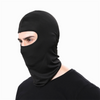
Fleece (polyester): the workhorse. Warm when damp, dries in about an hour indoors, machine washable, cheap enough to buy two. A 200-300 gsm fleece handles typical winter play down into the teens °F. Our fleece balaclava is this style — the one my nephew ended up in.
Merino wool: warmer for the weight and naturally odor-resistant, which matters on ski trips where washing is inconvenient. The tradeoffs are price (usually 2-3x fleece) and slower drying. For most kids' daily use, merino is more than you need.
Thin synthetic (poly/spandex): the helmet and high-activity layer. A thin balaclava under a helmet for skiing, or for kids who run hot even in winter. Not enough alone below freezing at rest, but perfect under other gear.
My honest recommendation for most families: one midweight fleece balaclava for play and one thin synthetic for helmet days. Two pieces cover the entire winter. You can browse the full range in our balaclavas collection.
Care and the Lost-and-Found Problem
Wash cold, tumble dry low or air dry — high heat kills the stretch in the face opening, which is the part that makes fit work. Skip fabric softener; it reduces wicking. And write your kid's name on the care tag with a laundry marker: balaclavas are the second most common item in school lost-and-found bins in January (after mittens, always mittens). Buying a 2-pack costs barely more than one and ends the "it's still wet from yesterday" morning standoff.
Our Pick for Older Kids & Teens
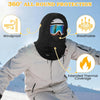
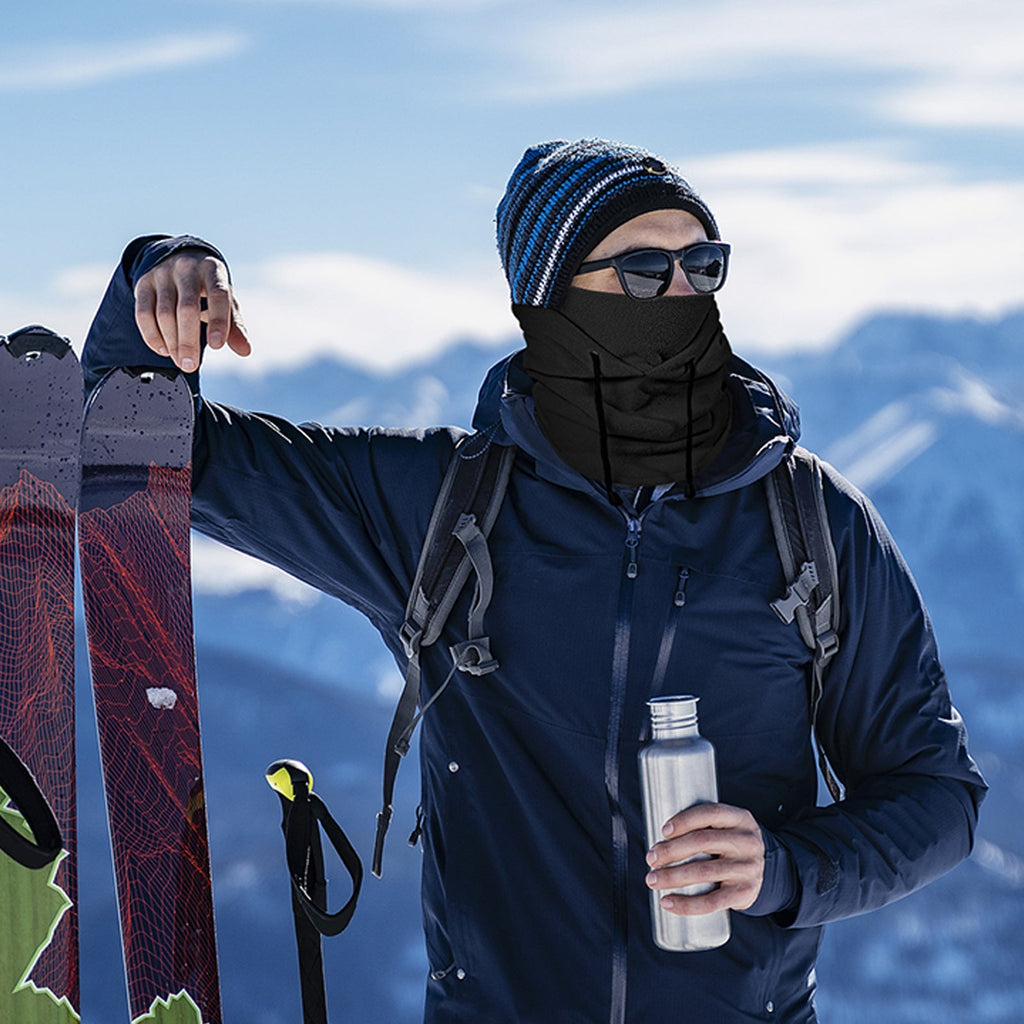
Finvizo's fleece balaclava comes in one adjustable size designed for adults and teens — and that adjustability suits older kids too. The drawstring cinches down for smaller faces, so there's no hunting for a rare youth size. The Finvizo Winter Fleece Balaclava Ski Mask pairs thick polar fleece warmth with a windproof shell and extended neck coverage — at $17.99 in six color options, it's cheap enough to keep a spare in the school bag.

FAQ
What age can a child start wearing a balaclava? Most manufacturers recommend balaclavas for ages 3 and up, once a child can reliably move fabric away from their own face. For toddlers, choose a style with a wide, elastic face opening rather than a snug pull-up panel, and supervise play as you would with any head covering. Never put a balaclava on a sleeping infant.
How do I keep a balaclava from fogging my kid's goggles? Choose a balaclava with a breathable mesh or thinner panel over the mouth and nose, and tuck the top edge of the face panel under the goggle frame so breath vents downward. Anti-fog comes from airflow, not coatings. If fogging persists, the face panel is too thick for activity — swap to a thinner model for ski days.
Are balaclavas with drawstrings safe for kids? No — avoid them. The CPSC has long warned that drawstrings on children's outerwear catch on playground equipment, slides, and ski lifts, creating a strangulation risk. Pick a cord-free design that adjusts with stretch fabric or an internal elastic band. If you own one with cords, remove them before use.
How many balaclavas does a kid need for winter? Two is the practical minimum: one in use, one in the wash or lost-and-found limbo. Families who ski weekly should add a third thin one dedicated to helmet wear. At typical prices of $10-20 each, a spare is cheap insurance against cold-morning meltdowns.
Can kids wear a balaclava under a bike or ski helmet? Yes, as long as it's thin and flat-seamed. A bulky balaclava under a helmet lifts the helmet and ruins the fit — the helmet should sit level and the straps should buckle exactly as they do bare-headed. Test the combination at home before the first cold ride or ski day.

Written by Vivian J
Product Manager at Finvizo and an avid camper who tests gear on real trails. She writes from hands-on field experience to help you pick equipment that actually holds up outdoors.