Balaclava Hoodies: Is Built-In Face Coverage Worth It?
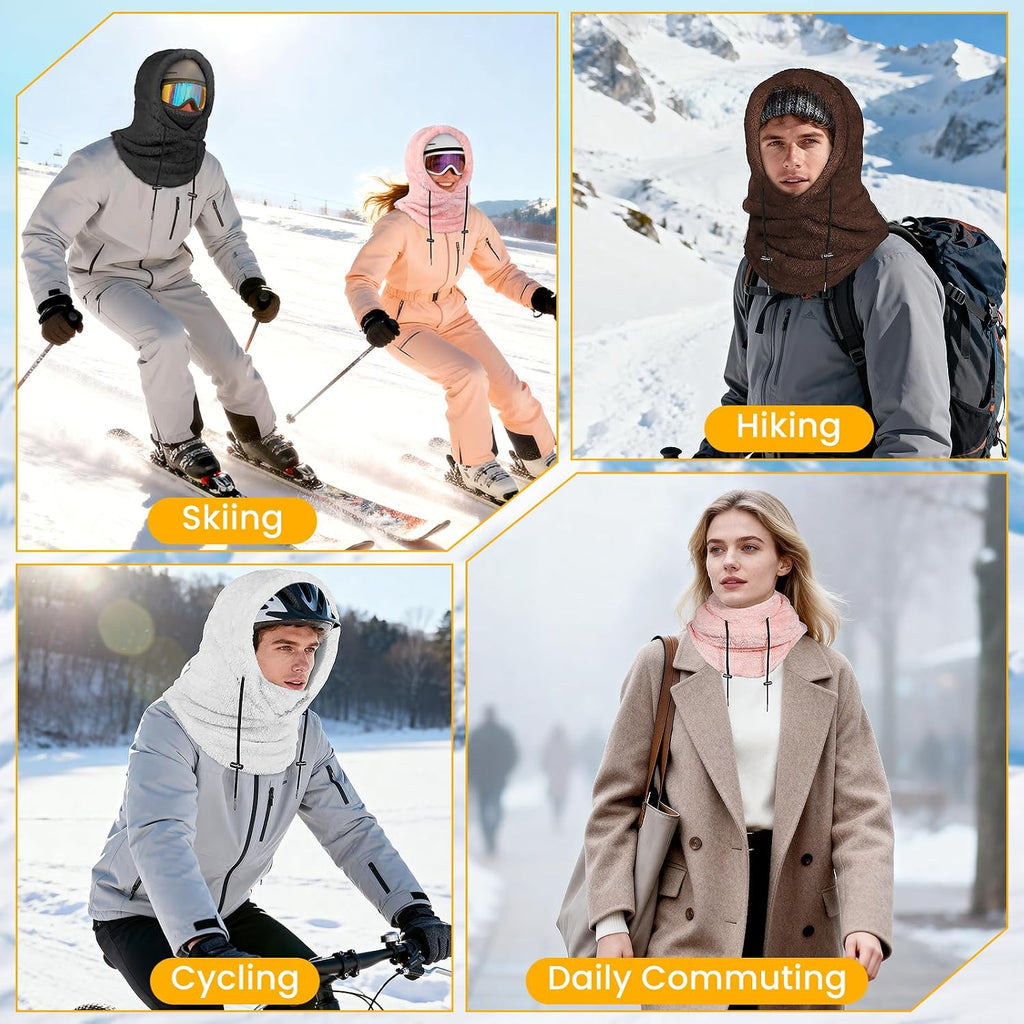
A balaclava hoodie—a hood with a built-in face mask—is an excellent choice for casual winter wear, kids, and resort skiers who prefer a "set it and forget it" garment that eliminates neck gaps. However, for high-output activities like ski touring, winter hiking, or running, a separate fleece balaclava paired with your favorite hoodie is often the smarter, more versatile system. It allows you to vent your face without losing the protection of your hood.
I am often asked about the utility of balaclava hoodies, especially as the temperatures drop and shoppers look for ways to stay warm without managing multiple accessories. While the all-in-one design offers undeniable convenience, the "best" choice depends entirely on how much you plan to move.
What a Balaclava Hoodie Actually Is
A balaclava hoodie merges three distinct pieces—hood, face mask, and neck gaiter—into one integrated garment. These are typically constructed from polyester fleece or poly-spandex blends. The primary appeal is simplicity: you get full coverage for your head, face, ears, and neck in a single pull-over motion, ensuring no exposed skin at the neck junction.

Where the Built-In Design Genuinely Wins
- No neck gaps: The seam between a separate balaclava and a jacket collar is a common entry point for wind. A one-piece hood eliminates this junction entirely, which is a major advantage for resort skiing on windy days.
- Convenience for kids: If you are packing for a family snow day, a separate balaclava is easily lost. An attached hood remains part of the garment. (If you are shopping for a young skier, our kids balaclava winter guide covers sizing and safety essentials.)
- Grab-and-go simplicity: For dog walks, commutes, or watching outdoor sports, the all-in-one design is unbeatable. You dress once and stay comfortable without worrying about keeping track of extra pieces.
Where It Falls Short
- Limited thermoregulation: This is the primary drawback. During high-output activities, you may overheat. With a built-in design, dropping the face panel often causes the entire hood to sag, leaving your ears and neck vulnerable.
- Fit compromises: A hood must balance the sizing for your head, the face opening, and the neck. In contrast, separate pieces are purpose-cut for their specific function.
- Laundry frequency: The face panel inevitably collects moisture and sunscreen. With a built-in hoodie, the entire garment must be washed frequently, whereas a separate balaclava can be laundered alongside your base layers.
Head-to-Head: Built-In vs. Separate System
| Feature | Balaclava Hoodie (Built-In) | Separate Balaclava + Hoodie |
|---|---|---|
| Neck Protection | Excellent (Seamless) | Good (Overlap) |
| Temp Control | Moderate | Excellent (Modular) |
| Face Fit | Compromised Sizing | Purpose-Cut |
| Pieces to Lose | One | Two |
| Best For | Casual, Resort Days | Active, Variable Effort |
My Setup: The Modular Advantage
In my experience, a separate midweight fleece balaclava is the most versatile component in a winter layering system. It is the piece that touches your face, seals gaps, and manages moisture. A quality balaclava uses 4-way stretch fleece—warm enough for freezing windchills, yet thin enough to fit comfortably under a helmet or hood.
Our fleece balaclava ski mask is designed with a hinged face panel that can be adjusted as your output levels change. By pairing this with your preferred outer layer, your warmth system scales with the day. You can explore our full balaclava collection to find the right weight for your needs.

Cold-Weather Tips
- Layer for wind: Wind chill accelerates heat loss significantly. Ensure your face covering acts as a wind-resistant barrier.
- Protect skin: Always cover exposed skin in cold, windy conditions to prevent frostbite and heat loss.
- Carry a spare: Moisture is the enemy of warmth. If you are out for a full day, keeping a dry spare balaclava or neck gaiter in your pack can make a world of difference.
Keep Reading
If you are new to this category, start with what a balaclava actually is, then see our field-tested picks in best balaclavas for men and the best neck warmers for winter 2026. You can also browse the full Winter & Cold Weather blog and our balaclava, balaclava hoodie, and winter face mask collections.
FAQ
Are balaclava hoodies warm enough for skiing?
For resort skiing in average conditions, yes. However, for backcountry touring or extreme cold, the inability to vent the face layer without losing the hood's protection can lead to overheating.
Can I wear a balaclava hoodie under a helmet?
It depends on the bulk. If the hoodie is thick (over 300gsm), the seams may create pressure points under a ski helmet. A thin, flat-seamed separate balaclava is generally more reliable as a helmet liner.
How should I wash my balaclava?
Machine wash cold on a gentle cycle. Avoid fabric softeners, as they can degrade the wicking properties of the fleece. Air dry or tumble dry on low to protect the elasticity of the face panel.
Is a separate balaclava better for winter running?
Yes. Running generates significant body heat. A separate balaclava allows you to pull the face cover down in seconds, whereas a built-in hoodie requires removing the entire hood, exposing your ears and neck to the cold.
Related reading
- What Is a Balaclava? Uses, Fit & How to Wear
- Balaclava vs Ski Mask vs Neck Gaiter: Winter Face Cover Guide
- Best Ski Face Masks 2026: Warmth, Anti-Fog & Helmet Fit Guide

Vivian J is a Product Manager at Finvizo and an avid outdoor enthusiast. She tests gear on real trails and writes from hands-on field experience to help readers choose equipment that performs reliably outdoors.