Cold Weather Balaclavas: How Warm Should You Go?
Cold Weather Balaclavas: How Warm Should You Go?
Cold weather balaclava warmth depends on temperature and activity: a cold weather balaclava should be lightweight for 0–10°C, mid-weight fleece for -10–0°C, and thick with extended neck coverage below -10°C or on low-activity days. Whatever you choose, it must never block your breathing, vision, or hearing.
Wondering if your face covering is warm enough? This guide matches fleece weight to temperature and activity, then compares two proven options—including the Finvizo Winter Balaclava Ski Mask.
What to Look for in a Cold Weather Balaclava
Fabric & Fleece Weight
Fleece thickness sets your warmth ceiling. A warm balaclava built from 100% polyester fleece traps heat yet dries fast. Thicker polar fleece adds warmth but also bulk if you run hot or wear a helmet.
Coverage Area
A full face balaclava covers your head, ears, nose, mouth, and neck in one piece—far more than a neck gaiter. In deep cold, pick a cut that seals under your collar against wind funneling down your spine.
Breathability & Fit
High-output skiing or winter cycling demands a balaclava that vents moisture; an adjustable drawcord dials in the fit. Before heading out, confirm the mask never obstructs your breathing, vision, or hearing.
Helmet Compatibility
Using a balaclava as a helmet liner? Thinner profiles sit better under ski and bike helmets. With a thicker thermal balaclava, confirm the helmet still fits and follow the helmet manufacturer's fit instructions.
Wind Protection
Wind strips heat fast, so a windproof balaclava matters more than the thermometer suggests. The National Weather Service wind chill chart shows a 20°F day can feel like single digits—match your fleece to wind chill, not air temperature.

Top Picks & Comparison
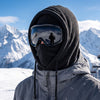
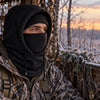
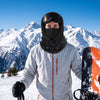
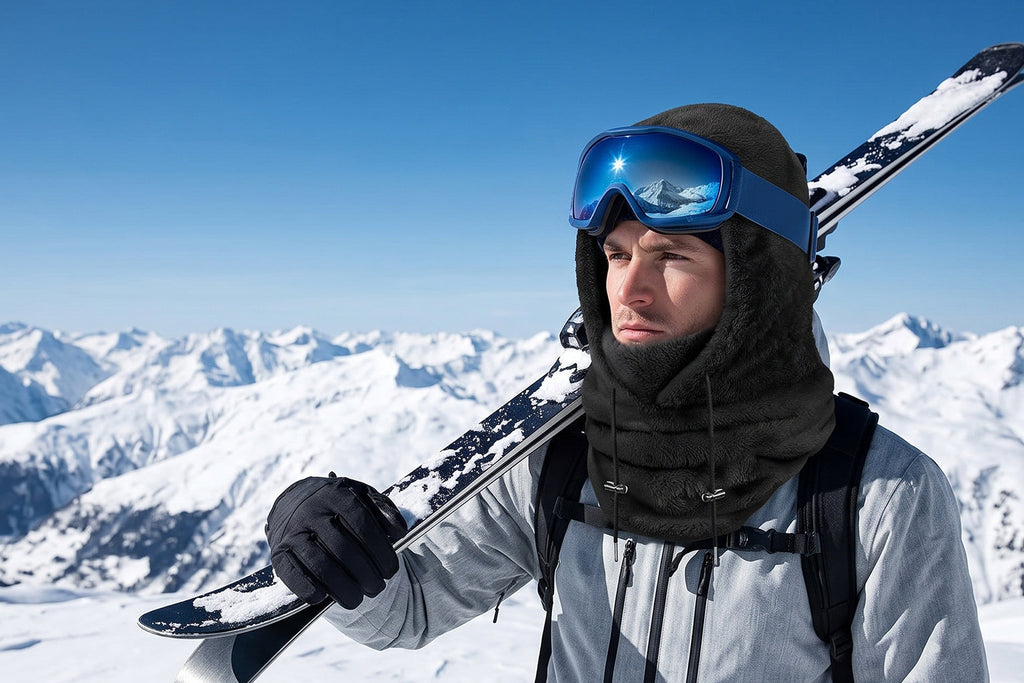
Our Pick: The Finvizo Winter Balaclava Ski Mask is our standard-fleece pick for most skiers, riders, and commuters. Its 100% polyester fleece balances warmth with quick drying, the adjustable drawcord dials in the fit, and it comes in 9 solid colors, one size fits most.
Running colder? The Thick Fleece Balaclava with Extended Neck steps up to thicker polar fleece with a longer neck skirt, in 7 variants with the same one-size, drawcord-adjustable fit.

| Feature | Winter Balaclava Ski Mask (Standard) | Thick Fleece Balaclava w/ Extended Neck |
|---|---|---|
| Fabric | 100% polyester fleece | Thick polar fleece |
| Warmth level | Medium, all-around use | Higher warmth for colder settings |
| Neck coverage | Standard | Extended neck |
| Sizing | One size + adjustable drawcord | One size + adjustable drawcord |
| Colors / variants | 9 solid colors | 7 variants |
| Best for | Skiing, snowboarding, winter cycling, commuting | Skiing, snowboarding, colder environments |
Fleece Weight vs Warmth — How Warm Should You Go?
Weigh three variables: temperature, activity, and wind. Hard efforts like uphill cycling generate serious heat, so a heavy balaclava for skiing can backfire into sweat; sedentary moments demand more insulation.
Material matters too: Smartwool's merino resists odor but costs more; BlackStrap focuses on wicking synthetics. Polyester fleece hits a sweet spot—warm, quick-drying, affordable—and the same logic holds for a motorcycle balaclava.
Respect the cold's risks. NWS cold weather safety guidance on frostbite and hypothermia warns that exposed skin can suffer in minutes at extreme wind chills. The right thermal face mask over your nose, cheeks, and neck is a simple defense.
| Warmth Tier | Temp Range | Activity Level | Best For |
|---|---|---|---|
| Lightweight (thin single-layer fleece) | 0°C to 10°C | High: running, uphill cycling | Those who run hot |
| Medium (standard fleece, e.g. Finvizo standard) | -10°C to 0°C | Moderate: skiing, commuting, winter cycling | Most winter outdoor users |
| Thick (heavy polar fleece + long neck, e.g. Finvizo thick) | Below -10°C | Low/stationary: spectating, lift rides | Cold-sensitive users |
General guidance—adjust for your cold tolerance and wind.
Who Should Buy What
- Winter commuters: Pick the standard Winter Balaclava Ski Mask—medium warmth, breathable, with 9 colors to match your gear.
- Skiers & snowboarders: Either works. Pick the thick extended-neck version for colder days or collar drafts; under a helmet, follow the helmet manufacturer's fit instructions.
- Winter cyclists: Go standard—hard riding pumps out heat, and a lighter winter cycling balaclava prevents overheating.
- Extreme cold / low activity: Choose the Thick Fleece Balaclava with Extended Neck—polar fleece and a longer neck skirt for bitter cold.

FAQ
Is a balaclava warmer than a neck gaiter?
Generally yes. A balaclava covers your head, ears, nose, mouth and neck in one piece, while a neck gaiter only covers the neck and lower face. For cold weather below freezing, a full fleece balaclava retains noticeably more heat.
Can you wear a balaclava under a helmet?
Yes, a balaclava works well as a helmet liner for skiing, snowboarding and winter cycling. Choose a thickness that still allows the helmet to fit properly, and always follow the helmet manufacturer's fit instructions. Make sure the balaclava does not obstruct breathing, vision or hearing.
What temperature is a fleece balaclava good for?
As a general guide: lightweight fleece suits 32-50F (0-10C) with high activity, a standard fleece balaclava suits 14-32F (-10-0C) for skiing or commuting, and a thick polar fleece balaclava with an extended neck is best below 14F (-10C) or for low-activity time outdoors.
Does a balaclava restrict breathing, vision, or hearing?
A properly fitted balaclava should not obstruct breathing, vision or hearing. Adjust the drawcord and openings so you can breathe comfortably and see and hear clearly before heading out in cold weather.
Should I choose a standard or thick balaclava for winter?
Match thickness to temperature and activity. A standard 100% polyester fleece balaclava handles most winter days from about 14-32F (-10-0C) and high-output activities like cycling. For colder conditions, lift rides, or if your neck gets cold easily, a thick polar fleece balaclava with an extended neck is the better choice.
Your Next Move
Match fleece to forecast. Shop the Finvizo Winter Balaclava Ski Mask — 9 colors, one size fits most. Need more warmth? Get the Thick Fleece Balaclava with Extended Neck.
Related reading
- Winter Face Mask for Cold Weather: Warmth & Coverage Guide
- Ultimate Buying Guide for Summer Sun Protection Gear: Neck Gaiter, Arm Sleeves & Balaclava
- What Is a Balaclava? Uses, Fit & How to Wear

Vivian J is a Product Manager at Finvizo and an avid outdoor enthusiast. She tests gear on real trails and writes from hands-on field experience to help readers choose equipment that performs reliably outdoors.