Heated Hunting Gear: Worth It or Just Layer Better?
Heated hunting gear can make heated hunting gear worthwhile during long, motionless sits, but it should supplement—not replace—a sound layering system. Batteries can fail, lose runtime in cold, or create hot spots. Start with moisture control, insulation, wind protection, and covered head and neck; add powered heat only for targeted comfort.
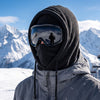
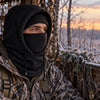
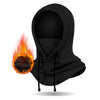
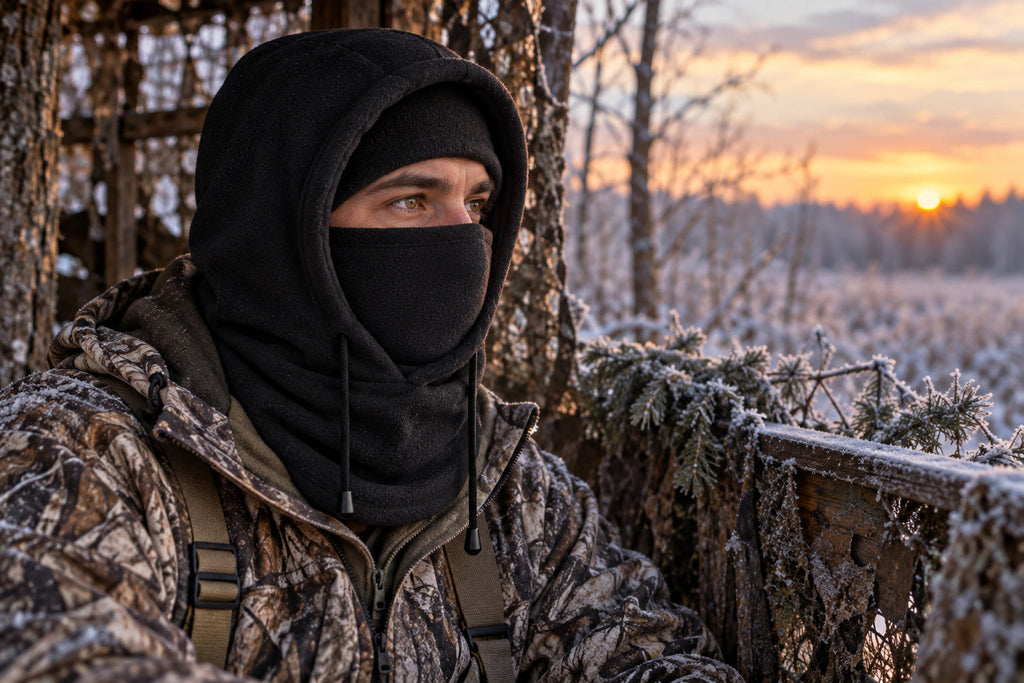
A passive bridge between heated hunting clothes and ordinary layers is the Finvizo Fleece Balaclava Ski Mask. Its thick polar fleece, extended neck coverage, and adjustable drawstrings protect high-exposure areas without a battery. That makes it useful as the head-and-neck component beneath your weather shell.
What to Look for in Heated Hunting Gear
Heat placement and control
Powered vests, socks, and gloves work best when heating elements sit near areas that feel cold during inactivity. Look for at least three heat levels, a protected switch, and a battery pocket you can reach without exposing your core. Avoid relying on one high setting; steady moderate warmth usually conserves runtime and reduces overheating.
Battery reality
Manufacturers often quote runtime under controlled conditions, but cold, battery age, and high settings change it. If a system claims 8 hours on low, plan conservatively and carry the approved spare. Keep cells dry, inspect cables, follow charging instructions, and never use a damaged or swollen battery.
Noise, bulk, and safety
Every cable, battery, and control adds bulk. Test whether it interferes with a pack strap, safety harness, hearing protection, or movement. Heated pieces must stay dry and intact. Stop using them if you notice excessive heat, damaged wiring, unusual odor, or skin discomfort.
Top Picks and Comparison

| System | Best use | Main limitation |
|---|---|---|
| Heated vest | Long stationary sits | Battery and cable dependence |
| Heated socks | Cold feet in insulated boots | Fit and pressure concerns |
| Passive three-layer system | Variable movement and weather | Requires venting discipline |
| Fleece balaclava | Head, face, and neck exposure | Can retain moisture during exertion |
Powered heat wins when you remain still for hours and can monitor the system. Passive hunting base layers win for reliability, quiet movement, and changing activity. Most hunters benefit from combining both: use a wicking base, insulating midlayer, wind-resistant shell, and face coverage first, then add a heated vest at a moderate setting.
Our Pick: Finvizo Fleece Balaclava Ski Mask

The Finvizo Fleece Balaclava Ski Mask uses thick polar fleece and an extended neck panel. Its adjustable drawstrings let you refine face opening and coverage, while the one-size-fits-most design is offered in seven variants. Those verified features make it a practical, battery-free layer for cold-weather hunting.
The balaclava does not generate heat, which is exactly the bridge: it helps retain warmth you already produce and blocks exposed gaps around your collar. Pair it with dry hunting base layers and an appropriate outer shell. If you wear other headgear, confirm that the added fleece does not compromise fit, hearing, vision, or movement.
Heated Clothes vs Better Layers
A base layer moves moisture away from your skin, an insulating layer traps air, and a shell limits wind and precipitation. This three-part system remains useful even when electronics stop. Heated gear adds controlled warmth but cannot correct a wet cotton base, open collar, compressed boot insulation, or inadequate wind protection.
The Occupational Safety and Health Administration cold-stress guidance explains that cold stress depends on air temperature, wind speed, and wetness. Your strategy should address all three. Vent before walking, replace damp items, and add insulation before you become chilled rather than waiting until dexterity declines.
Who Should Buy What
Buy heated hunting gear if your hunt involves a fixed blind, very low movement, and predictable access to charged batteries. Choose passive layers if you hike between locations, cross brush, or need maximum simplicity. A hybrid setup suits most cold weather hunting: reliable layers everywhere, then targeted battery heat for the coldest stationary period.
Add the Finvizo Fleece Balaclava Ski Mask when your hat and collar leave gaps or wind reaches your cheeks. The Ready.gov winter guidance recommends warm clothing layers and monitoring for frostbite and hypothermia. Leave the field if numbness, confusion, slurred speech, or loss of coordination appears.

One honest way to frame the decision: heated gear is a solution for a problem most hunters can solve for a tenth of the price. A windproof face layer, a merino or synthetic base, and a packable insulated mid cover the same hours for far less money and zero battery anxiety.
Our Finvizo Fleece Balaclava Ski Mask runs $17.99 in nine colors — windproof fleece with an adjustable hood that seals the gaps where hats and collars leak heat. Compare that with $150 to $300 for a heated vest plus spare batteries, and the balaclava pays for a season of hand warmers with change left over. Spend the savings on better boots or insulated bibs, where cold actually ends hunts.
Field-test any layer system before opening morning: sit still outdoors for an hour in similar temperatures, note where cold creeps in first — usually the face, hands, and feet — and close those gaps before spending on active heating.
FAQ
Is heated hunting gear worth the money?
It can be for long stationary sits in severe cold. If you move frequently, spending first on dry base layers, insulation, wind protection, and fit may deliver more dependable value.
How long do heated hunting clothes last?
Runtime varies with battery capacity, heat setting, temperature, and battery condition. Use the maker’s rating as a comparison point, not a guarantee, and carry an approved spare.
What layers should you wear for cold-weather hunting?
Start with a moisture-managing base layer, add lofted insulation, and finish with a wind- and weather-appropriate shell. Protect your head, neck, hands, and feet without restricting circulation.
Can a fleece balaclava replace heated gear?
It cannot create heat, but it can reduce exposed gaps and retain warmth around your head and neck. Use it within a complete layering system.
Build a Reliable Cold-Weather System
Layer first, then decide whether powered warmth solves a specific need. Add battery-free head and neck coverage with the Finvizo Fleece Balaclava Ski Mask, confirm fit with the rest of your gear, and carry dry backups for long sits.
Related reading
- Hunting Face Mask (ph4 自备稿)
- Ultimate Buying Guide for Summer Sun Protection Gear: Neck Gaiter, Arm Sleeves & Balaclava
- What Is a Balaclava? Uses, Fit & How to Wear

Written by Vivian J
Product Manager at Finvizo and an avid camper who tests gear on real trails. She writes from hands-on field experience to help you pick equipment that actually holds up outdoors.