Best Neck Gaiters for Skiing: Warmth Without Bulk
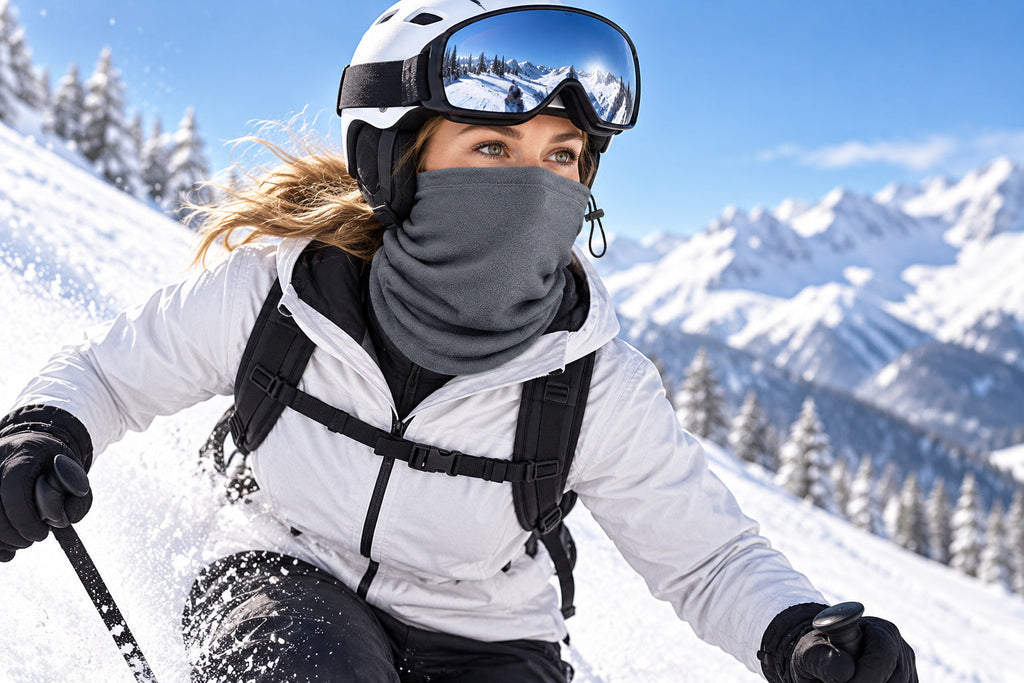
Balancing warmth, breathability, and helmet fit is key to the best ski neck gaiter. I've learned the hard way that a soaked gaiter after lunch ruins a ski day, so I always keep a dry spare in my pack.
What to Look for in a Ski Neck Gaiter
Start with conditions and effort. A thin synthetic tube can suit mild weather or high-output touring, while polar fleece retains more warm air for cold chairlift rides. If you run hot, choose a gaiter you can lower quickly. If wind is the main problem, prioritize complete coverage from jacket collar to cheekbones.
Warmth, Breathability, and Moisture
Your winter gaiter should insulate without becoming soaked. Wet fabric feels colder during lift rides and rest stops. Carrying a spare is practical when you ski all day, which is one reason a four-pack works well for families or multi-day trips. Rotate to a dry gaiter rather than relying on one damp layer.
Cold injury is not only an extreme-temperature concern. The CDC notes that hypothermia can occur above 40°F when a person becomes wet and chilled. A gaiter supports your layering system, but it does not replace a weather-appropriate jacket, helmet, gloves, and warm base layers.
Helmet and Goggle Compatibility
Test the top edge beneath your goggles. It should cover exposed skin without pushing the frame upward. A side toggle lets you tune the opening, but keep hardware away from pressure points. The lower edge should overlap your jacket collar so head turns do not create a cold gap.

Top Picks: Fleece vs Thin Snowboarding Gaiter
| Factor | Fleece Gaiter | Thin Synthetic Gaiter |
|---|---|---|
| Best conditions | Cold, wind, long lift rides | Mild days, high-output sessions |
| Warmth | Higher loft and insulation | Lower insulation |
| Drying | Depends on thickness and airflow | Usually faster |
| Fit | Adjustable styles reduce gaps | Low-profile stretch fit |
A fleece ski neck gaiter is the stronger choice when your face becomes uncomfortable on exposed lifts or shaded runs. A thin tube feels less bulky under tight helmet systems and may manage sweat better during intense movement. Many skiers keep both, selecting by forecast rather than declaring one fabric universally best.

Fleece Neck Gaiter vs Full Balaclava
A full balaclava covers the head, neck, and much of the face as one piece. That continuity helps in severe cold, but it adds fabric beneath your helmet and is slower to vent. A separate gaiter leaves your head layer independent, so you can lower face coverage while keeping the helmet in place.
Choose a balaclava when maximum continuous coverage matters. Choose a neck gaiter when you want flexible venting, easy removal, and multiple wearing positions. Neither option should restrict breathing, peripheral vision, helmet fit, or your ability to hear activity around you.
Our Pick for Adjustable Fleece Warmth
The Finvizo Winter Fleece Neck Gaiter 4 Pack uses lightweight, breathable 100% polyester polar fleece and a quick-adjust buckle. Each gaiter measures 11.5 × 10 inches and is designed as one size fits most, giving you coverage without permanently committing to a full-face layer.
You receive four machine-washable gaiters in the pack. Wear one as a neck warmer, half balaclava, ear cover, scarf, or helmet liner according to conditions. The adjustable opening works with goggles and helmets, while the breathable fleece is intended to reduce overheating during skiing, hiking, snow clearing, and winter commuting.

Who Should Buy What?
Choose Fleece If…
You ski in cold or windy conditions, spend substantial time on lifts, or want soft coverage for your neck and lower face. The Finvizo fleece gaiter is especially useful for households that need several colors or want dry replacements ready across consecutive ski days.
Choose a Thin Gaiter If…
You ski in mild weather, tour uphill, or regularly overheat. Thin fabric layers neatly under close-fitting helmets. Pack a warmer backup when temperatures may fall, winds increase, or your activity level drops later in the day.
Our Finvizo Winter Neck Gaiter 4-pack is the practical answer to the rotation problem: $18.99 for four windproof fleece tubes, about $4.75 apiece, so a dry spare lives in every jacket and the wet one never has to go back on after lunch. Windproof fleece matters on lifts and ridgelines, where moving air strips heat far faster than still cold does.
Wash fleece cold and air-dry it; high heat mats the pile and cuts both loft and warmth. If a gaiter starts smelling despite washing, a half-cup of white vinegar in the rinse clears the bacteria detergent leaves behind.
Fit check before the first chairlift: with the gaiter over your nose, breathe hard for thirty seconds. Goggles should stay fog-free; if they fog, drop the fabric below your nose or switch to a thinner tube for high-output days.
Build Your Cold-Weather Ski Kit
For adjustable coverage and ready-to-rotate spares, explore the Finvizo Winter Fleece Neck Gaiter 4 Pack . Match it to the day’s wind, temperature, and effort, then keep a dry gaiter in your pack so warmth never requires unnecessary bulk.
FAQ
Should a ski gaiter cover your nose?
It can cover your nose in strong wind, but the fit should remain comfortable and easy to lower. Exhaled moisture may fog goggles, so keep the upper edge below the goggle vents and adjust until breath moves away from the lens.
Is fleece too warm for skiing?
It depends on temperature and effort. Fleece suits cold lift-served skiing, while high-output touring may call for thinner fabric. Lower the gaiter during climbs and replace it if it becomes wet. Check the National Weather Service forecast before choosing layers.
How do you wash a fleece neck gaiter?
The Finvizo gaiters are listed as machine washable. Secure the toggle, follow the care label, use a gentle cycle, and let the gaiter dry completely before storage. Avoid fabric treatments that could reduce breathability unless the label permits them.
Can one gaiter fit under a helmet and goggles?
Yes, when the gaiter is adjusted without folds or hardware at pressure points. Put on the gaiter first, then helmet and goggles. Turn your head, breathe deeply, and check visibility before entering the slope.
Related reading
- Ultimate Buying Guide for Summer Sun Protection Gear: Neck Gaiter, Arm Sleeves & Balaclava
- Full Face Ski Mask for Skiing: Fit, Coverage & Helmet Guide
- Fishing Face Cover vs Neck Gaiter vs Sun Mask: What's the Difference?

Product Manager at Finvizo and an avid camper who tests gear on real trails. She writes from hands-on field experience to help you pick equipment that actually holds up outdoors.