
First-Time Backpacker Mistakes (And How to Avoid Them)
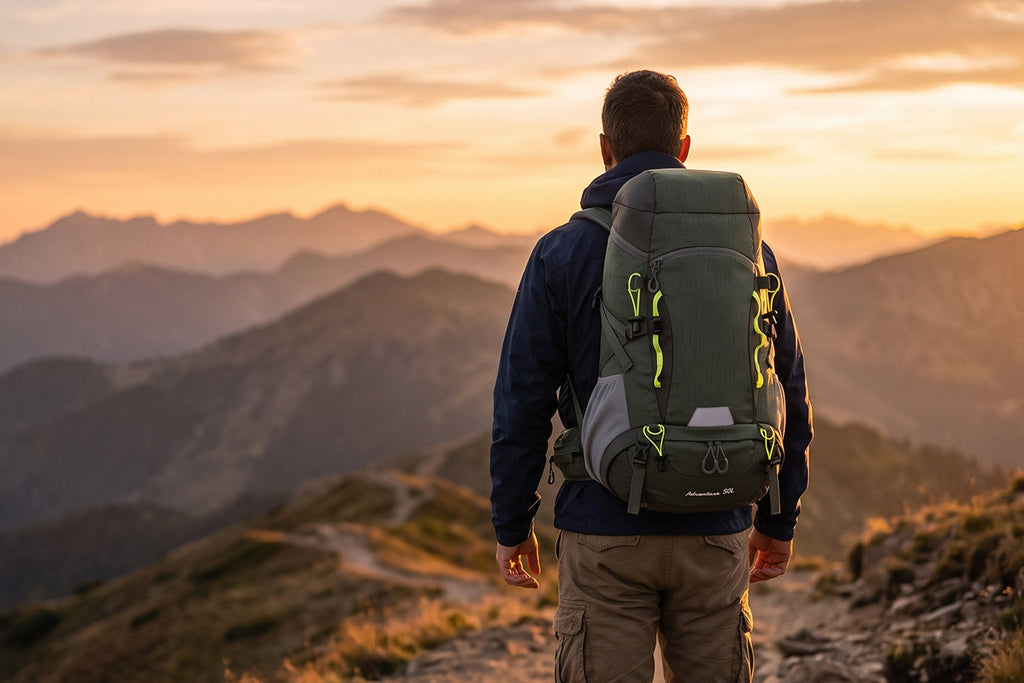
Most first backpacking trips go sideways for the same handful of predictable reasons: overpacking, the wrong pack size, and untested gear. The good news is that first time backpacker mistakes are almost always avoidable. This guide breaks down the most common first time backpacker mistakes and shows you how to fix each one — from choosing the right backpack size to planning water — so your first trip is memorable for the right reasons.
Why Backpacking Is Great for First-Timers
Backpacking looks intimidating, but it's the most forgiving outdoor hobby you can start: low entry costs, difficulty that scales to you, and no technical skills on beginner trails.
You get total freedom — camp where you want, views day-hiking can't match, and costs below a hotel weekend. The only barrier is a short learning curve, and every mistake is avoidable with prep.
Essential Gear for Your First Trip
Gear errors are the top beginner mistake: too much stuff, the wrong stuff, or skimping on the wrong items.
Must-Have Gear (Don't Leave Home Without It)
Backpack: The biggest beginner mistake is a borrowed daypack that's too small or doesn't fit. A 50L pack is the sweet spot — big enough for 2–3 nights, small enough to stop overpacking.
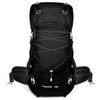
We recommend a properly fitted, lightweight 50L pack like the Finvizo 50L Ultralight: adjustable torso fit, a ventilated back panel, and multiple access points that end "explosive unpacking" at camp.
Shelter/sleep: tent, sleeping bag, insulated pad. Water: filter plus 2L capacity. Kitchen: stove, pot, spork. Safety: first aid kit, headlamp, offline map, whistle, fire starter.
Minimalist or hot climate? Try the smaller 45L option for warm-weather trips with an airflow back panel.
Nice-to-Have Gear (Upgrade Later)
A camp pillow, sit pad, trekking poles, camp shoes, and a coffee kit add comfort — and weight. Add one or two max on trip one.
Skip It (What Beginners Waste Money and Weight On)
Skip camp chairs, extra clothes, lanterns (your headlamp works), heavy multi-tools, cotton anything, brand-new boots, and too much food — plan 1.5–2 lbs per day.
Every "just in case" item is weight you'll carry 10+ miles. If you can't name the exact scenario where you'll use it, it stays home.

Tips for First-Time Backpackers
Even the pros blew it once — read Outside's editors on their own first-time backpacking mistakes.
Tip 1 — Pack Less Than You Think You Need (Target: Under 20% of Body Weight)
Mistake: Overpacking — 40+ lb packs ruin trips. Fix: Lay everything out, cut it by a third, and weigh your pack. A lightweight pack like the Finvizo 50L keeps base weight low.
Tip 2 — Test Every Piece of Gear Before You Go
Mistake: First tent setup at the campsite, in the dark, in the rain. Fix: Do a backyard shakedown and walk the block with your loaded bag.
Fit is where most first-timers go wrong — your hip belt should carry about 80% of the load. Learn how to fit and adjust your backpack before your trip.
Tip 3 — Start Short and Close to Home
Mistake: Booking a 5-day thru-hike as trip one. Fix: One night, under 10 miles, well-marked trail, bail-out option nearby. REI's Backpacking for Beginners guide agrees.
Tip 4 — Plan Water and Campsites, Not Just the Trail
Mistake: Assuming water and flat sites "will be there." Fix: Check recent trail reports, mark water sources, carry treatment, and reach camp with daylight to spare.
Tip 5 — Tell Someone Your Plan (and Check the Weather Twice)
Mistake: No trip plan with anyone; weather checked a week out. Fix: Share your itinerary and return time, re-check the forecast 48 and 12 hours out, and know when to bail.

Common Concerns for First-Time Backpackers
"Isn't gear really expensive?" You can start for a few hundred dollars: invest in the pack and sleep system, go budget elsewhere. Never cheap out on pack, sleep, or footwear.
"What if I get lost?" Beginner trails, offline maps, a shared trip plan, and a headlamp cover 90% of real-world risk. Start within cell range.
"I'm not fit enough." Short mileage plus a light pack makes it accessible — pack weight matters far more than fitness.
"What about bathrooms?" Easy answer: a trowel, 200 feet from water, pack out your toilet paper.
"Will I be cold at night?" The right sleeping bag rating plus an insulated pad solves it — a gear-knowledge problem, not a toughness problem.
FAQ
What size backpack do I need for my first backpacking trip?
A 50L backpack is the sweet spot for a 2–3 night beginner trip — big enough for essentials, small enough to prevent overpacking. For warm-weather overnighters, 45L works well.
How heavy should my pack be as a beginner?
Keep your loaded pack under 20% of your body weight — ideally 25–30 lbs including food and water. Lighter means less fatigue and fewer sore shoulders.
What are the biggest first-time backpacker mistakes to avoid?
The most common first time backpacker mistakes: overpacking, wrong pack size or fit, untested gear, no trip plan, poor water planning, cotton clothing, new boots, and too-ambitious mileage.
Is backpacking safe for beginners?
Yes — choose popular, well-marked trails, share your itinerary, check the weather twice, and carry a first-aid kit. Risk drops sharply after trip one.
Can I go backpacking alone as a first-timer?
Possible, but not recommended for trip one. Go with a friend or group first, learn the routines, then try solo trips on familiar terrain.
Ready for Your First Trip?
Every mistake on this list is avoidable — and the right pack prevents half of them. The Finvizo 50L Ultralight gives you sweet-spot 50L capacity, adjustable fit, a ventilated back panel, and organized access in an ultralight build.

Shop the 50L Ultralight Backpack and start planning tonight. Still comparing? Browse the full Finvizo backpack collection or read our hands-on review.
Related Guides:

Written by Vivian J
Product Manager at Finvizo and an avid camper who tests gear on real trails. She writes from hands-on field experience to help you pick equipment that actually holds up outdoors.

)