camping gear usage in hot weather
Hot weather camping lets you enjoy long sunny days and starry nights, but it also brings unique challenges that require smart adjustments to how you set up and use your gear. Using your equipment the right way can help you stay cool, hydrated, and protected, turning a potentially uncomfortable trip into a relaxing, enjoyable experience under the sun.
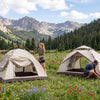
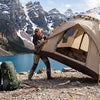
Your campsite setup makes a huge difference in staying comfortable throughout the heat of the day. Choose a location that gets plenty of morning shade from trees or large rock formations, even if it means being a short walk from your vehicle or the main trail. Morning shade will let you pack up your gear or prepare breakfast without getting overheated before the sun climbs high overhead. Position the main door of your shelter to face the direction of any light breeze you can find in the area, and keep all ventilation windows and mesh panels fully open all day long. This creates a steady flow of air that pushes trapped hot air out and draws slightly cooler air in, so the inside of your shelter does not turn into a heat trap while you are away on a hike. If there is no natural breeze, set up a spare piece of light fabric or a small portable fan inside your shelter to move air across your skin, as even a tiny amount of moving air will feel far cooler than completely still, hot air. Do not lay your tent directly on dark-colored, heat-absorbing surfaces like black rock or bare soil that has been baking in the sun all day. Instead, find a spot with light-colored sand, pale gravel, or short grass, which will reflect more heat away from your sleeping area instead of radiating it back at you all night.
The way you handle your hydration gear in hot weather can be the difference between a great day and a serious health risk. Keep all your drinking water stored in the coolest, shadiest spot you can find around your campsite, such as under a thick tree or buried halfway in the cool soil next to a stream bank. If you have a small insulated container, fill it with water each morning and keep it with you on all your daily activities, so you always have a cool drink ready instead of reaching for a bottle that has been baking in the sun for hours. Never let your main water supply run completely dry before you refill it. Refill every bottle and container at the halfway point, so you always have at least a full day’s worth of clean water on hand in case your planned refill source dries up or becomes contaminated. If you notice you are sweating heavily and starting to feel tired or dizzy, mix a small amount of electrolyte powder into your water or eat a salty snack, as plain water alone will not replace the essential minerals your body loses through heavy sweating in extreme heat.
Managing your body temperature with clothing and sleep gear requires small, intentional changes from your normal routine. Wear light-colored, loose-fitting clothing made from thin, quick-dry fabric, as these materials reflect sunlight instead of absorbing it, and let air circulate close to your skin to speed up evaporation. Never wear heavy cotton clothing in hot weather, as it will trap sweat against your skin and leave you feeling damp, sticky, and hotter than when you started. Hang all damp clothing from a line or a low tree branch away from your main shelter, so the moisture can evaporate fully without raising the humidity inside your sleeping space. For your sleep setup, use a thin, breathable sleeping liner instead of a heavy sleeping bag, and keep the top of your shelter fully open to the mesh ceiling to let any heat rise up and escape throughout the night. If you start to feel too warm while trying to sleep, wet a small towel or piece of fabric with cool water and place it on your forehead, the back of your neck, or your wrists for a few minutes. Cooling these specific points on your body will help lower your overall temperature much faster than just lying still and hoping you will cool down.
Protecting your gear from heat damage keeps everything working properly for your entire trip. Never leave any gear made of plastic, rubber, or synthetic fabric in direct, intense sunlight for extended periods when you are not using it. The sun’s rays can weaken seams, cause colors to fade, and even warp the shape of small plastic parts over time. Keep all food items that can melt, like chocolate or energy bars, in a separate insulated bag stored in the coolest part of your pack, and check on them every few hours to make sure they are not turning into a messy, liquid puddle. If you use any battery-powered gear like headlamps or small fans, store the spare batteries in a cool, dry spot away from direct sun, as heat drains battery life far faster than normal use. When you take a break from hiking or setting up camp, place your backpack and other gear in a patch of shade, even if you will only be stopped for a few minutes. The sun can heat up metal buckles and plastic frames enough to cause minor burns if you pick them up with bare hands after they have been sitting in direct light. These simple, consistent habits will help you and your gear stay cool, functional, and ready to handle everything a hot weather camping trip brings your way.