camping gear overnight usage tips
How you use your camping gear during the overnight hours, from late afternoon until the next morning, can make the difference between a restful, refreshing night outdoors and a long, uncomfortable one that leaves you tired and irritable. Small, intentional habits will keep you comfortable, organized, and safe all through the night.
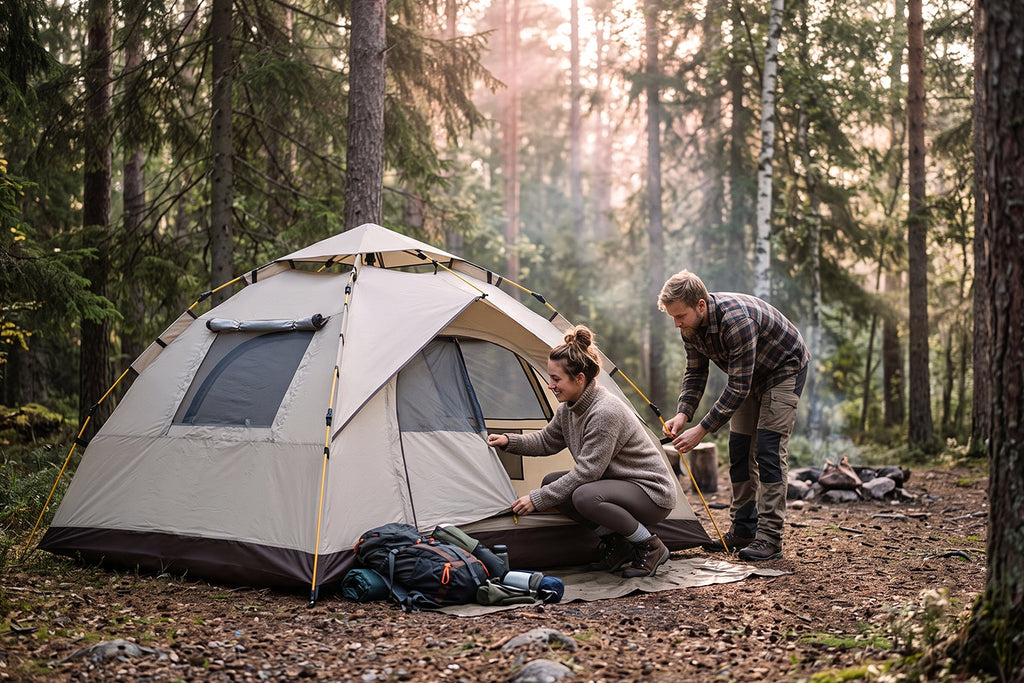
As the sun starts to drop, shift your gear setup from daytime use to overnight readiness. Position all the items you will need during the night within easy reach of your shelter entrance, so you will not have to fumble through a dark pack if you need something. This includes your headlamp, a small water bottle, a warm hat, and any personal items like glasses or medications. If you are in an area with active wildlife, pack all food, trash, and scented items like toothpaste into a sealed container, and store it at least 30 meters away from your sleeping area, or use a dedicated bear-resistant storage method. Never keep any food, snacks, or even wrappers inside your tent or vestibule overnight, as the smell can draw unwanted visitors right to your door. Take a few minutes to clear the ground around your tent of all sharp sticks, rocks, and pine cones, as these small objects can create tiny holes in your tent floor or sleeping pad while you toss and turn during the night.
Preparing your sleep system correctly before you turn in will help you stay warm and comfortable until morning. Do not crawl into your sleeping bag while wearing the same clothes you wore all day, as sweat and moisture trapped in the fabric will make you feel cold later on. Change into a full set of clean, dry base layers designed for sleeping, and use a separate, dry pair of socks that you only wear inside your sleeping bag. If your feet tend to get cold, place a few hand warmers or a warm water bottle inside a spare sock, and tuck it near the bottom of your sleeping bag an hour before you plan to sleep. This will pre-warm the space and keep your feet comfortable all night. Open the ventilation panels at the top of your tent or shelter just a small amount, even if the air outside feels cool. This lets moist, warm air from your breathing escape, so condensation does not build up on the inner walls and drip onto your face or sleeping bag in the middle of the night.
If you wake up in the middle of the night feeling cold, use your gear in specific ways to get warm again without having to leave your shelter. First, check that your sleeping bag hood is pulled snugly around your head and neck, as a huge amount of body heat escapes from an uncovered head. If you still feel a chill, put on a dry, warm hat and pull it down over your ears, even if you are still inside your sleeping bag. Sit up slowly and do a few small, gentle movements inside your bag, like raising your knees up and down a few times or rolling your ankles in circles. This generates body heat without making you sweaty, and will warm up the trapped air inside your sleeping bag. If you have an extra layer of clothing, put it on while you are still inside the bag, so you do not lose any warmth by unzipping and exposing yourself to the cold air. If you feel a cold draft coming from under your sleeping pad, slide your empty backpack, extra clothes, or even a folded jacket underneath the pad to create an extra layer of insulation between you and the cold ground.
Staying organized and handling small nighttime needs safely will keep your overnight experience smooth. Keep your headlamp on a low, red-light setting if you need to move around your shelter at night, as this preserves your night vision and does not disturb other campers nearby. If you need to step outside your shelter, put on your shoes fully before you unzip the door, so you are ready to move quickly and safely over uneven ground. Never leave your shelter barefoot, even for a few seconds, as sharp objects or insects can cause unexpected problems. Keep a small, dedicated container for water right next to your sleeping area, so you can take a sip without having to search through your pack in the dark. If you hear unfamiliar sounds outside your tent during the night, turn on your headlamp and shine it through the tent fabric toward the noise. Most small animals will move away from the sudden light, and you will be able to identify the source without having to step outside into the dark.
In the morning, take a few minutes to reset your gear for the day ahead. As soon as you get out of your sleeping bag, turn it inside out and lay it over a clean, dry surface to air out for at least 15 minutes. This lets any trapped moisture from your body evaporate, so the insulation stays fluffy and effective for the next night. Roll up your sleeping pad starting from the opposite end you usually use, to prevent the same spots from getting permanent creases that can weaken the material over time. Pack away all your nighttime-specific items, like your headlamp and sleeping clothes, into their own separate bag, so they stay organized and easy to find when the sun goes down again. These small, consistent overnight habits help you get the rest you need, so you can wake up refreshed and ready for another day of exploring the outdoors.