camping gear setup mistakes to avoid
A great camping trip starts with a solid, thoughtful setup, and small mistakes made during those first few minutes at the campsite can lead to a whole weekend of avoidable annoyances, minor discomforts, and even safety risks. Avoiding these common setup errors will help you get your site comfortable, functional, and ready for relaxing fun instead of constant small problems.
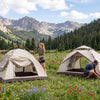
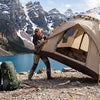
Picking the wrong spot to place your shelter is one of the easiest mistakes to make, and one that can cause problems for the entire trip. Never set up your tent in the lowest, flattest spot you can find, as this is exactly where water will flow and collect if it starts to rain. Even a small amount of rain can turn a low, flat area into a muddy puddle that seeps through the floor of your shelter, soaking all your gear from underneath. Avoid putting your shelter right at the base of a large tree or on a bed of thick, soft pine needles. While it might look comfortable, these spots often hide sharp roots, uneven ground, and falling branches that can damage your gear overnight. Do not ignore the direction of the wind when you choose your tent door placement. Facing the main opening directly into the wind will let gusts blow rain, dust, and cold air straight into your sleeping area, instead of creating a calm, protected space inside. Take a few extra minutes to look for a spot that is slightly elevated, has a flat surface free of large rocks and roots, and lets you position your door away from the wind’s usual path.
Many campers make small but impactful mistakes when they set up their sleeping and living areas, turning what should be a comfortable base into an irritating space. Do not lay your sleeping bag out on the bare tent floor without a ground pad or insulating layer underneath, as the cold from the ground will pull heat away from your body all night long, leaving you cold no matter how warm your bag is. Never place your cooking area right next to your sleeping shelter, as even a small stray spark can burn a hole in tent fabric, and food smells can draw animals to your sleeping area during the night. Keep a clear space of at least five meters between your food prep zone and your sleeping area. Avoid the temptation to hang your food bag from a thin, weak tree branch right above your tent. A curious animal pulling on the bag could snap the branch, sending your entire food supply crashing down onto your shelter in the middle of the night. Instead, hang it from a thick, sturdy branch that is at least thirty meters away from where you sleep.
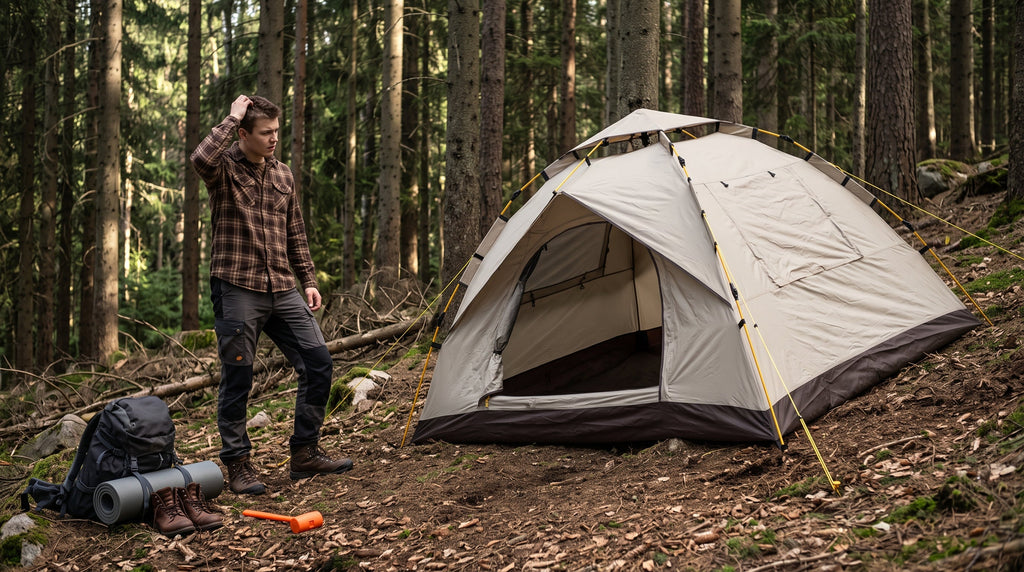
Mistakes with how you organize and secure your gear around the campsite can lead to lost items, damaged equipment, and extra work. Do not leave your boots, small tools, or loose clothing items scattered on the ground outside your tent overnight. Morning dew, passing animals, or a sudden gust of wind can soak, scatter, or bury these items before you wake up. Get into the habit of placing every small item inside your tent vestibule or a sealed storage container as soon as you are done using it for the day. Never hammer your tent stakes straight down into hard, rocky ground without first clearing away small stones. This can bend the stakes, damage the hammer, and leave your shelter poorly secured. Instead, wiggle the stake back and forth as you push it in, to create a small hole in the soil that the stake can slide into easily. Avoid setting up your shelter’s guy lines so tight that they pull the fabric into a constant, sharp tension. Over-tight lines put too much stress on the seams and fabric, and can actually tear the material during strong winds. Guy lines should be firm enough to keep the tent stable, but still have a little bit of gentle give when you push on them.
Small oversights during the final steps of setup can create bigger issues later on. Do not forget to clear a wide, clear path all the way around your entire shelter. Having to step over rocks, branches, or uneven ground every time you leave your tent in the dark is a perfect way to trip and fall. Take a few minutes to sweep the area with your foot or a small stick, and move any potential tripping hazards well away from your main walking path. Never zip your tent door completely shut without leaving at least one small ventilation panel open at the top. Sealing every single opening traps all the warm, moist air from your breathing inside, and that moisture will condense on the inner walls of your tent, dripping cold water onto you and your gear as the night gets cooler. Leave a small mesh window or roof vent open just a crack to let that moist air escape. Avoid leaving food wrappers, empty containers, or any other scented trash in open pockets on the outside of your backpack or around your campsite. Even if you plan to pack it out later, the smell can still attract insects and small animals long before you leave. Seal all trash in a dedicated, airtight bag as soon as you create it, and store that bag with your main food supply, far away from your sleeping area. Fixing these small setup habits takes almost no extra time, but it makes every part of your camping trip smoother, safer, and far more enjoyable from the moment you arrive.