camping gear practical operation guide
A practical camping gear operation guide moves beyond simply listing equipment to focus on the how and why of correct usage in the field. Mastery of these techniques directly impacts safety, comfort, and the longevity of your equipment, transforming a collection of items into a reliable outdoor system. This guide centers on fundamental principles applicable across a wide range of gear, from shelter setup to safe food handling.
Shelter Setup and Site Optimization
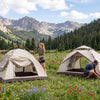
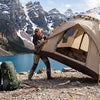
Selecting the right location is the first operational step. Look for level, high ground away from natural water drainage paths, dead trees (widowmakers), and insect nests. Before unpacking your tent, clear the area of sharp rocks, pinecones, and debris. Lay out the tent footprint or groundsheet, aligning it with the tent base. Assemble poles on a flat, clean surface to avoid snagging the tent fabric. When inserting poles, use a smooth, pushing motion rather than forcing them. Once the structure is up, stake it out starting with the windward side, pulling the guylines taut but not over-tightened, which can stress seams. Fine-tune the tension after all stakes are in. For hammock systems, ensure tree straps are wide to protect bark and that the hang angle is approximately 30 degrees for optimal comfort and force distribution.
Sleep System Configuration and Weatherproofing
The effectiveness of a sleeping bag is heavily dependent on proper use. Always use a sleeping pad with an appropriate R-value for the season; its primary function is to insulate you from the cold ground, not just provide cushioning. Fluff up your sleeping bag thoroughly before use to allow insulation to loft. If you're cold, wearing a base layer and a hat can significantly increase warmth. Ventilation is crucial to prevent condensation inside the tent. Use all available vents, and if weather permits, partially open the rainfly door. In rainy conditions, store wet gear (rain jackets, boots) in the vestibule, not the sleeping area. For meal preparation, operate stoves on a stable, level surface away from tent walls and overhanging branches. Always have water nearby when using a stove. Use a windscreen if provided, but ensure it does not create a heat buildup around the fuel canister.
Water Management and Essential Campcraft
Treat all water from natural sources. Follow the manufacturer's instructions precisely for filters, chemical treatments, or UV purifiers. For pumps, ensure O-rings are lubricated and intact. When filtering, pre-filter murky water through a bandana to extend the life of your primary filter. Always have a backup purification method. For lighting, conserve headlamp battery life by using the red-light mode for camp tasks. When packing, adopt a consistent system: frequently needed items (rain gear, snacks, first aid) go in accessible pockets; heavy items are packed close to your back and centered in your backpack. Finally, practice Leave No Trace principles: all waste is packed out, including food scraps and biodegradable items like fruit peels. A small trowel is used to dig a cathole 6-8 inches deep for human waste, located at least 200 feet from water, trails, and camp.