camping gear regular cleaning routine
Establishing a regular cleaning routine for camping gear is a fundamental practice that preserves equipment function, extends lifespan, and ensures reliability for the next trip. Unlike reactive cleaning after major incidents, a consistent routine addresses accumulated dirt, moisture, and organic residues before they cause permanent damage or performance degradation. This guide outlines a systematic, post-trip process tailored to different gear categories, building on the principle that proactive care is more effective than repair.
Post-Trip Immediate Air-Out and Dry-Out
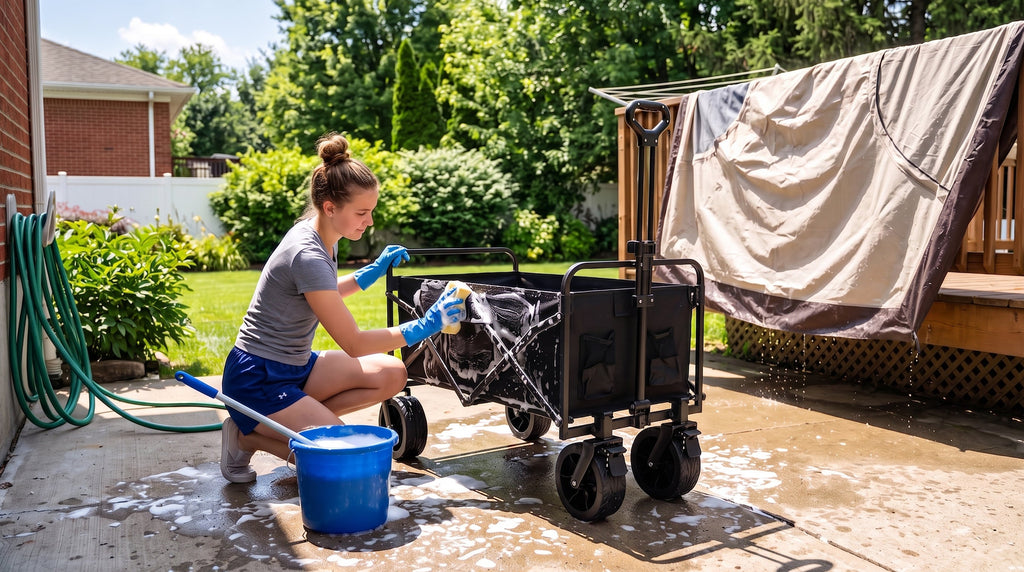
The most critical step, which should begin immediately upon returning home, is thorough drying. Every piece of gear that was exposed to moisture—from tent fabric and sleeping bags to backpack straps and cooking utensils—must be completely dried before storage. Hang tents and tarps in a shaded, well-ventilated area (direct sun can degrade fabrics over time), ensuring both the inner tent and rainfly are fully separated. Turn sleeping bags inside out and hang them loosely or lay them flat. Empty all pockets and compartments of backpacks and dry the interior lining. Stuff sacks, ropes, and webbing should also be aired out. This step prevents mildew, mold, and the breakdown of coatings and fibers, which are the most common causes of gear failure.
Fabric and Soft Goods Care
For shelters and packs, start by brushing off loose dirt and debris. Clean tent floors and pack interiors with a damp sponge or soft brush using a small amount of mild, non-detergent soap (like Nikwax Tech Wash or a similar technical cleaner). Avoid household detergents and fabric softeners, as they can strip durable water repellent (DWR) coatings. Gently scrub soiled areas, paying attention to seams and zippers. Rinse thoroughly with clean water—a gentle spray from a hose is ideal. Never machine-wash or machine-dry tents or backpacks unless the manufacturer explicitly states it is safe. After cleaning and drying, reproofing may be necessary; apply a DWR restorer (spray-on or wash-in) to reactivate water beading on rainflies and outer fabrics.
Hard Goods and Component Maintenance
For cooking systems, disassemble stoves and clean burner heads with a soft brush or compressed air to remove food residues and carbon buildup. Wipe down fuel canister threads. Clean pots and utensils with biodegradable soap, ensuring all food residues are removed to avoid attracting wildlife on future trips. For water filters, backflush them according to the manufacturer's instructions immediately after use to clear sediment and preserve the filter element. Check all hardware: clean tent poles and stakes of mud, lubricate zippers with a dry silicone-based lubricant (not WD-40), and inspect webbing and buckles for wear or fraying. A simple wipe-down of headlamps, GPS units, and other electronics with a slightly damp cloth completes the routine.