camping gear outdoor preparation guide
Practical Camping Gear and Outdoor Preparation Guide
TL;DR: Good camping trips are made at home, not at the campsite. Start prep at least 72 hours before departure, pitch your tent in the backyard for a full 24 hours to catch broken poles and stuck zippers, check the 7-day forecast for your exact campsite rather than the nearest city, and once you arrive, keep your fire ring at least 15 feet from tents and dry brush.
Spending a few nights out in the open wilderness can turn into a messy, uncomfortable experience if you skip small, critical prep steps before you even leave home. Most new campers focus only on picking out big, obvious gear items, and end up forgetting tiny, high-impact details that leave them soaked, cold, or stuck without basic supplies once they are miles away from the nearest town. This guide walks through actionable, field-tested steps that regular outdoor groups use to get ready for trips of all lengths, from quick overnight car campouts to multi-day backcountry hikes far from paved roads.
Pre-Trip Gear Inspection and Weather Alignment Checks
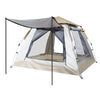
Start your prep at least 72 hours before you plan to leave, not the night before you pack the car. Pull every single piece of camping gear out of storage and spread it across your driveway or living room floor, so you can lay eyes on every item instead of just checking off a list from memory. Set up your tent completely in your backyard, stake it down, and leave it up for a full 24 hours. This lets you spot tiny holes in the rainfly, broken pole segments, or stuck zippers that you would never notice while the tent is folded up in its bag. Many campers skip this test and end up fumbling with a broken tent pole in the dark, right as a sudden rainstorm rolls into the campground.
Check the 7-day weather forecast for your exact campsite location, not just the nearest city 30 miles away. Mountain and forest weather shifts drastically in very short distances, and a forecast that calls for mild sunny days can easily turn into unexpected overnight frost, heavy afternoon thunderstorms, or strong gusty winds that blow unsecured gear across the campground. Adjust your gear stack to match the conditions you expect: add extra layers if low temperatures are predicted, pack extra waterproof covers if rain is in the forecast, and set aside extra wind breaks for your cooking area if high wind alerts are posted for the area.
Test every battery-powered item you plan to bring, and swap out old batteries for fresh ones before you pack them. Leave no headlamp, lantern, or portable power bank sitting in storage with old batteries inside, because dead or leaking batteries are one of the most common small failures that ruin a camping trip. Stash a small set of spare batteries in a separate, sealed waterproof bag, so you do not end up fumbling through a dark backpack at 2 a.m. when your headlamp dies mid-night.
Site-Specific Gear Adjustments and Packing Logic
Once you confirm your campsite’s exact layout and rules, adjust your gear stack to fit the space you will be working with. If you are camping in a designated campground with pre-set tent pads, you can leave extra heavy stakes at home if the ground is soft and clear of large rocks. If you are heading to a remote backcountry spot with no pre-built pads, add extra heavy-duty stakes, a small hand trowel, and extra guylines to secure your tent on uneven, sloped ground.
Sort your packed gear by how often you will need to access it, not by what type of item it is. Keep the items you need to grab quickly — like your headlamp, rain jacket, first aid kit, and a small snack — in the very top layer of your backpack or in a side pocket you can reach without digging through the whole bag. Store all the gear you only need once a day, like your sleeping bag and extra camp chairs, at the very bottom of your pack or in the back of your vehicle, where it stays out of the way until you set up camp for the night.
Separate all your cooking gear into its own dedicated, easy-to-carry bin, and keep all food items sealed inside airtight, scent-proof containers. Do not leave any food, trash, or scented personal care items loose in your tent, even for a single minute. Store all these items in a designated hanging bear bag or locked vehicle storage space overnight, to avoid drawing unwanted wildlife to your campsite after dark. Double check that you have packed all the small, easy-to-forget cooking essentials: extra lighters, waterproof matches, a small pot scrubber, and enough clean water for both drinking and washing dishes over the full length of your trip.
Last-Minute On-Site Gear Setup and Safety Checks
When you first arrive at your campsite, do not rush to set up your tent right away. Walk the entire area you plan to use, and clear away all sharp rocks, thorny branches, and small sticks from the spot where you will lay your tent footprint. Pick a flat, slightly elevated spot that sits at least a few feet higher than any nearby low-lying depressions, so rainwater will not pool up under your tent floor if a sudden storm hits overnight.
Set up your tent first, before the sun goes down, and tension all the guylines properly to keep the rainfly pulled tight and away from the inner tent walls. This small step stops rain from seeping through the mesh walls when heavy wind pushes rain against the tent, and it prevents condensation from dripping onto your sleeping bag in the middle of the night. Lay down your sleeping pad and sleeping bag inside the tent right after you finish setting it up, to confirm there are no hidden sharp spots under the tent floor that could puncture your pad while you sleep.
Before you start your first campfire, do a full walk around the entire campground perimeter. Confirm your fire ring is at least 15 feet away from the tent, all hanging tree branches, and any loose dry brush that could catch fire. Keep a full bucket of clean water and a small shovel full of dirt right next to the fire ring at all times, so you can put out stray sparks or a runaway fire immediately. Do a final check of all your gear before you go to bed each night: make sure all lanterns are turned off, all food is secured away from the tent, and no loose items are left out in the open where they could get blown away or soaked by unexpected overnight rain.
FAQ: Camping Gear Preparation
How far in advance should you start camping gear prep?
Start at least 72 hours before you leave, not the night before. Spread every item out where you can see it, instead of checking a list from memory.
Why should you test-pitch your tent before a trip?
Set it up completely in your backyard and leave it for a full 24 hours. This reveals tiny rainfly holes, broken pole segments, and stuck zippers you would never notice while the tent is folded in its bag.
What is the best way to pack a backpack for camping?
Sort by access frequency, not item type. Keep your headlamp, rain jacket, first aid kit, and a snack in the top layer or a side pocket; store once-a-day items like your sleeping bag at the bottom.
How do you keep wildlife away from your campsite?
Seal all food and scented items in airtight, scent-proof containers and store them in a hanging bear bag or a locked vehicle overnight. Never leave food, trash, or scented items in your tent.
How far should a fire ring be from a tent?
Confirm the fire ring is at least 15 feet away from the tent, hanging branches, and dry brush, and keep a bucket of water and a shovel of dirt next to it at all times.