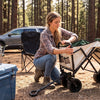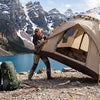
camping gear handling precautions
Improper handling of camping gear in field conditions can lead to unexpected damage, safety risks and cut the usable lifespan of your equipment far shorter than intended. These practical, field-focused precautions cover every stage from transport to active use and post-trip storage, helping you avoid common mistakes that turn small issues into full equipment failures mid-trip.
Transport and Packing Safety Rules for Backcountry Travel
When loading gear into vehicles or backpacks, never place sharp hard objects directly against thin fabric components like tent walls or sleeping bag shells. Even small metal edges on tool handles or loose stake points can create tiny hidden punctures that tear open into large rips the moment you pull the fabric tight during setup. Wrap all sharp items in thick protective layers, and tuck them into dedicated outer pockets where they will not rub against soft gear during hours of bumpy travel.
Avoid overstuffing your backpack to the point that seams stretch tight and bulge far past the bag’s designed shape. Excess tension on stitching can pull threads loose over time, and you run the risk of blowing out a side seam halfway along a hiking trail with no easy way to make a proper repair. Distribute heavy items close to your back and center of gravity, so the load stays stable and does not shift around to put uneven stress on frame supports or shoulder straps.
Never leave gear locked inside a closed vehicle under direct sunlight for hours during hot weather. The trapped interior temperature can climb high enough to warp plastic components, degrade adhesive seals on waterproof parts, and melt synthetic insulation that gets compressed against hot interior surfaces. Store sensitive gear in shaded, ventilated areas whenever possible, and never leave pressurized fuel containers inside a car exposed to extreme heat for extended periods.
Active Field Use Precautions to Prevent Unplanned Damage
When setting up tent poles, never force the segments to lock into place with hard, sharp tugs that can bend or snap thin aluminum sections. Apply steady, even pressure along the length of the pole as you extend each segment, and stop immediately if you feel unexpected resistance that does not line up with the normal locking motion. Twisting the pole slightly while you connect segments helps them slide into place smoothly, without putting unnecessary lateral stress on the weakest joint points.
Keep all open flame sources at a safe distance from loose fabric, guy lines and tent mesh at all times. Even small stray sparks from a campfire can melt tiny holes in synthetic fabric that expand quickly once wind pulls at the material, and accidental contact between a hot cook pot and tent wall can leave a permanent burn mark that ruins the entire panel. Never bring active cooking equipment or fuel containers inside an enclosed tent space, even if you only plan to use them for a few seconds to warm up food.
When moving around the campsite with boots on, watch your step to avoid kicking loose tent stakes, guy lines or exposed gear parts laid out to dry. A hard accidental kick can bend a stake beyond repair, snap a thin guy line, or send a delicate lantern tumbling down rocky terrain that shatters its internal components. Mark all guy line positions with small visible markers after setup, so everyone in your group can see the lines clearly even when natural light fades at dusk.
Post-Trip Handling and Long-Term Storage Protection
Never drag wet, muddy gear across rough concrete or dirt paths on your way back from the trailhead. Even small grains of sand stuck to the bottom of your boots can act as abrasive particles that scrape and wear through waterproof coatings on tent floors in just a few short steps. Carry dirty gear back to your wash area in a large dedicated bag, instead of dragging it across surfaces that add unnecessary wear.
Do not use harsh chemical cleaners, bleach or strong degreasers on camping gear fabric, seals or insulation layers. These products break down the specialized water-repellent coatings, degrade elastic tension in seams, and leave behind residues that attract more dirt faster on your next trip. Stick to mild, biodegradable soap and lukewarm water, and use soft bristle brushes to gently scrub away stuck-on mud without damaging the underlying material.
Before you pack gear away for long term storage, make sure every single component is 100 percent dry, down to the smallest hidden crevices around zippers and folded fabric edges. Even tiny traces of trapped moisture can grow mold that eats away at fabric fibers, leave permanent stains, and create unpleasant odors that are almost impossible to remove later. Loosen all tension on straps, guy lines and compressed storage sacks before you set items on the shelf, so no single part of the gear stays pulled tight under constant stress for months at a time. Check stored gear once every few months for signs of pest activity, and make sure no small rodents have chewed through fabric or wiring while the equipment sits unused.