camping gear operation guidelines
When you head into backcountry areas for overnight or multi-day trips, knowing how to use your camping gear properly makes the difference between a smooth, comfortable experience and unexpected disruptions that turn a trip stressful. These practical, field-tested guidelines cover core setup, daily use and post-trip care to keep your equipment reliable across different weather and terrain conditions.
Pre-Trip Gear Inspection and Pre-Deployment Testing
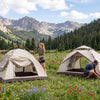
Before you pack anything for your trip, lay every piece of equipment out on a flat, open space at home to run a full check at least 48 hours before departure. Unfold shelter components completely, extend support poles to their full length, and lock all connection points into place to confirm no sections are cracked, bent or missing small critical parts. This step catches issues that would leave you stranded at the campsite, like a broken pole segment you forgot you damaged on your last outing.
Test all portable power and lighting systems by turning them on for 5 to 10 full minutes, instead of just pressing a quick power button to see if they blink. Check that all seals on waterproof storage housings sit flush and show no signs of cracking, and run water through portable filter systems to confirm flow rate stays consistent with no unexpected leaks around connection points.
Practice packing and unpacking your core gear bags in your driveway to confirm every item fits in its assigned storage space, and that you can pull out frequently used pieces without digging through the entire load. This small routine cuts down setup time at the campsite by half, and prevents you from leaving a critical piece of gear buried at the bottom of your pack when you rush to break camp early in the morning.
On-Site Setup and Daily Operation Best Practices
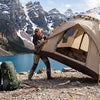
When you arrive at your chosen campsite, clear the entire designated shelter area of sharp rocks, thorny sticks and uneven ground before you lay down any base layer or tent fabric. This prevents hidden sharp edges from puncturing the bottom of your shelter while you move around inside, and creates a far more comfortable sleeping surface that does not leave you waking up with sore pressure points.
Set up your cooking station at least 3 meters away from your shelter, all surrounding fabric materials and any dry grass or pine needle patches that could catch stray sparks. Keep all fuel containers placed on a flat, stable surface far from open flame, and never leave active cooking equipment unattended while it is running. Always make sure the flame is fully extinguished and all components have cooled down completely before you touch or move the cooking setup after use.
For overnight cold conditions, arrange your sleeping system layers loosely instead of pulling them tight against your body right before you climb in. Give the insulation 5 to 10 minutes to expand fully and trap warm air, which creates a far more effective thermal barrier than squeezing the layers down tight. Avoid bringing damp clothes inside your sleeping system, as trapped moisture will pull away body heat and leave you feeling cold even if the outside temperature stays above freezing.
Post-Trip Teardown, Cleaning and Long-Term Storage
When you break camp, never pack wet or muddy gear directly into your storage bags if you can avoid it. Shake off all loose dirt, pine needles and debris from shelter fabric, poles and stakes before you fold anything up, and wipe down all metal components with a dry cloth to remove moisture that could cause rust during storage. If you have to pack damp gear because of unexpected rain on your trip, make it a top priority to unpack and lay everything out to air dry completely as soon as you get back home.
Clean all cooking and eating components with hot water and mild, biodegradable soap right after your trip, instead of leaving food residue to harden onto surfaces that will be far harder to scrub off weeks later. Check all flexible seals and gaskets for leftover food particles that could trap mold, and confirm no small crumbs are left inside storage containers that would attract pests while gear sits in storage.
Store all camping gear in a cool, dry area away from direct sunlight, and avoid leaving heavy items stacked on top of folded shelter fabric or compressed sleeping insulation for months at a time. Loosely store sleeping systems in large, breathable storage sacks instead of keeping them crammed tight in their small travel stuff sacks, which preserves the insulation’s ability to trap warm air for far longer across multiple trips. Do a quick visual check of all stored gear every 3 months, to catch slow developing issues like hidden mold or tiny fabric tears before you start packing for your next outing.