camping gear outdoor safety guide
Heading out for a camping trip means getting closer to nature, but the right preparation and safety awareness can turn a casual adventure into a smooth, worry-free experience. Whether you are a first-time camper or someone who spends weekends in the backcountry every month, small, practical safety habits will keep you protected no matter what the outdoors throws your way.
Before you even load your gear into the car, take time to check the latest local weather forecasts and official alerts for your planned camping area. Skip trips that fall on days with strong wind warnings, heavy rain, or sudden thunderstorm notices, as these conditions can turn mild outdoor fun into a risky situation in just a few hours. Share your full itinerary with a friend or family member who is not joining the trip, including your exact campsite location, planned route, and the time you expect to return. This simple step ensures someone knows where to look for you if your group runs into unexpected trouble and loses regular cell service. Pack enough clean drinking water to last your entire stay, plus extra reserves for unexpected delays, as natural streams, lakes, or rivers in the wild can carry unseen bacteria and parasites that lead to stomach discomfort or more serious illness. Your first-aid kit should include basic supplies for minor scrapes, antiseptic wipes, common over-the-counter medications for allergies, stomach issues, and pain relief, along with topical treatments for insect bites. Dress in layered, quick-dry clothing instead of heavy cotton pieces, as cotton stays wet for a long time and speeds up body heat loss if you get caught in rain or sweat through your clothes.
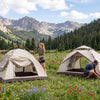
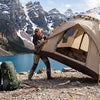
Picking the right spot to set up your tent is one of the most critical choices for your entire camping safety. Stick to designated, regular campgrounds whenever possible, as these areas are checked regularly for hidden hazards and have basic emergency support nearby. Choose a flat, open patch of ground that sits at a higher elevation, far away from riverbanks, valley bottoms, cliff edges, and the base of steep slopes. These low or close-proximity spots put you at high risk if sudden heavy rain triggers flash floods, rolling rocks, or mud flows. Do not set your tent directly under a large, isolated tree, as this leaves you exposed to falling branches during wind storms and increases your risk during lightning activity. After you lay out your tent footprint, dig a shallow drainage ditch around the outer edge of your tent area to guide rainwater away, so you do not wake up to pooled water seeping inside your sleeping space. Position your tent exit facing away from the usual wind direction of the area, and secure every tent stake and guy line tightly to keep the structure stable even when unexpected gusts pick up.
Proper fire and food handling rules prevent most common camping accidents that ruin trips or lead to serious harm. Never light any kind of open flame, candle, or fuel-powered lantern inside your tent, as even a small stray spark can catch lightweight tent fabric on fire in seconds. Keep all cooking stoves, campfire pits, and heated areas at least 5 meters away from your tent, sleeping bags, backpacks, and any other flammable items. Never leave an active fire unattended, and make sure a responsible adult stays nearby the entire time the flame is burning. Before you go to sleep at night or leave your campsite for a hike, fully put out all remaining fire with water and stir the ashes with dirt to confirm every last ember is cold to the touch. Separate raw and ready-to-eat food in your storage bags to avoid cross-contamination, and do not leave leftover food out in the open where wild animals can find it. Wash your hands thoroughly before handling any food, even if you are using portable wet wipes, and never eat wild berries, mushrooms, or plants you cannot identify with 100 percent certainty. If you notice small ticks on your skin after walking through tall grass, do not pull them off roughly with your fingers, and seek proper medical help as soon as you can if the bite area shows unusual swelling or discomfort.
Keep your phone charged as much as possible during the trip, and carry a portable power source to maintain communication even when you are far away from regular power outlets. Watch for unusual warning signs in the surrounding environment, like sudden loud rumbling sounds coming from a nearby valley, rapid changes in stream water levels, or water turning muddy when there has been no rain in your immediate area. If you spot these signs, pack your essential items right away and move quickly to higher, stable ground far away from the water course. When you hike away from your campsite, stay on marked trails and do not wander into unmarked, overgrown areas that you do not know well. These small, consistent safety checks will help you stay ready for any unexpected shift in the outdoors, so you can focus on enjoying the fresh air, quiet views, and relaxed moments that make camping such a beloved activity.