camping gear field operation guide
A Practical Field Guide for Operating Camping Gear Safely and Efficiently
TL;DR: Safe, efficient field operation comes down to routine: survey the site before unpacking, drive stakes at a 45-degree angle starting on the windward side, keep the camp kitchen at least 100 feet downwind from where you sleep, boil water for one minute (three minutes above 6,500 feet), and run a five-minute gear inspection every morning before the day begins.
Establishing a Methodical Base Camp Setup Routine
A successful field operation begins with a systematic approach to establishing your campsite. Upon arrival, resist the urge to immediately unpack everything. First, conduct a thorough site survey. Walk the entire area to identify potential hazards such as dead overhead branches (widowmakers), insect nests, uneven ground, and signs of recent animal activity. Look for a spot that is naturally level, well-drained, and offers some wind protection, while adhering to Leave No Trace principles by choosing durable surfaces like established sites, rock, gravel, or dry grass. Clear the area of sharp rocks and pine cones that could damage your tent floor or sleeping pad.
Pitching Shelter with Precision and Security
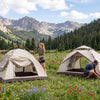
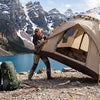
Your shelter is your primary defense against the elements. Unpack your tent on a ground cloth or footprint to protect the floor. Assemble poles on a soft surface like grass to prevent scratches. When inserting poles into grommets or clips, use smooth, firm pressure to avoid bending them sideways. Once the structure is up, stake it out starting with the windward side. Drive stakes in at a 45-degree angle away from the tent for maximum holding power. In soft ground, use rocks to weigh down stakes or find a sturdy root to tie off to. Finally, adjust all guylines, ensuring they are taut but not over-tightened, which can distort the tent's shape and strain the seams. A well-pitched tent should have a drum-tight fly, with no fabric flapping in the wind.
Organizing a Functional and Safe Camp Kitchen
Designate your kitchen area at least 100 feet downwind from your sleeping area to minimize food odors where you sleep, a critical practice in bear country. Use a small tarp or ground sheet to define the space and simplify cleanup. Set up your stove on a stable, level surface, clear of any dry vegetation. Always test the stove's connection and perform a pre-light check away from the tent before igniting. Keep your fuel canister upright and never leave a lit stove unattended. Organize your cook kit, utensils, and food bags in a logical order, with a dedicated bag or sack for trash that is sealed immediately after use. Hang a lantern or set up a headlamp to illuminate your workspace after dark.
Executing Core Gear Operations with Confidence
Proper technique extends the life of your equipment and ensures your safety during critical tasks.
Mastering Fire Starting and Management (Where Permitted)
If fires are permitted and you choose to build one, location is paramount. Use an existing fire ring if available. If you must build a new one, select a spot away from overhanging branches, tents, and dry grass. Clear a wide circle down to bare soil. Keep the fire small and manageable. Use small, dry twigs (tinder) to start, gradually adding larger pieces of wood (kindling and fuel). Never cut live trees or branches. A responsible fire is fully extinguished using the "drown, stir, feel" method: pour water over all embers, not just the red ones, stir the ashes with a stick to expose wet material, and feel for heat with the back of your hand. Repeat until everything is cold to the touch.
Water Procurement and Purification Protocols
Treat all water from natural sources before consumption. First, collect water from the fastest-moving, clearest part of a stream, avoiding stagnant pools. If the water is cloudy, pre-filter it through a bandana or coffee filter to remove large sediment. Then, apply your primary purification method. If using a pump or gravity filter, ensure the intake hose has a pre-filter and pump with steady, full strokes without forcing it. For chemical treatment like iodine or chlorine dioxide tablets, follow the contact time specified for the water temperature—colder water requires longer treatment. When boiling, bring water to a full, rolling boil for one minute (or three minutes at altitudes above 6,500 feet). Always have a backup purification method, such as a few extra tablets or a small backup filter.
Navigating with Map, Compass, and Electronic Aids
Carry and know how to use a topographic map and a baseplate compass as your primary, non-battery-dependent navigation tools. Before setting out, orient your map to the terrain using the compass. Identify clear landmarks and plot your route, noting potential bail-out points. While hiking, frequently "thumb" your map—keeping your current location at your thumb to maintain constant situational awareness. If using a GPS device or smartphone app, conserve battery by putting it in airplane mode or low-power mode between checks. Always cross-reference electronic bearings with your map and compass to catch errors. Mark waypoints at trail junctions and your campsite.
Implementing Proactive Safety and Maintenance Checks
Continuous vigilance and minor upkeep in the field prevent major failures and emergencies.
Conducting Daily Gear Integrity Inspections
Make a quick inspection part of your morning routine. Check tent seams and guylines for abrasion or fraying. Inspect the rainfly for any new pinholes or tears. Look over your backpack's shoulder straps, hip belt, and stitching for stress points. Examine your stove for fuel leaks by smelling and looking for residue before lighting. Test your headlamp and flashlight batteries. Shake out your boots and check socks for debris to prevent blisters. This five-minute habit can identify small issues before they become trip-ending problems.
Responding to Weather Changes and Minor Repairs
Weather in the field can shift rapidly. At the first sign of wind, re-secure all tent stakes and guylines. If rain is imminent, double-check that your rainfly is taut and that all gear inside the tent is away from the walls to prevent water transfer through condensation. Carry a basic repair kit: duct tape wrapped around a water bottle or trekking pole, a needle and strong thread, a tenacious tape patch for tents and packs, and a multi-tool. A torn tent mesh or a leaking air mattress can often be field-repaired sufficiently to last the remainder of the trip, allowing you to manage the situation rather than be compromised by it.
FAQ: Camping Gear Field Operation
What is the first thing to do when arriving at a campsite?
Conduct a thorough site survey before unpacking: look for dead overhead branches, insect nests, uneven ground, and animal activity, then pick a level, well-drained spot on a durable surface.
How far should a camp kitchen be from the sleeping area?
Designate the kitchen at least 100 feet downwind from your sleeping area to keep food odors away from where you sleep — a critical practice in bear country.
How long should you boil water to purify it?
Bring water to a full, rolling boil for one minute, or three minutes at altitudes above 6,500 feet. Treat all water from natural sources, and always carry a backup purification method.
What is the drown, stir, feel method for putting out a fire?
Pour water over all embers, not just the red ones, stir the ashes with a stick to expose wet material, then feel for heat with the back of your hand. Repeat until everything is cold to the touch.
What should a daily field gear inspection include?
A five-minute morning habit: check tent seams, guylines, and rainfly for damage, inspect pack straps and stitching, smell the stove for fuel leaks, test headlamp batteries, and shake out boots.