Camping Gear FAQ for First-Time Buyers: Start Here
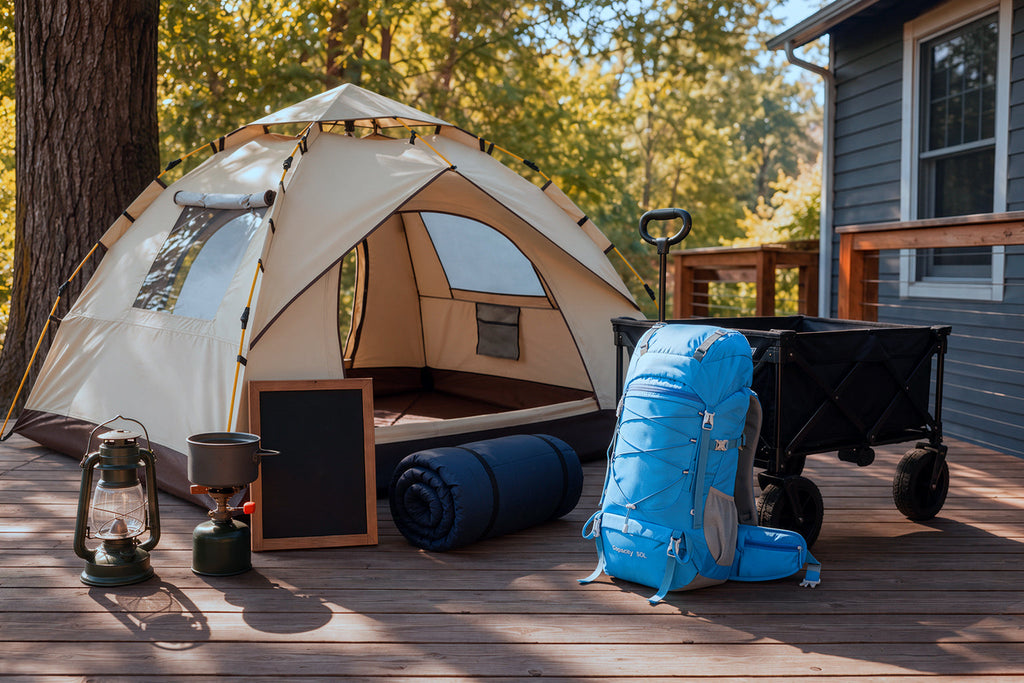
This camping gear FAQ for first time buyers shows you exactly where to start — 15 honest answers before you spend a dollar. Think of it as a camping gear buying guide for beginners: what camping gear should you buy first as a beginner, how to set it up, and how to make it last. No jargon, no upsells.
Camping Gear Buying Questions for First-Time Buyers
What camping gear do I actually need as a beginner?
Start with six essentials: shelter (a tent), a sleep system (sleeping bag plus pad), lighting, cooking basics, water containers, and a cooler. Match your bag to expected nighttime lows — REI's expert guide to sleeping bag temperature ratings explains how. Everything else — wagons, chairs, tables — is comfort gear you can add on trip two.
How much should I budget for a complete starter setup?
Budget $200–$500 for a mid-range starter kit: tent ($100–$200), bag and pad ($80–$150), stove and cooler ($60–$120), lighting and extras ($40–$80). Avoid dollar-store gear that fails mid-trip and $1,500 premium kits you don't need yet. Affordable camping gear for new campers sits in that mid-range sweet spot.
What size and type of tent should a first-time buyer get?
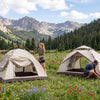
Size up one person: two campers need a 3-person tent, since rated capacity means sleeping shoulder-to-shoulder. For type, choose a 3-season instant tent. Pre-attached poles unfold and lock, pitching in about 60 seconds versus 15-plus minutes for traditional tents — with fewer parts to lose. It handles spring through fall weather.

Is a folding wagon worth buying for car camping?
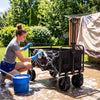
Yes, if you use walk-in sites, haul family gear, or mix beach days with camping. A heavy-duty folding wagon rated for 600 lbs moves your tent, cooler, and bags in one trip instead of four. Standard wagons (150–200 lbs) suit lighter loads. Either way, pick one that folds compact enough for your trunk.
Should I buy gear individually or as a bundle/collection?
First-time buyers usually save with a curated camping gear starter kit: guaranteed compatibility, bundle pricing, and one-stop checklist completion. Buying piecemeal spreads costs over time but risks mismatched gear. Renting works for one trial trip, but if you'll camp twice or more, a collection like the Finvizo full collection pays for itself.
Setup & Use Questions
How do I set up an instant tent for the first time?
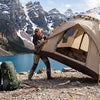
Practice in your backyard first. The sequence: unfold the tent, extend the poles until the joints lock, stake the corners, then add guy lines and the rainfly. Ads claim 60-second setup; expect 5–10 minutes on attempt one. Common rookie errors: staking before the frame is fully extended and skipping the rainfly.
How do I choose and prepare a good campsite spot?
Pick level ground with slight elevation so rain drains away, at least 200 feet from lakes or streams, and clear of dead overhead branches. Shade helps if you like sleeping in. Clear rocks and sticks before pitching. Established campgrounds simplify this — the National Park Service campground camping guidelines cover site rules and food storage.
What's the best way to load and use a folding wagon at camp?
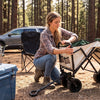
Load heavy items low and centered, lighter bags on top, and never exceed the rated capacity. Aim for one trip: tent and cooler first, bags filling gaps. Wide all-terrain wheels handle sand and gravel; narrow plastic wheels don't. Practice the fold-and-unfold mechanism at home so it takes ten seconds at the trailhead.

How do I pack a hiking backpack correctly for a day hike from camp?
Heavy items go close to your back and centered; water, snacks, and a rain layer on top for quick access. Carry the ten essentials — navigation, light, first aid, and so on. Most importantly, tighten the hip belt so your hips carry most of the load. Aching shoulders after a mile means the fit is wrong.
How do I stay cool and sun-protected while camping in summer?
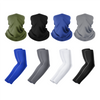
Layer three defenses: shade from a tarp or smart tent placement, a hydration schedule (drink on a timer, not when thirsty), and UPF-rated clothing like neck gaiters, which don't sweat off like sunscreen. At night, open rainfly vents and mesh panels so heat escapes. Moving your tent 20 feet into shade drops interior heat noticeably.
Care & Maintenance Questions
How do I clean and store a tent after a trip?
Never store a tent wet — mold can set in within 24–48 hours and ruin the fabric coatings. Shake out debris, spot-clean with mild soap and water (never machine wash), then air-dry completely, underside included. Store it loosely in a cool, dry closet. Tight long-term compression creases and weakens waterproof coatings.
How do I maintain a folding wagon so it lasts?
Rinse sand and salt off the wheels and frame after each trip, then dry everything before folding to prevent rust. Every few trips, add silicone lubricant to the wheel axles and folding joints. Store the fabric basket dry, and each season tighten bolts and screws — five minutes with a wrench prevents mid-campsite breakdowns.

How do I care for sleeping bags, backpacks, and fabric gear?
Sleeping bags: air out after every trip, wash per the label (front-loader, gentle cycle), and store uncompressed — long-term compression kills loft and warmth. Backpacks: empty pockets, spot-clean, check zippers and straps. For tents, packs, and gaiters, reapply DWR (durable water repellent) spray annually so water beads instead of soaking in.
Troubleshooting
What do I do if my tent leaks or condensation builds up?
First, find the real problem: most "leaks" are condensation — moisture from your breath collecting on cool fabric. Fix true leaks with seam sealer and rainfly re-waterproofing. Prevent condensation by opening vents, keeping wet gear outside, and keeping the rainfly taut with an air gap. Never pitch in a depression where water pools.
What should I do if a wagon wheel sticks or gear breaks at the campsite?
For a sticking wheel, clear debris from the axle, rinse out sand, and add any lubricant you have — even cooking oil works in a pinch. Check the fold-lock for grit. Carry a small repair kit: duct tape, zip ties, a multi-tool, and cord. For defects, photograph the damage and contact the manufacturer about warranty coverage.
Still Have Questions?
Reach out — a good support team helps first-time buyers match gear to their trip before they buy. Everything in this FAQ, from 60-second instant tents to 600-lb wagons, is in one place. Ready to gear up with confidence? Browse the full Finvizo collection and check off your whole list in one stop, or join our newsletter for more beginner guides.
Related Guides:
- How to Choose the Right Tent Size for Your Family
- Folding vs Foldable Wagon: 1 Clear Answer Inside
- How to Hike with a 50L Backpack Without Back Pain (2026 Guide)

Written by Vivian J
Product Manager at Finvizo and an avid camper who tests gear on real trails. She writes from hands-on field experience to help you pick equipment that actually holds up outdoors.