Camping for Beginners: Your First Trip Checklist
If you've never camped before, the idea of sleeping outdoors can feel overwhelming. What gear do you need? Where should you go? How do you stay safe? This camping for beginners first trip checklist answers all those questions and more. By the time you finish reading, you'll have a clear plan for a successful first camping adventure.
Why Camping Is the Perfect Hobby for Beginners
Camping is one of the most accessible outdoor activities you can try. Unlike hiking or climbing, you don't need years of experience or expensive gear to get started. A basic tent, a sleeping bag, and some simple food are all you really need for your first night under the stars.
According to the 2024 North American Camping Report, over 58 million American households went camping at least once last year. That number keeps growing because camping offers something rare in our digital world: genuine disconnection from screens and reconnection with nature.
Essential Gear for Your First Camping Trip
You don't need to buy everything at once. Start with the essentials and add gear over time as you figure out what matters most to you.
Must-Have Gear
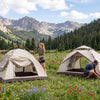
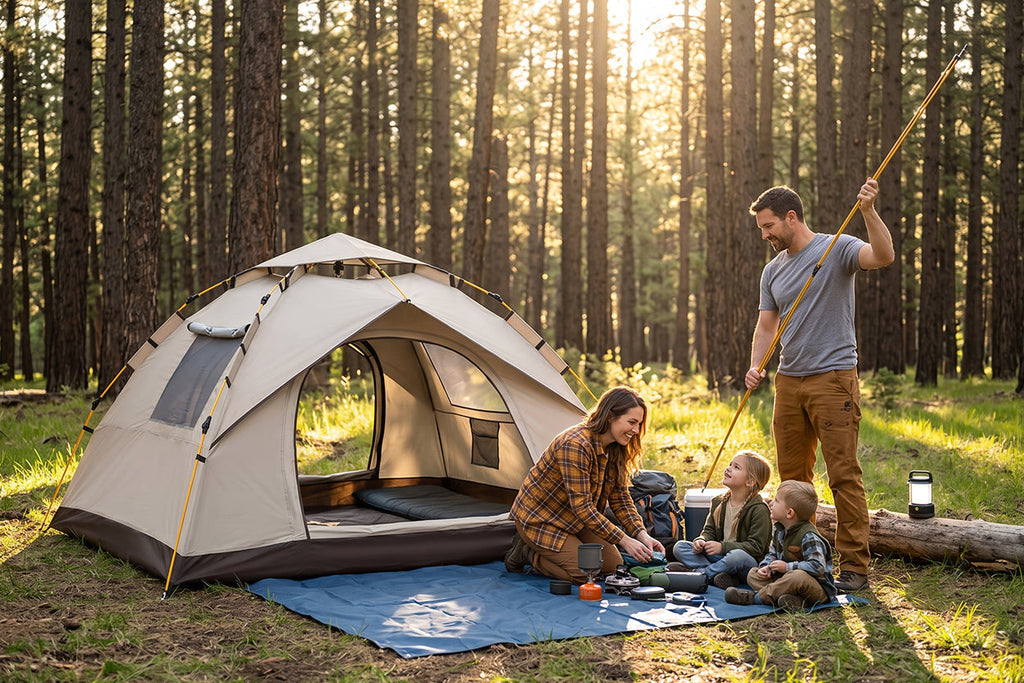
- Tent: A reliable shelter is your top priority. For beginners, an instant pop-up tent saves you from the frustration of complicated pole systems. The Finvizo 2-4 person instant tent sets up in under 3 minutes and fits 2 adults comfortably.
- Sleeping bag: Choose a bag rated for temperatures 10-15 degrees below what you expect. For summer camping, a 40°F bag works perfectly.
- Camping pad or air mattress: Ground insulation matters more than most beginners realize. An inflatable pad keeps you warmer and more comfortable than sleeping directly on the tent floor.
- Headlamp or flashlight: You'll need hands-free lighting for nighttime bathroom trips and tent setup in low light.
- First aid kit: Include bandages, antiseptic wipes, pain relievers, and any personal medications.
Nice-to-Have Gear
- Portable camping chair for sitting around the fire
- Cooler for keeping drinks and perishables cold
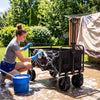
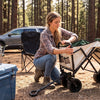
- Finvizo folding wagon cart for transporting gear from car to campsite
- Portable phone charger or power bank
- Camping pillow (or just bring a pillow from home)
What You Can Skip
- Expensive camping stove (a simple propane burner works fine)
- Fancy cookware (bring pans from home)
- Gadget-heavy multi-tools (a basic knife covers 90% of needs)
- Expensive hiking boots for car camping (sneakers work fine on established campgrounds)

5 Tips for First-Time Campers
- Choose a campground with amenities. For your first trip, pick a site with bathrooms, running water, and designated fire pits. State park campgrounds are ideal for beginners.
- Practice setting up your tent at home. Unpack your tent in the backyard or living room and set it up twice before your trip. This 20-minute practice session will save you frustration at the campsite.
- Bring layers for temperature changes. Even in summer, temperatures can drop 20-30 degrees at night. Pack a fleece jacket and long pants regardless of the daytime forecast.
- Pack easy-to-cook meals. Sandwiches, pre-made pasta salad, hot dogs, and foil-packet meals require minimal cooking skill. Save the gourmet camp cooking for trip #5.
- Follow Leave No Trace principles. Pack out everything you pack in. Don't feed wildlife. Stay on designated trails and campsites.

Common Concerns Answered
"Will I be safe camping?"
Car camping at established campgrounds is extremely safe. Choose well-reviewed campgrounds, lock valuables in your car, and follow basic food storage rules to avoid attracting animals.
"What if it rains?"
Bring a waterproof tarp to place under your tent. Pack rain jackets and an extra set of dry clothes in a sealed bag. Some of the best camping memories happen during rainy nights in a warm tent.
"How do I pick a campsite?"
Look for level ground away from standing water. Avoid sites directly under trees with dead branches. Check reviews on Campendium or Recreation.gov for honest feedback about specific sites.
FAQ
How much does a first camping trip cost?
A basic setup for car camping costs between $200-$400 for essential gear. You can reduce this by borrowing equipment from friends or renting from REI for your first trip.
Can I go camping alone as a beginner?
Solo camping requires more preparation. For your first experience, go with an experienced friend or family member. Once you're comfortable with setup and safety basics, solo camping becomes a rewarding option.
What's the best season for beginner camping?
Late spring through early fall offers the most forgiving conditions. Summer camping is warmest but also busiest. Fall brings fewer crowds and beautiful foliage but requires warmer sleeping gear.
How far should I drive for my first camping trip?
Stay within 1-2 hours of home. If something goes wrong or you forget essential gear, a short drive back is much more manageable than a 5-hour return trip.
Should I bring my phone camping?
Yes, for safety and navigation. But consider using airplane mode to avoid distractions. Download offline maps of your campground before you leave home.

Ready for Your First Camping Adventure?
Camping doesn't have to be complicated. Start with the essentials, pick a beginner-friendly campground, and focus on enjoying the experience rather than perfecting every detail. The best campers aren't the ones with the most expensive gear—they're the ones who get outside and make it happen.
When you're ready to gear up, explore the Finvizo collection. Our instant pop-up tent is specifically designed for beginners who want quick, stress-free setup. Pair it with a folding wagon cart to transport your gear effortlessly from car to campsite.

Written by Vivian J
Product Manager at Finvizo and an avid camper who tests gear on real trails. She writes from hands-on field experience to help you pick equipment that actually holds up outdoors.