How to Choose the Right Sleeping Bag Temperature Rating
TL;DR: Choose a sleeping bag temperature rating by matching it to the coldest night you actually expect — then shop the 'comfort' rating, not the 'limit', which runs about 10°F optimistic under the EN/ISO 23537 standard. For most three-season trips a bag rated 15-30°F is the versatile sweet spot; summer-only campers can go 32°F and up.
How to Choose the Right Sleeping Bag Temperature Rating
If you want to choose sleeping bag temperature rating wisely, you need to understand what those numbers really mean before you buy. The easiest way to choose sleeping bag temperature rating correctly is to match the rating to the coldest night you actually expect outdoors.
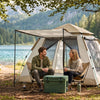
This guide walks you through the EN/ISO 23537 standard, comfort and limit ratings, and practical warmth tips. By the end, you will know exactly which bag fits your next trip — and how to pair it with the right shelter, like a reliable tent from Finvizo.
What Is a Sleeping Bag Temperature Rating
A sleeping bag temperature rating is the manufacturer's estimate of the lowest air temperature at which the bag will keep an average sleeper warm. It is a lab-tested guideline, not a personal guarantee of comfort.
Ratings help you compare bags quickly. A bag rated to 20°F is designed for colder conditions than one rated to 40°F. The lower the number, the more insulation the bag typically carries, and the colder the trips it can handle.
How Temperature Ratings Work
Modern ratings follow the EN/ISO 23537 standard (formerly EN 13537). In this lab test, a heated mannequin wearing base layers lies inside the bag on an insulated pad, and sensors measure heat loss at controlled temperatures.
The test produces three standardized numbers. The comfort rating reflects the temperature at which an average woman sleeps comfortably. The limit rating reflects the lowest temperature at which an average man sleeps without waking from cold. The extreme rating is a survival-only figure, not a comfort figure.

Sleeping Bag Ratings by the Numbers
Here is a practical way to think about typical ranges:
- Summer bags (32°F / 0°C and above): best for warm nights, festivals, and low-altitude summer camping.
- 3-season bags (15°F to 30°F / -9°C to -1°C): the versatile choice for spring, summer, and fall trips.
- Winter bags (15°F / -9°C and below): built for snow camping, alpine trips, and cold-weather backpacking.
When comparing two bags, always check whether the number listed is the comfort rating or the limit rating. A "20°F bag" based on its limit rating will feel closer to a 30°F bag in real comfort for many sleepers.
Common Myths About Temperature Ratings
Myth 1: The rating guarantees warmth. It does not. Your metabolism, clothing, sleeping pad, wind exposure, and even whether you ate dinner all change how warm you sleep.
Myth 2: A lower rating is always better. Overly warm bags are heavy, bulky, and sweaty in mild weather. A bag matched to your season is more comfortable than the warmest bag on the shelf.
Myth 3: The bag does all the work. Your sleeping pad's R-value matters enormously. A great bag on a thin pad will still leave you cold because the ground pulls heat from your body.

Practical Tips for Staying Warm
Wear dry base layers and a beanie to bed. Change out of damp clothes before you crawl in. Eat a snack before sleeping — digestion generates heat overnight.
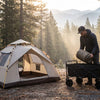
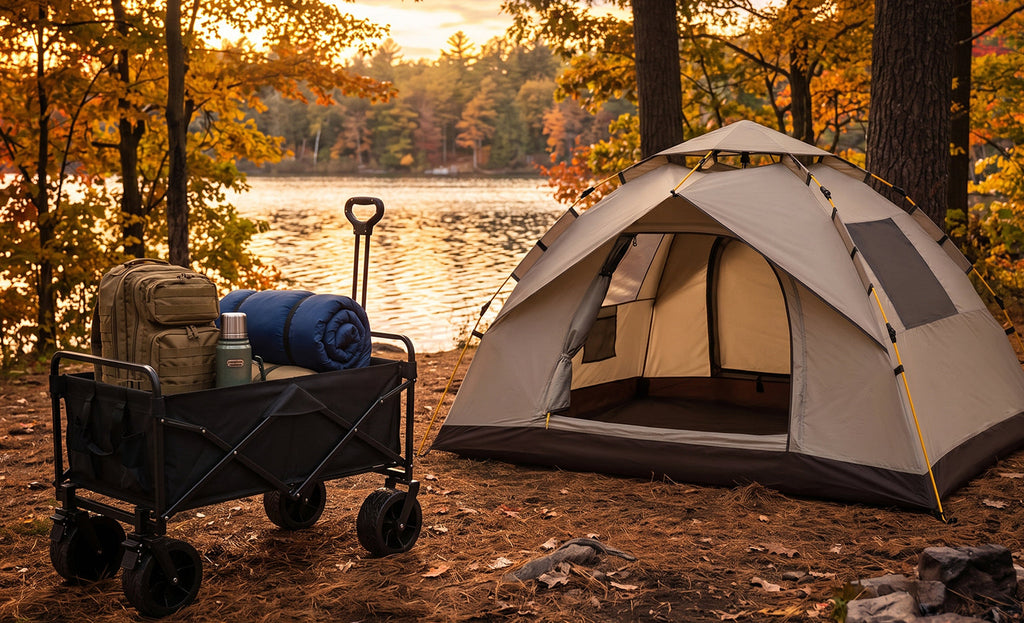
Pair your bag with an insulated pad rated R-4 or higher in winter. Use your tent's ventilation to reduce condensation, because damp insulation loses warmth fast. For basecamp-style trips, haul extra blankets and gear in a Finvizo folding wagon cart (460lbs capacity) so comfort never stays behind at the trailhead.
One thing I wish someone had told me earlier: your sleeping pad matters as much as your bag. A 20°F bag on a thin summer pad still sleeps cold, because the ground steals heat faster than the air does. If you're cold at night, upgrading from an R-2 pad to an R-4 or higher often fixes it for less money than a new bag.
How to Choose the Right Rating for Your Trip
Start with the coldest overnight low you realistically expect, then subtract 10°F as a safety buffer. Camping in the shoulder season where lows hit 35°F? Choose a bag with a comfort rating near 25°F.
Know your own sleep style. Cold sleepers and many women should shop by the comfort rating. Warm sleepers can use the limit rating as their guide. Never plan a trip around the extreme rating.
Finally, think about your shelter system. A draft-proof tent from the Finvizo Tent Collection blocks wind and can add meaningful warmth to your whole setup. For deep-winter trips, consult our winter camping cold-weather checklist before you pack.

FAQ
What temperature rating do I need for summer camping?
For typical summer camping above freezing, a bag rated 32°F to 40°F (0°C to 4°C) is enough. If nights at your elevation drop lower, choose a 20°F 3-season bag for safety and versatility.
Is the comfort or limit rating more important?
Most sleepers should use the comfort rating, since it reflects sleeping without feeling cold. Cold sleepers especially should never rely on the limit rating. The extreme rating is for survival scenarios only, never for trip planning.
Can I make my sleeping bag warmer?
Yes. Add a sleeping bag liner (5–15°F of warmth), upgrade to a higher R-value pad, wear dry layers and a hat, and sleep inside a windproof tent. Eating before bed and staying hydrated also help your body generate heat.
Gear Up for Warmer Nights Outdoors
The right temperature rating is only half the equation — your shelter seals the deal. A quality tent blocks wind, traps warmth, and turns a good bag into a great night's sleep. Ready to build your cold-weather sleep system? Shop the Finvizo Tent Collection and get your camp wagon from the Finvizo Wagon Cart Collection to haul it all.
Related Guides
- Finvizo 600lbs Tailgate Wagon Cart
- Wagon vs Wheelbarrow: Which Is Better for Gardening?
- Winter Camping Cold-Weather Checklist

Written by Vivian J
Product Manager at Finvizo and an avid camper who tests gear on real trails. She writes from hands-on field experience to help you pick equipment that actually holds up outdoors.