Stargazing Overnight: Minimal Gear for Dark Sky Parks
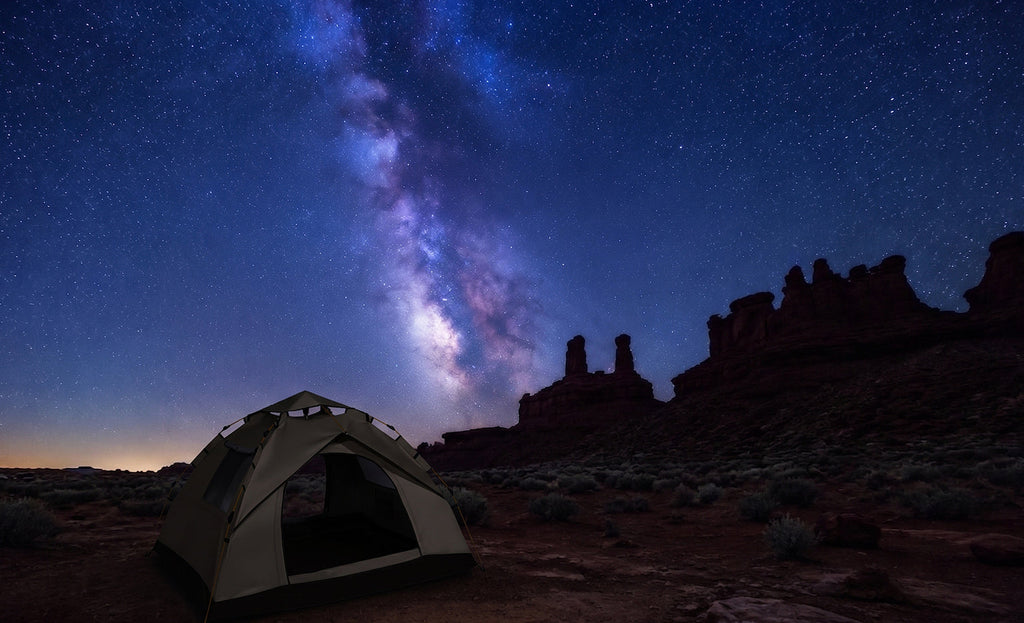
TL;DR: Minimal stargazing gear comes down to protecting your night vision and your comfort: a red-light headlamp (white light resets the 20-30 minutes your eyes need to dark-adapt), a warm layer, a pad, and a 40-50 liter pack to carry it all. Time your trip around the new moon, arrive before sunset to set up, and let your eyes do the rest.
Stargazing Overnight: Minimal Gear for Dark Sky Parks
Planning a stargazing overnight minimal gear trip in a dark sky park is easier than you think. The secret to a great stargazing overnight minimal gear setup is carrying only what protects you, keeps you comfortable, and lets your eyes do the real work. This guide shows you exactly what to pack, how to time the moon, and how Finvizo gear fits into a light, smart kit.
What Is Overnight Stargazing
Overnight stargazing means camping out where light pollution is nearly zero, so the Milky Way, planets, and meteor showers appear with the naked eye. You sleep under or near the stars and wake before dawn for the darkest hours.
Dark Sky Parks are protected areas certified for exceptional night sky quality. There are now roughly 200 certified International Dark Sky Places worldwide, from deserts in Utah to mountain reserves in Europe. Each one is ranked on the Bortle scale, a 1-to-9 measure of sky darkness, where Class 1 offers the most stars visible.
Essential Gear
Protection
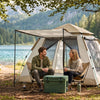
A reliable shelter is your first priority. The 2-Person Backpacking Tent from Finvizo weighs little, sets up fast, and blocks wind and dew while leaving room for two sleeping pads. Add a warm sleeping bag rated ten degrees below the forecast low, because clear nights radiate heat quickly.
Carrying
Keep your load under 20 pounds. A 40-50 liter pack from the Finvizo Backpack Collection holds a tent, bag, pad, water, and a red-light headlamp. Skip chairs and heavy cookware; a simple sit pad and one insulated bottle are enough for one night out.
Hydration & Comfort
Carry two liters of water per person, plus salty snacks to stay warm. Pack the Finvizo 3D Sleep Mask for daytime naps or for sleeping past sunrise, since its contoured cups block light without pressing on your eyes. A puffy jacket and beanie round out comfort in cold, dry air.

How to Pack for a Dark Sky Trip
Start with shelter and sleep gear at the bottom of your pack, then add water, food, and layers you will grab after sunset. Keep your red headlamp and warm jacket in the top pocket for fast access at the trailhead.
Pack by weight, not by wish. Lay everything out, remove duplicates, and ask whether each item protects you, hydrates you, or keeps you warm. If it does none of those three, leave it home. Browse the Finvizo Tent Collection for shelters built around this minimal philosophy.
Stargazing Tips
- Give your eyes 20-30 minutes to dark-adapt. Rod cells in your retina need roughly 20 to 30 minutes in full darkness to reach peak sensitivity. Avoid your phone screen during this window.
- Use red light only. Red wavelengths preserve night vision far better than white light. Use a red headlamp or tape red cellophane over a flashlight.
- Time your trip around the new moon. The darkest skies fall within three to five days of the new moon, when moonlight cannot wash out faint stars and the Milky Way core.
- Arrive before sunset. Setting camp in daylight lets you scout terrain, avoid hazards, and be settled before astronomical twilight ends.
- Look a little to the side. Averted vision, viewing faint objects slightly off-center, uses the most light-sensitive part of your retina and reveals dimmer stars.
Using Your Finvizo Tent and 3D Sleep Mask
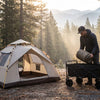
Pitch your Finvizo 2-Person Lightweight Tent on flat, open ground with the door facing the darkest horizon. Stake it fully, since clear-sky nights in deserts and mountains often bring surprising wind gusts after midnight.
At dawn, skylight floods camp long before you want to wake. Slip on the Finvizo 3D Sleep Mask to keep sleeping; its three-dimensional eye cavities create total blackout without touching your eyelids. See how it compares in our 3D Sleep Mask vs Flat Mask pressure test. For very short trips, the 2-4 Person Pop Up Tent is another fast option.

Safety in Dark Sky Parks
Dark sky destinations are remote by design. Tell someone your plan and expected return, download offline maps, and check weather twice. Cell service is unreliable in most certified parks, so carry a physical map or satellite messenger for emergencies.
Watch for wildlife at night, store food away from your tent, and never walk beyond your campsite without a red light. Cold is the other real risk: even summer desert nights can drop below 50 degrees Fahrenheit, so pack one more layer than you expect to need.

FAQ
What is the best time of month for stargazing?
The week around the new moon is best. Moonless skies let you see the Milky Way and faint nebulae that disappear under even a quarter moon. Check a lunar calendar and aim for the three to five nights when the moon rises after dawn.
Do I need a telescope for a dark sky park?
No. Under a Bortle Class 1 or 2 sky, your naked eyes reveal thousands of stars, the Milky Way band, satellites, and meteor trails. Binoculars are a nice lightweight upgrade, but a telescope is optional, not essential.
How do I keep my night vision while camping?
Use only red light after dark, dim every screen to its lowest setting, and avoid looking at car headlights or campfires directly. If you accidentally see white light, your full dark adaptation takes another 20 to 30 minutes to rebuild.
Ready for Your Night Under the Stars?
A minimal kit, a dark sky, and a new moon are all you need for an unforgettable night. Gear up light with Finvizo and spend your energy on the sky, not your pack weight.
Shop the Finvizo Tent Collection and start planning your dark sky trip today.
Related Guides
- Finvizo Tent Collection
- Winter Camping Cold Weather Checklist
- 3D Sleep Mask vs Flat Mask Pressure Test
Learn more about certified dark sky locations at the International Dark-Sky Association, and deepen your observing skills with resources from Sky & Telescope.

Written by Vivian J
Product Manager at Finvizo and an avid camper who tests gear on real trails. She writes from hands-on field experience to help you pick equipment that actually holds up outdoors.