How to Purify Water in the Wilderness: 5 Methods
TL;DR: Five proven ways to purify wilderness water: boil at a rolling boil for 1 minute (3 minutes above 6,500 feet), filter through 0.2-micron pores to block Giardia, use chlorine dioxide tablets (30 minutes to 4 hours contact time), run a UV purifier, or solar-disinfect in a PET bottle for 6 hours of full sun. Boiling is the fallback that never fails.
How to Purify Water in the Wilderness: 5 Methods
When you learn how to purify water wilderness methods become second nature, and every backcountry trip gets safer. The right purify water wilderness methods protect you from bacteria, viruses, and parasites hiding in even the clearest streams.
Whether you are out for a weekend or a week-long trek, untreated water is one of the biggest risks you face. This guide breaks down five proven techniques and the science behind them.
What Is Wilderness Water Purification?
Wilderness water purification means removing or killing harmful microorganisms in natural water sources so you can drink them safely. Streams, lakes, and springs often carry pathogens left behind by wildlife and other hikers.
The main threats are protozoa like Giardia and Cryptosporidium, bacteria like E. coli, and viruses like norovirus. Each method targets a slightly different set of contaminants, so the differences matter.
How the 5 Purify Water Wilderness Methods Work
1. Boiling
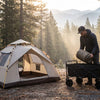
Boiling is the oldest and most reliable purify water wilderness method. Bring water to a rolling boil for at least 1 minute. Above 6,500 feet (2,000 meters), boil for 3 minutes because water boils at a lower temperature.
Boiling kills bacteria, viruses, and protozoa, including Giardia. It requires only a pot and a heat source, though it costs fuel and time. Strain sediment first if the source is cloudy.
2. Water Filters
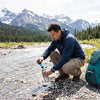
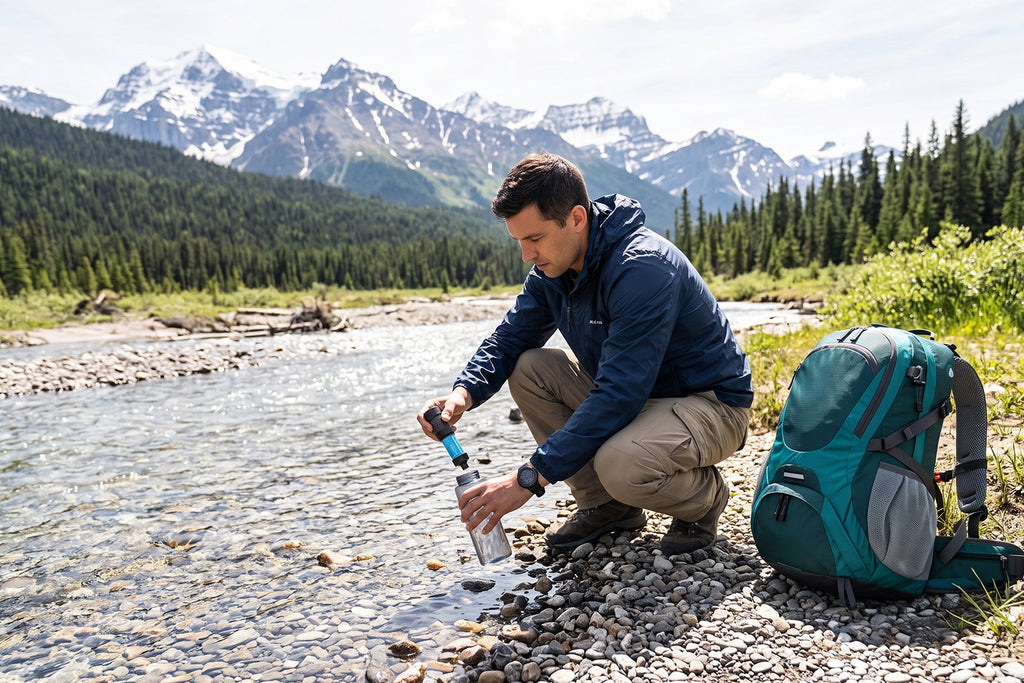
Backpacking water filters physically strain contaminants through a membrane. Look for a pore size of 0.2 microns or smaller, which removes bacteria and protozoa like Giardia and Cryptosporidium.
Standard filters do not remove viruses, which are far smaller than 0.2 microns. In heavily trafficked water sources, pair your filter with tablets or UV for full protection.
3. Purification Tablets
Chemical tablets use chlorine dioxide or iodine to kill pathogens. Chlorine dioxide is effective against bacteria, viruses, and Giardia, and lighter than any filter. Drop a tablet in, wait, and drink.
The trade-off is time: contact ranges from 30 minutes to 4 hours depending on water temperature and target pathogen. Tablets are an ideal lightweight backup when your primary method fails.
4. UV Purifiers
UV purifiers use ultraviolet light to scramble the DNA of bacteria, viruses, and protozoa, rendering them harmless. A typical cycle treats one liter in about 90 seconds, with no chemical taste.
UV works best in clear water, since sediment can shield microbes from the light. Pre-filter cloudy water first. These devices rely on batteries, so carry a backup on longer trips.
5. Solar Disinfection (SODIS)
Solar disinfection uses the sun's UV-A rays to kill pathogens in clear plastic bottles. Fill a PET bottle and lay it in full sun for at least 6 hours, or 2 days if cloudy.

SODIS costs nothing and works well in sunny climates. Its limits are volume, weather dependence, and the need for clear water. It is a solid emergency option when other methods fail.
Wilderness Water Purification by the Numbers
- 1 minute — rolling boil time at elevations under 6,500 feet
- 3 minutes — boil time above 6,500 feet
- 0.2 microns — filter pore size needed to block Giardia and Cryptosporidium
- 30 min to 4 hours — chlorine dioxide contact time
- 6 hours — minimum SODIS exposure in full sun
The CDC identifies Giardia as one of the most common causes of waterborne illness in the United States, and backcountry drinking water is a frequent exposure route. See the CDC's Giardia prevention guidance and the EPA's emergency water disinfection guidelines for official protocols.
Common Myths About Purifying Water in the Wilderness
Myth 1: Clear, fast-moving water is safe. Flowing water looks clean but can carry Giardia from animals upstream. Always treat it, no matter how pristine it appears.
Myth 2: Altitude makes water safer. Elevation changes boiling times, not pathogen presence. High alpine streams still need treatment before you drink.
Myth 3: A filter removes everything. Standard filters miss viruses. In high-risk areas, combine methods for complete protection.
Practical Tips for Safe Backcountry Water
Collect water from the clearest source available, ideally upstream from camps and trails. Let sediment settle, or pre-filter through a bandana, to improve every method's effectiveness.
Carry at least two treatment options. A filter plus backup tablets weighs little and keeps you covered if gear breaks. Keep one clean bottle reserved for drinking only.
How to Choose Gear for Multi-Day Trips
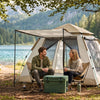
Your shelter and pack matter as much as your purifier on extended trips. The Finvizo 2-Person Backpacking Tent gives you a dry basecamp for boiling and treating water in bad weather, without excess weight.

For capacity, the Finvizo 50L Camping Backpack swallows a filter, tablets, cookware, and bottles with room to spare. Organized compartments keep clean water gear separate from wet equipment.
Explore the full Finvizo Tent Collection and Finvizo Backpack Collection to build a complete multi-day kit. For faster setup at established sites, try the Finvizo 2-4 Person Pop Up Tent.

FAQ
How long should I boil water to purify it in the wilderness?
Bring water to a rolling boil for at least 1 minute. Above 6,500 feet, extend that to 3 minutes. Boiling kills bacteria, viruses, and protozoa, including Giardia.
What micron rating do I need in a backpacking water filter?
Choose 0.2 microns or smaller to remove bacteria and protozoa. Standard filters miss viruses, so add tablets or UV when viruses are a concern.
Do purification tablets kill Giardia?
Yes. Chlorine dioxide tablets kill Giardia, bacteria, and viruses. Allow 30 minutes to 4 hours of contact time depending on temperature and clarity.
Is clear mountain stream water safe to drink untreated?
No. Even crystal-clear water can harbor Giardia and E. coli from wildlife. The CDC recommends treating all backcountry water before drinking.
Final Thoughts
Mastering these five purify water wilderness methods means you can drink safely anywhere the trail takes you. Pair the right technique with reliable shelter, and water stops being a worry.
Ready for your next adventure? Gear up with the Finvizo Tent Collection and hit the backcountry with confidence.
Related Guides
- Winter Camping Checklist: Your Cold-Weather Guide
- Finvizo 2-Person Backpacking Tent
- Finvizo 50L Camping Backpack

Written by Vivian J
Product Manager at Finvizo and an avid camper who tests gear on real trails. She writes from hands-on field experience to help you pick equipment that actually holds up outdoors.