Wilderness First Aid Basics Every Camper Should Know
TL;DR: Wilderness first aid starts with the injuries you'll actually see: about 70% are soft-tissue like sprains. Know the big numbers — direct pressure stops most bleeding in 10-15 minutes, hypothermia begins at a 95°F core temperature, and heat stroke at 104°F gives you about 30 minutes to start aggressive cooling. A small, well-chosen kit covers the rest.
Wilderness First Aid Basics Every Camper Should Know
Learning wilderness first aid basics is one of the smartest investments you can make before your next camping trip. Once you hike beyond the trailhead, you leave quick ambulance access behind, and wilderness first aid basics become your safety net. The National Park Service reports thousands of backcountry rescues every year — many involving injuries you could stabilize yourself.
What Is Wilderness First Aid?
Wilderness first aid is medical care given when you are more than one hour away from professional medical help. That single hour changes everything: you cannot simply call 911 and wait. You must assess, stabilize, and sometimes treat injuries for hours until evacuation is possible.
Unlike urban first aid, wilderness care assumes limited supplies, harsh weather, and delayed rescue. A sprained ankle that is a minor inconvenience in the city can end a trip 10 miles from the road. That is why these skills are the foundation of your outdoor emergency preparedness.

How Wilderness First Aid Works
Wilderness medicine follows a logical sequence, from the big picture down to specific injuries — always protecting yourself first and your patient second.
Scene Assessment & Patient Assessment
Before you touch anyone, scan the scene. Falling rocks or unstable terrain can turn one victim into two. Once the area is safe, get consent and run a head-to-toe exam — it takes about two minutes and reveals injuries you might otherwise miss.
ABCs
Check Airway, Breathing, and Circulation first. If your patient's airway is blocked or breathing has stopped, nothing else matters. Clear obstructions, support breathing, and control major bleeding before moving on.
Wound Care & Bleeding Control
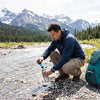
Irrigate wounds with clean, disinfected water — studies show this significantly reduces infection. Apply firm direct pressure with gauze. Most bleeding stops within 10 to 15 minutes, so do not peek; lifting the cloth restarts the clock.
Fractures & Sprains
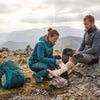
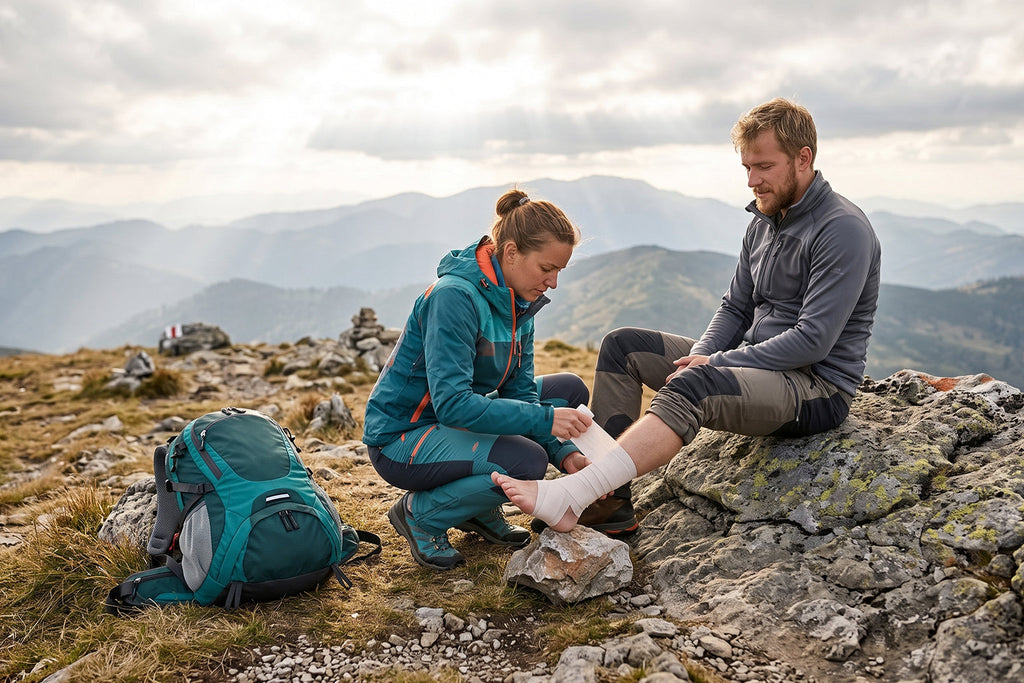
About 70% of outdoor injuries are soft-tissue injuries like sprains. For sprained ankle treatment, use RICE: Rest, Ice (cold stream water works), Compression, and Elevation. Suspect a fracture? Splint the limb in the position you found it, with padding to prevent pressure points.
Environmental Emergencies
Hypothermia treatment begins when core temperature drops below 95°F (35°C): remove wet clothes, add dry insulation, and block the wind. At the hot end, learn heat exhaustion symptoms — heavy sweating, nausea, dizziness — before they escalate to deadly heat stroke.
Wilderness First Aid by the Numbers
- 95°F (35°C): the threshold where hypothermia officially begins.
- 104°F (40°C): heat stroke territory — you have a golden window of about 30 minutes to start aggressive cooling.
- 10–15 minutes: how long to hold direct pressure on bleeding before checking.
- 70%: the share of outdoor injuries that are soft-tissue damage — sprains, strains, bruises.
- 1 hour: the distance from professional care that defines a wilderness setting.

Common Myths
Myth 1: Suck the Venom Out of Snake Bites
Suction does not remove meaningful venom, and cutting the wound raises infection risk. Keep your patient calm, immobilize the limb at heart level, note the time, and evacuate.
Myth 2: Alcohol Warms You Up
Whiskey makes you feel warm while actually lowering core temperature by dilating skin blood vessels — the opposite of hypothermia treatment. Choose warm, sweet, non-alcoholic drinks instead.
Myth 3: Apply Heat to a Sprain Immediately
Heat increases swelling in the first 48 to 72 hours. Proper sprained ankle treatment starts with cold, not warmth. Use cold stream water or an ice pack in the field.
Myth 4: Boiling Water for 1 Minute Always Purifies It
One minute works at low elevations, but above roughly 6,500 feet you should boil for three minutes. A quality filter removes 99.9% of pathogens with no fuel at all.
Practical Tips: Building Your Camping First Aid Kit
For a two-person weekend, keep your wilderness first aid kit under two pounds and focused on the most likely scenarios:
- Gauze, bandages, and medical tape for wound care.
- Elastic bandage for sprained ankle treatment and compression.
- Antihistamines and hydrocortisone cream for insect bites.
- Moleskin — apply at the first hot spot, because blister prevention beats blister treatment.
- Tweezers, antiseptic wipes, an emergency blanket, and a moldable splint.
Formal training multiplies these tools. The American Red Cross first aid courses and NOLS Wilderness Medicine programs teach hands-on skills no article can replace.
How to Choose Gear for Emergency Preparedness
The right gear multiplies your skills. The Finvizo 50L Camping Backpack keeps your first aid kit in a dedicated compartment, accessible when seconds matter — see the full backpack collection.
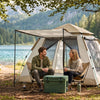
A fast-pitching tent doubles as emergency shelter against wind and rain, a core element of hypothermia prevention. Browse the Finvizo tent collection for your group size.

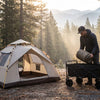
And the Finvizo Folding Wagon Cart hauls up to 600 lbs — enough to move an injured companion's gear or support an evacuation back to the trailhead.
FAQ
Do I need wilderness first aid training for car camping?
Yes. Even campgrounds can sit 30 to 60 minutes from the nearest clinic, and camping first aid essentials cover the burns, cuts, and allergic reactions that happen close to your car too.
How heavy should my first aid kit be?
For a two-person weekend, one to two pounds is realistic. Prioritize the injuries you will most likely face: wounds, blisters, insect bites, and sprains.
What is the single most important skill?
Patient assessment. A calm, systematic head-to-toe exam tells you whether you can treat in place or must evacuate — every certified course builds on it.
Ready to Camp Safer?
Wilderness first aid basics are not about fear — they are about freedom. When you can handle bleeding, sprains, hypothermia, and heat emergencies, you explore further with genuine confidence.
Pair your knowledge with reliable gear. Shop the Finvizo Full Collection for backpacks, tents, and camping essentials built for real outdoor emergencies.
Related Guides
- Browse All Finvizo Camping Gear
- Choosing the Right Camping Tent for Your Trip
- How to Pack a Backpack for Multi-Day Hikes

Written by Vivian J
Product Manager at Finvizo and an avid camper who tests gear on real trails. She writes from hands-on field experience to help you pick equipment that actually holds up outdoors.