Camping Gear Size Selection Guide
Choosing the right size for your camping gear does not just come down to picking the largest available option, it means matching every piece to your group size, vehicle space, trip length and the specific way you like to camp. Many campers end up with gear that is too bulky to transport comfortably or too cramped to use properly, simply because they skipped the small, practical steps that align gear dimensions with their real needs. This guide walks through hands-on, actionable checks that help you avoid the common frustration of having plenty of listed capacity on paper, but no usable space for your actual trip.
Match shelter dimensions to your real occupancy needs
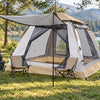
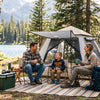
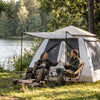
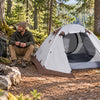
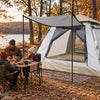
Start by counting every person who will sleep inside the shelter, then add extra space for the gear you plan to store inside overnight. A two-person rated shelter will only fit two average adults with very little extra room, so if you want space to keep backpacks, boots and small personal items out of the rain, you will need to size up one level to get the extra floor area you need. Measure the height of the tallest person in your group, and confirm the peak interior height is tall enough for them to sit up comfortably without hitting their head on the ceiling. Check the width of each sleeping area to make sure there is enough space between two sleeping pads so no one is constantly bumping elbows in the middle of the night. If you plan to bring pets inside the shelter, add at least one extra foot of floor space for their bed and any gear they travel with, so they do not end up taking over half the usable sleeping area.
Align sleep system dimensions with your body type
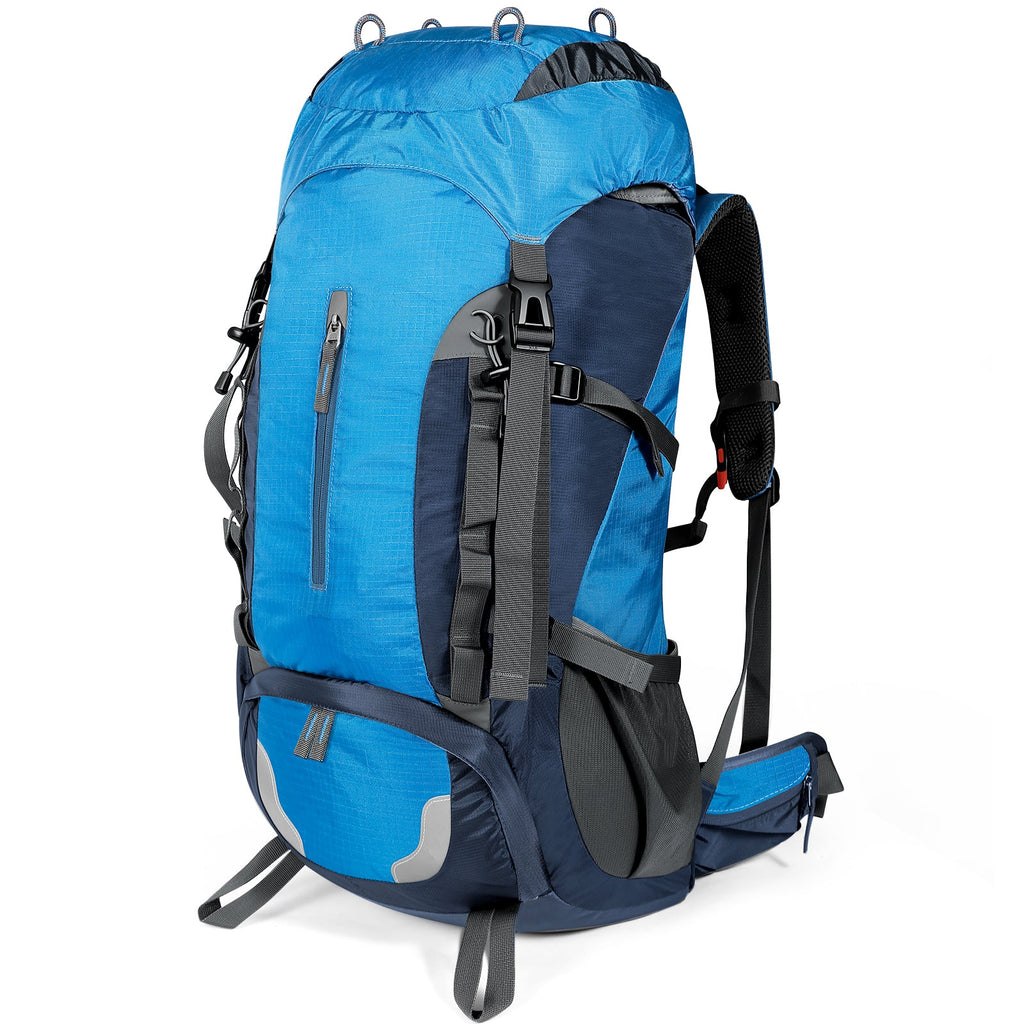
Measure your height from the top of your head to the bottom of your feet, then pick a sleeping bag that adds at least 6 to 8 extra inches of length beyond that measurement. This extra space lets you move your feet freely inside the bag, and keeps the zipper from riding up your calves when you roll over in the night. For sleeping pads, prioritize width over length if you tend to shift around a lot while you sleep, so you do not roll off the edge onto the cold ground halfway through the night. If you prefer to use a camp cot, make sure the cot’s length leaves a few inches of clearance at both your head and your feet, so your ankles do not hang over the hard edge when you stretch out fully. Test the total packed size of your sleep system to confirm it fits easily inside the main compartment of your backpack or the designated storage spot in your vehicle, so you do not end up strapping a bulky oversized sack to the outside where it catches on branches or drags on the ground.
Calculate vehicle cargo space before you finalize gear sizes
Measure the total usable cargo space in your vehicle with the rear seats folded completely flat, and note both the height from the floor to the ceiling and the width between the wheel wells. Many campers only check the listed total cargo volume and forget that the narrow space between wheel wells cuts down on the maximum width of gear that can fit through the tailgate opening. Start by measuring your largest, bulkiest pieces of gear first, like your fully packed cooler and your fully assembled shelter, to make sure they can slide through the tailgate opening without getting stuck. For two campers on a short weekend trip, a compact vehicle will usually fit all core gear plus food and extra layers, but for four campers on a multi-day trip, you will need extra space for all the individual sleep systems, chairs and shared cooking supplies. Leave at least 20 percent of your total cargo space empty for quick-access items you need to reach during long drives, so you do not have to unload half the vehicle just to grab a water bottle or a map.
Size camp kitchen gear to match your group size and trip length
Count the total number of people you will cook for on a typical trip, then pick cooking vessels that hold enough food and water to serve everyone in one or two rounds, so you do not have to spend extra time making multiple small batches of meals. Make sure the total footprint of your camp stove and prep surface fits on the table space you plan to bring, so there is still room left over for plates, utensils and small personal items. For trips longer than three days, size your water storage containers to hold enough extra water that you do not have to stop at every small town to refill, especially if you are camping in remote areas with limited resupply points. Check the packed size of all your camp kitchen pieces to confirm they fit inside a single dedicated storage bin, so you do not end up with loose small parts rolling around the bottom of your vehicle where they get lost or damaged.
Adjust gear size for your specific camping style
If you mostly car camp at developed sites with short walks from the parking spot to your tent, you can prioritize larger, more comfortable gear sizes since you do not have to carry them far. If you plan to hike several miles to a remote backcountry site, every extra inch of gear length and every extra pound of weight adds up over the course of the trail, so you will want to pick the smallest possible size that still fits your body and your core needs. For winter camping trips, add extra space in your shelter to store bulky cold-weather layers and extra sleeping pads, so you do not end up piling all your gear on top of your sleeping bag to stay warm. For family camping trips with small children, add extra floor space in the shelter for play areas and extra storage for toys, extra clothes and kid-specific gear that takes up more room than standard adult equipment.
Frequently Asked Questions
Should I buy a tent based on the manufacturer's occupancy rating?
In my experience, you should size up. A two-person tent fits two adults tightly, but leaves little room for gear. If you want to store backpacks, boots, or personal items inside, I recommend choosing a shelter one level higher than your group size. Don't forget to add an extra foot of floor space if you are bringing pets along so they have room for their own bed.
How do I make sure my sleeping bag is the right length?
When I test sleeping bags, I always measure my height from head to toe and select a bag that adds at least 6 to 8 extra inches. This extra length is essential because it allows your feet to move freely and prevents the zipper from riding up your calves when you roll over during the night. It makes a significant difference in overall comfort.
What is the best way to check if my gear will fit in my vehicle?
Don't just rely on total cargo volume numbers. I always measure the height from the floor to the ceiling and the width between the wheel wells with the seats folded flat. The space between wheel wells is often narrower than the rest of the trunk, which can prevent bulky items like coolers from fitting through the tailgate. Always measure your largest pieces of gear first.
How should I plan my camp kitchen size for longer trips?
I suggest picking cooking vessels that serve your entire group in one or two rounds to save time. For trips lasting longer than three days, ensure your water containers are large enough to avoid frequent stops for refills. Finally, I always pack my kitchen gear into one dedicated bin to keep small parts from getting lost or damaged while traveling.
Related reading
- Camping Gear Feature Comparison Guide
- Digital Nomad Outdoor Setup: Work from the Wilderness
- Camping Gear Setup & Takedown: A Step-by-Step Field Guide

Vivian J is a Product Manager at Finvizo and an avid outdoor enthusiast. She tests gear on real trails and writes from hands-on field experience to help readers choose equipment that performs reliably outdoors.