Camping Gear Choosing Guide
Choose camping gear by matching equipment specs to your specific destination's terrain, weather patterns, and the physical demands of your planned activities.
Main answer
Start your gear selection process by mapping out every detail of your intended camping environment first. A spot tucked deep in a dense old-growth forest will have different ground conditions, wind patterns and even bug activity than an open high-altitude meadow that sits under direct sun all day. Note down the typical sunrise and sunset times for your trip window, the average overnight low, and how much natural shelter from wind or rain your chosen campsite naturally provides. This baseline information acts as a steady reference point every time you evaluate a new piece of gear, so you never end up with something that does not fit the exact space you will be staying in.
Build your sleep system around the specific ground surface you will set it on. Hard packed rocky soil, soft damp moss, and flat sandy lake shores all interact differently with the layers you use between you and the earth. Think about how much airflow you need under your body to avoid condensation buildup overnight, and how much cushion will keep your pressure points comfortable even after 8 hours of rest. You do not need extra bulk to get a great night’s sleep, but matching your setup to the ground will eliminate that common restless feeling that makes people drag through their whole next day at camp.
Design your carry setup to move smoothly between different access points. Some campers only need to haul their gear 10 steps from their parked vehicle to their spot, while others will navigate narrow hiking trails, cross small shallow streams, and even climb over fallen logs on their way in. Adjust the shape and weight distribution of your load to match these movements, so nothing shifts around or catches on tree branches while you walk. A well tuned carry system turns a tedious trek into a casual part of the adventure instead of a frustrating chore you dread before you even start.
Essential Gear Specifications
When selecting equipment, focus on these performance metrics verified for Finvizo products to ensure your gear meets the physical demands of your trip.
| Gear Category | Key Metric | Specification |
|---|---|---|
| Pop-Up Tents | Setup Time | 60 seconds (2/4 Person) |
| Cabin Tents | Setup Time | About 2 minutes |
| Camping Backpacks | Max Load Capacity | 33 lb to 50 lb |
| Sun Protection | UPF Rating | UPF 50+ |
| Wagon Carts | Load Capacity | 460 lb to 600 lb |
Data verified on 2026-09-16. Source: Finvizo Product Pages.
Step-by-Step Gear Selection Process
Follow these steps to streamline your preparation and ensure you have the right tools for your specific outdoor environment.
Step 1: Analyze Your Environment
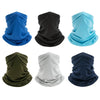
Determine the terrain and climate of your campsite. If you are heading to a sunny area, prioritize gear with UV protection like our cooling neck gaiters. For high-wind areas, ensure your tent choice offers stable structural support.
Step 2: Evaluate Load Requirements
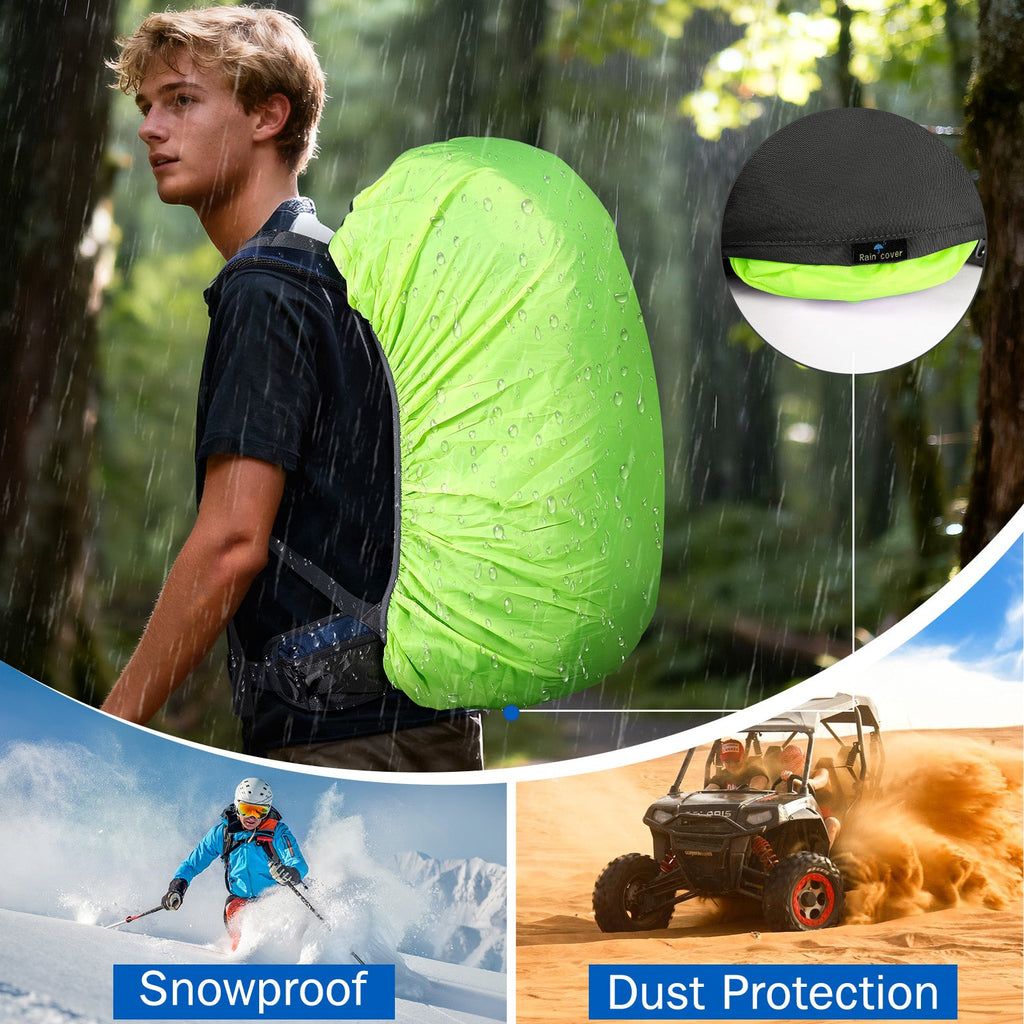
Assess how far you must carry your gear. If your campsite is accessible by vehicle, a collapsible wagon like the folding-wagon-cart-big-wheels-460lbs is ideal. For backcountry hiking, choose a structured backpack such as the hiking-backpack-55l-suspension.
Step 3: Implement Regular Maintenance
Consistent care extends the life of your equipment. Use the camping-gear-maintenance-guide to learn how to clean zippers, waterproof fabrics, and store collapsible items properly. Always perform a camping-gear-functionality-checklist before leaving home to avoid mid-trip failures.
Align your cooking setup with the type of fuel access you will have at your location. Some remote campsites have no nearby places to restock supplies, while others sit minutes away from small local stores that carry basic essentials. Think through how many meals you plan to make from scratch, if you will mostly stick to simple pre-prepared foods, and how much leftover heat you can use to warm up drinks after you finish your main meal. This small alignment stops you from getting stuck halfway through your trip with no way to make a hot drink or warm up a meal when the temperature drops after dark.
Prioritize easy maintenance for every piece that will see regular outdoor use. Small parts that can be fixed with basic tools you already carry in your pocket will save you from cutting your trip short if something gets a small tear or a loose connection out on the trail. Avoid designs that rely on tiny specialized parts you cannot easily replace in a remote area, and pick materials that hold up against small scrapes, mud splatters and occasional exposure to damp conditions. You will spend far less time patching things by the fire and far more time watching the sunset or exploring the trails around your campsite.
Plan your layer system to work for both stationary rest and active movement around camp. You might be sitting still for an hour watching the stars after dark, then immediately start hiking up a nearby trail at dawn when the air is crisp. Each separate piece of your clothing setup should be easy to pull on or take off in 30 seconds or less, no matter how bulky your gloves are or how much wind is blowing around you. This flexibility keeps you from getting overheated while moving and avoids that sudden chill that sets in when you stop for a break after working up a light sweat.
Leave room in your overall layout for small emergency add-ons that do not take up much space. These do not need to be heavy or complicated, but they should cover the small unexpected situations that pop up on almost every camping trip. Think about minor first aid needs, quick fixes for torn gear, and small ways to signal for help if you end up further from other people than you planned. These small additions do not add much weight to your pack, but they give you a quiet sense of confidence that lets you relax and enjoy your time outside without constant small worries hanging over you.
Related reading
FAQ
How do I choose the right size tent for my camping trip?
Select a tent based on the number of sleepers and the amount of gear storage required. For example, a 2-person tent is sufficient for two people, but if you need extra room for equipment, consider a larger model or a tent with a porch like the pop-up-camping-tent-porch-3-8-person.
What is the best way to transport heavy camping gear to a campsite?
Use a collapsible wagon if you have vehicle access to your site. Models like the collapsible-wagon-cart-600lbs offer high weight capacities to reduce the number of trips you need to take.
Do I really need specialized clothing for camping?
Yes, specialized layers help manage body temperature and moisture. Items like cooling-neck-gaiter-4-pack or winter-neck-gaiter-fleece-4-pack allow you to adapt quickly to changing weather conditions without changing your entire outfit.

Product Manager at Finvizo and an avid camper who tests gear on real trails. She writes from hands-on field experience to help you pick equipment that actually holds up outdoors.