How to Store Camping Gear in a Small Apartment
A studio or one-bedroom doesn't mean giving up the outdoors. Store camping gear in a small apartment with a system: under the bed, up the walls, behind the door. Here's the system that keeps your kit trip-ready.
Why Proper Gear Storage Matters
A gear pile gets expensive: damp tents mildew, coatings peel, bags lose loft, frames rust. Proper camping equipment maintenance extends gear life 2–3x: real money saved.
Moisture and mildew prevention is rule one: REI's expert advice on gear care says clean and dry before storage.
What You'll Nee
The basics (under $50 total):
- Clear stackable bins so you see contents
- Breathable sacks for fabric gear
- Wall hooks, pegboard, or over-door organizer
- Silica gel packs, labels
- Loose sacks for sleeping bags, not compression sacks
- Measuring tape: measure gaps before buying bins
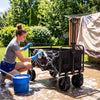
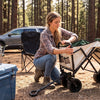
A compact folding wagon that folds flat, like the Finvizo Compact Folding Wagon, slides under a bed or behind a door and hauls your bins to the car.

Step-by-Step: Organize Your Gear in One Afternoon
Step 1: Audit and purge
Sort into keep, donate, and sell piles; anything unused two seasons goes. Camping gear organization is easier when you store less.
Step 2: Clean and dry everything
Spot-clean everything, then dry fully — 24–48 hours for tents and sleeping bags. Even slightly damp fabric invites mildew.
Step 3: Group gear by activity into labeled bins
Sort into clear bins by use: camp kitchen, sleep system, clothing, tools. Labels mean no digging.
Step 4: Go vertical
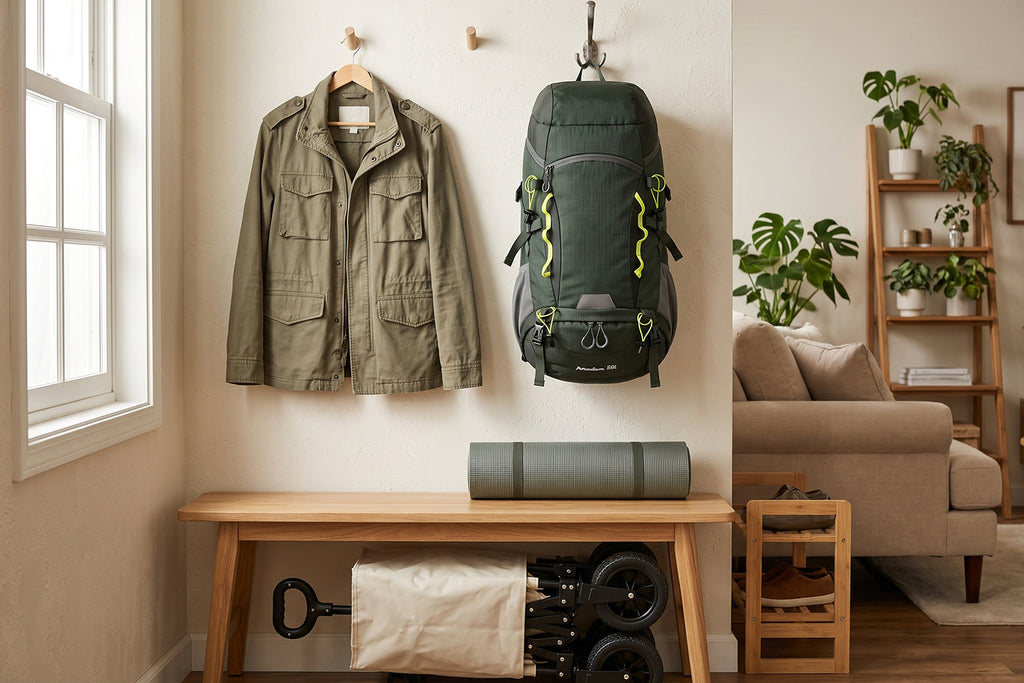
Hang packs, chairs, and lanterns on hooks or a pegboard. Finvizo tents store best loosely rolled in a breathable bag. Renters: Apartment Therapy's small-space storage guide covers no-drill adhesive hooks.

Step 5: Use dead space
Under-bed bins hold pads and off-season clothing; the folded Finvizo wagon slips into an 8–10 inch gap. Hang your 50L ultralight backpack or other Finvizo backpacks on a wall hook.
Step 6: Create a grab-and-go kit
Keep one always-packed bin (headlamp, first aid, fire starter, water filter) cross-checked against our camping gear usage checklist.
Pro Tips for Small-Space Gear Storage
Tip 1: Store gear inside gear
Nest cookware, stash headlamps in cook pots; small items disappear inside bigger ones.
Tip 2: Breathable beats airtight
Tents and sleeping bags need mesh bags with silica gel; airtight bins trap moisture and breed mildew.
Tip 3: Rotate seasonally
Stash off-season gear deep; keep in-season kit handy. Our camping gear daily usage tips post has a 15-minute rotation routine.
Tip 4: Make your gear your decor
Display a good-looking backpack or lantern as wall art; visible gear gets used more.
Tip 5: Use the wagon as a launch pad
Peak season: keep your folding wagon by the door, loaded with go-to bins. Off-season, it folds flat and disappears.
Mistakes to Avoid
- Storing damp gear or airtight fabric bins: the #1 mildew and mold cause
- Keeping sleeping bags compressed: it crushes loft permanently
- Sunlight on soft goods: UV degrades fabrics and coatings
- Overloading hooks or stacking bins on a folded wagon: bent frames and hinges
- Storing fuel wrong: keep it upright, away from heat
Gear Care Frequency Table
Keep every piece trip-ready with this schedule.
| Gear Item | Task | Frequency | Why It Matters |
| Tent | Shake out, spot-clean, air-dry | After every trip | Prevents mildew and coating damage |
| Tent | Seam and waterproofing check | Once per season | Catches leaks early |
| Sleeping bag | Air out; wash per care tag | Air after every trip; wash 1–2× per season | Restores loft, removes odor |
| Sleeping pad | Wipe down, store flat with valves open | After every trip | Prevents internal mold |
| Backpack | Empty, spot-clean straps and buckles | Monthly or after muddy trips | Stops odor and wear |
| Folding wagon | Hose off bed, wipe frame, check wheels, hinges | After every trip + deep check quarterly | Prevents rust, keeps folding smooth |
| Camp kitchen | Deep scrub, dry, check fuel seals | After every trip | Food safety and leak prevention |
| Full kit | Inventory against checklist, refresh silica gel | Start of each season | Nothing missing, no moisture damage |
Replace vs Repair: How to Decide
Repair small stuff: patchable tent tears, zipper sliders, loose buckles, a worn wagon wheel. Replace structural failures: delaminated or mold-infested fabric, broken frame welds, crushed insulation, repairs over 50% of new cost. Ask yourself:
- Safety: could this failure leave me exposed in bad weather?
- Cost: does repair exceed half the replacement price?
- Lifespan: will the fix last more than a season?
Weighing a wagon upgrade? Our folding vs foldable wagon: what's worth buying review breaks down the trade-offs.
Frequently Asked Questions
Where should I store camping gear in a small apartment?
Split it across three zones: under-bed bins for flat items, wall hooks for packs and chairs, and one closet zone for bins. A dedicated corner beats gear scattered everywhere.
How do you store a tent in an apartment without damaging it?
Bone-dry, loosely rolled or hung in a breathable bag — never stuffed tight long-term. Keep it away from heat and sunlight.
How do you prevent mold and mildew on stored camping gear?
Dry everything fully, use breathable bags for fabric gear, and add silica gel to bins. Check stored gear once a season.
Can I store camping gear in a humid basement or garage?
Only hard goods like cookware, in sealed bins with desiccant. Fabric gear — tents, bags, backpacks — belongs in your climate-controlled apartment.
What is the best way to store a folding wagon in a small space?
Fold it flat, wipe it dry, and stand it behind a door or under a bed — it needs only 8–10 inches of depth. Don't stack heavy bins on top.
Build Your Compact Camping Kit
A full camping kit fits in any apartment with the right zones and flat-folding gear. Start with one zone this weekend.

Related Guides & Gear:
- Best Collapsible Wagons for Camping and Beach Trips
- Finvizo wagon carts
- Shop all Finvizo gear
- Camping with Teens: Gear They'll Actually Use
- Folding vs Foldable Wagon: 1 Clear Answer Inside

Written by Vivian J
Product Manager at Finvizo and an avid camper who tests gear on real trails. She writes from hands-on field experience to help you pick equipment that actually holds up outdoors.