Camping in the Pacific Northwest: Rain-Ready Gear
Planning on camping in the Pacific Northwest? Rain gear is not an accessory here—it is the foundation of your trip. This camping Pacific Northwest rain gear guide covers shelters, layers, and campsites that keep you dry from rainforest to alpine lake.
Why the Pacific Northwest Is a Camper's Paradise
Rainforests, Coastlines, and Alpine Lakes in One Region
One trip can span Olympic Peninsula rainforest, Cascade alpine lakes, and Oregon coast surf. Pacific Northwest camping is America's best—paid for in moisture.
Fewer Crowds If You Come Prepared
From October through May, campgrounds empty and trails go quiet. With dialed wet weather camping gear, rain filters out the crowds.
The Pacific Northwest Climate Challenge
How Much Rain Are We Talking About?
The Hoh Rain Forest gets 140+ inches of rain yearly; Seattle averages 150+ rainy days. Even July brings Cascade showers—staying dry while camping takes preparation.
Wet + Cool = The Real Danger (Not Just Discomfort)
Hypothermia can strike at 50°F when you are wet. Cotton traps moisture and kills insulation, so it stays home. The layering logic matches winter—see our cold-weather camping checklist.
Condensation: The Enemy Inside Your Tent
Your breath condenses on a cold rainfly and drips all night. A double-wall waterproof tent with cross-ventilation is non-negotiable here.
Essential Rain-Ready Gear (By Scenario)
Shelter: A Waterproof Tent That Pitches Before the Downpour
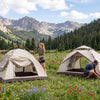
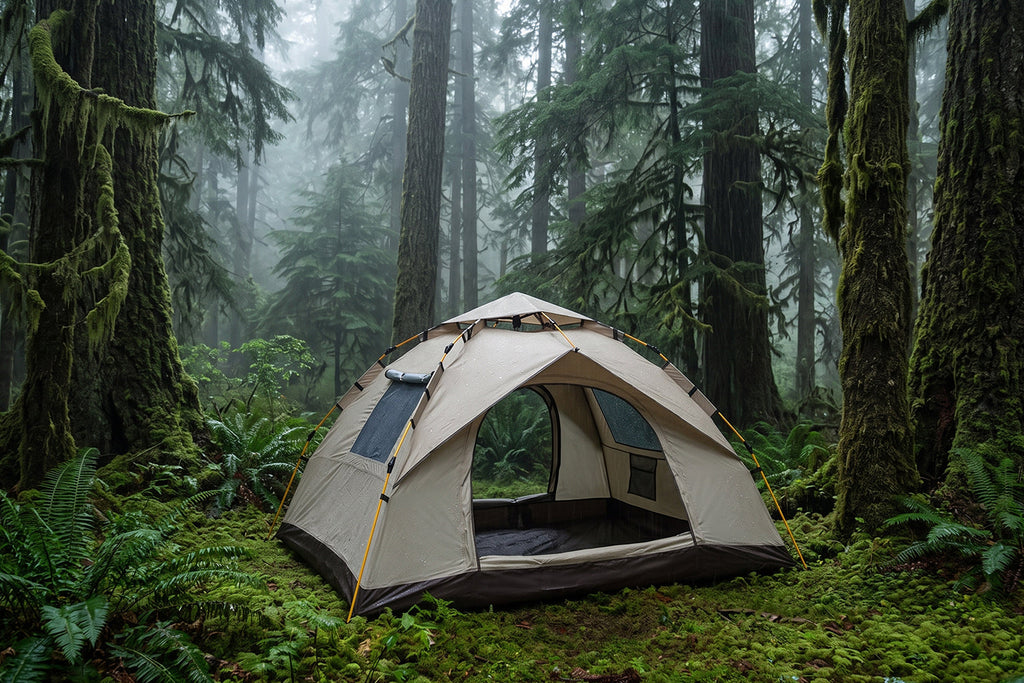
PNW weather flips in minutes. With a 3000mm+ rainfly, taped seams, and a 60-second pitch, the Finvizo Pop-Up Camping Tent (2-4 Person) answers: rain arrives fast—your shelter arrives faster.

Heading deeper? Our lightweight 2-person backpacking tent trims weight, not waterproofing. More storm tactics: REI's guide to backpacking in the rain.
Sleep System: Staying Warm When Everything Is Damp
Pack a 20°F sleeping bag, an insulated pad rated R4+, and a footprint against ground seepage. Dry-bag all sleep gear—one wet sleeping bag at midnight ends trips.
Clothing: Layers That Handle Wet and Sweat
Layer in threes: wicking base (never cotton), fleece or synthetic mid, hard-shell rain jacket and pants. Add waterproof hiking boots and spare quick-dry clothing.
Cooling & Comfort: Yes, Even in the Rain Forest
Counterintuitive but true: summer hikes east of the Cascades run hot; sweat-soaked layers chill you at dusk. Finvizo cooling neck gaiters—soak, wring, wear—pull sweat off before temperatures bite.
Top 4 Rain-Ready Camping Spots in the PNW

Olympic National Park—Hoh Rain Forest Campground
The lower 48's only temperate rainforest, with moss-draped maples and 12 to 14 feet of annual rain. Olympic National Park camping makes tent waterproofing a hard requirement.
Mount Rainier National Park—Cougar Rock Campground
Glacier views and July wildflowers at 3,180 feet, with nights in the 40s even in August—your 20°F bag earns its space here.
North Cascades—Colonial Creek Campground
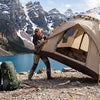
Camp beside turquoise Diablo Lake, far from services. Pack self-sufficiently: extra food, a water filter, and redundant rain protection.
Oregon Coast—Cape Lookout State Park
Wind, surf, and sea fog combine at this pine-forested beach—bring burly stakes. Love it? Explore more underrated camping destinations in the US.
Local Tips from PNW Campers
Book Early, But Keep a Rain-Date Backup
Park sites open six months out and summer weekends vanish. Keep one flex day to pivot east—Leavenworth or Bend—when storms park on the coast.
The East-Side Escape Hatch
The Cascade crest creates a rain shadow: pouring in Seattle, sunny on the eastern slopes. Check both forecasts before canceling anything.
Fire Rules and Critter-Proof Storage
Burn bans are common—bring a canister stove. Hang your food, and wipe tents dry before packing to prevent mildew. Outside's rain-camping tips from NOLS instructors agree.
Rain-Ready Packing Checklist

Shelter & Sleep
Waterproof tent plus footprint, 20°F bag, R4+ pad, dry bags for everything soft. Ready to upgrade? Browse waterproof camping tents.
Clothing & Personal
Hard-shell jacket and pants, two wicking base layers, fleece, cooling towel, waterproof boots, spare wool socks, hat and gloves.
Camp & Safety
Headlamp, spare batteries, canister stove, bear-proof food storage, first-aid kit, offline maps—and dry bags for everything.
FAQ
What do you need for camping in the rain?
You need a fully waterproof tent with a rainfly and taped seams, a waterproof hard-shell jacket and rain pants, moisture-wicking base layers (never cotton), waterproof boots, and dry bags to protect sleep gear. Add a footprint under your tent, a warm sleeping bag, and an extra set of dry camp clothes.
How do you keep your tent dry in the rain?
Pitch on high, well-drained ground with a footprint underneath, keep the rainfly taut and fully staked out, and open vents on opposite sides to prevent condensation. Store gear in dry bags, keep wet clothing in the vestibule, and wipe down interior moisture each morning before it drips onto your sleeping bag.
What is the best time of year to camp in the Pacific Northwest?
July through September offers the driest, most reliable weather for Pacific Northwest camping. May, June, and October bring fewer crowds and lower prices but require full rain gear. Winter camping is possible in the rainforest lowlands, though it suits only campers experienced with cold, wet conditions.
Do you need a waterproof tent for the Pacific Northwest?
Yes. The Pacific Northwest's rainforests receive over 140 inches of rain annually, and even summer brings sudden mountain showers. A waterproof tent with a 3000mm+ rated rainfly, taped seams, and a full-coverage fly that reaches the ground is essential for staying dry and avoiding condensation-related dampness overnight.
Ready for the Rain?
The Pacific Northwest rewards the prepared. When shelter pitches in 60 seconds and layers handle sweat and storms, a rainy forecast means the best campsites sit wide open.
Shop Finvizo Waterproof Tents for storm-proof shelter, and grab Cooling Towels & Gaiters for the trail—solving rain above you and sweat underneath.
Related Guides:
- Winter Camping Cold Weather Checklist: Gear Up for Sub-Zero Adventures
- 10 Underrated Camping Destinations in the US You Haven't Tried

Written by Vivian J
Product Manager at Finvizo and an avid camper who tests gear on real trails. She writes from hands-on field experience to help you pick equipment that actually holds up outdoors.