camping gear usage checklist
Practical Camping Gear Usage Checklist for Every Trip
A well-structured gear usage checklist keeps you from missing critical pre-trip checks, avoids preventable mishaps mid-outing, and ensures every piece of your equipment works exactly as expected when you need it most. This walkthrough-style list is built to follow the natural flow of your camping preparation, from pre-departure setup tests to on-site daily checks and end-of-trip breakdown steps, with no unnecessary items that add extra work to your packing routine.
Pre-Departure Home Verification
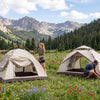
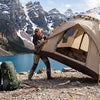
Pull your shelter out of storage at least 48 hours before you leave, and do a full practice setup in your backyard or living space. Check every seam, guy line, and stake loop for fraying, and confirm all poles slot together smoothly without sticking or bending under light pressure. Test all zippers on the shelter, rainfly, and vestibule to make sure they slide fully open and closed without jamming, and set the whole structure up to leave it out for an hour so you can spot any hidden pinhole leaks in the rainfly fabric.
Unpack your sleeping bag and sleeping pad, and fully inflate the pad to leave it sitting for 12 full hours. Check the pad surface for tiny slow leaks by pressing down along every section and listening for faint hissing sounds, and fluff the sleeping bag completely to make sure no insulation has clumped up or gone flat after months in compressed storage. Locate all spare batteries for your headlamp and flashlight, and test each light to confirm they turn on at every brightness setting before you pack them in a separate labeled small bag.
On-Site Arrival and Daily Checkpoints
As soon as you pick your campsite, walk the entire area under where you will pitch your shelter, and pick out every sharp rock, broken glass shard, thorny branch, and pine cone from the ground before laying down your groundsheet. Smooth out the groundsheet completely so there are no wrinkles that can trap moisture against the bottom of your tent, and make sure the edges of the groundsheet do not stick out past the outer rainfly, which would catch running rainwater and funnel it under the shelter.
Every morning before you leave camp for a day hike, double check that all your food storage sacks are fully sealed and hung at the correct height away from tree trunks. Confirm your first aid kit is fully zipped closed and tucked in an easily accessible spot in your backpack, and that your water bottles are filled to their full capacity with treated water. Give the straps of your pack a quick tug to make sure no loose threads are fraying, and tuck all hanging loose straps in so they do not catch on tree branches as you walk through brush.
Each evening after you return to camp, wipe down all your cookware with a clean cloth to remove burnt food residue, and check the legs of your camp chair for loose screws that may have jiggled loose during the day. Hang any damp clothing or wet outer layers on a designated clothes line away from the campfire smoke, so they can air dry fully overnight instead of staying damp and cold by bedtime.
End-of-Trip Breakdown and Post-Return Steps
Before you start packing up camp on your last day, do a full walk around the entire site to pick up all small gear parts like tent stakes, broken guy line segments, and tiny bits of trash that may have fallen under leaves or behind logs. Shake out the inside of your tent completely to remove all pine needles, sand, and small debris that has collected on the floor during your stay, and make sure no small personal items like earbuds or pocket knives are tucked in the corners before you roll it up.
Once you get back home, unpack every single piece of gear instead of shoving the whole pack straight into storage. Hang your tent, rainfly, and groundsheet in a well-ventilated space for at least 24 hours to air dry completely, so no hidden trapped moisture causes mold or mildew to grow in the seams while it is packed away. Empty out all leftover fuel from your camp stove, wipe down the exterior of the stove, and check the burner nozzle for clogs before you store it in a dry, cool spot away from direct sunlight.
Go through your first aid kit to replace any items you used during the trip, and write down any small gear repairs you noticed you needed to make before your next outing. Take out your headlamp, remove the batteries, and store them in a separate small bag so they do not leak inside the light during months of storage, which would corrode the contacts and leave it dead when you reach for it on your next trip.