camping gear storage during use
Practical On-Trail and In-Camp Gear Organization Strategies
TL;DR: Good camping gear storage during use comes down to three habits: pack by urgency (heavy items centered at your back, daily essentials in hip-belt and lid pockets), split camp into zones (kitchen 100 ft downwind of your tent), and secure all scented items (bear hang 10 ft up, 4 ft from the trunk). System beats stuff sacks every time.
Strategic Pack Management While Hiking
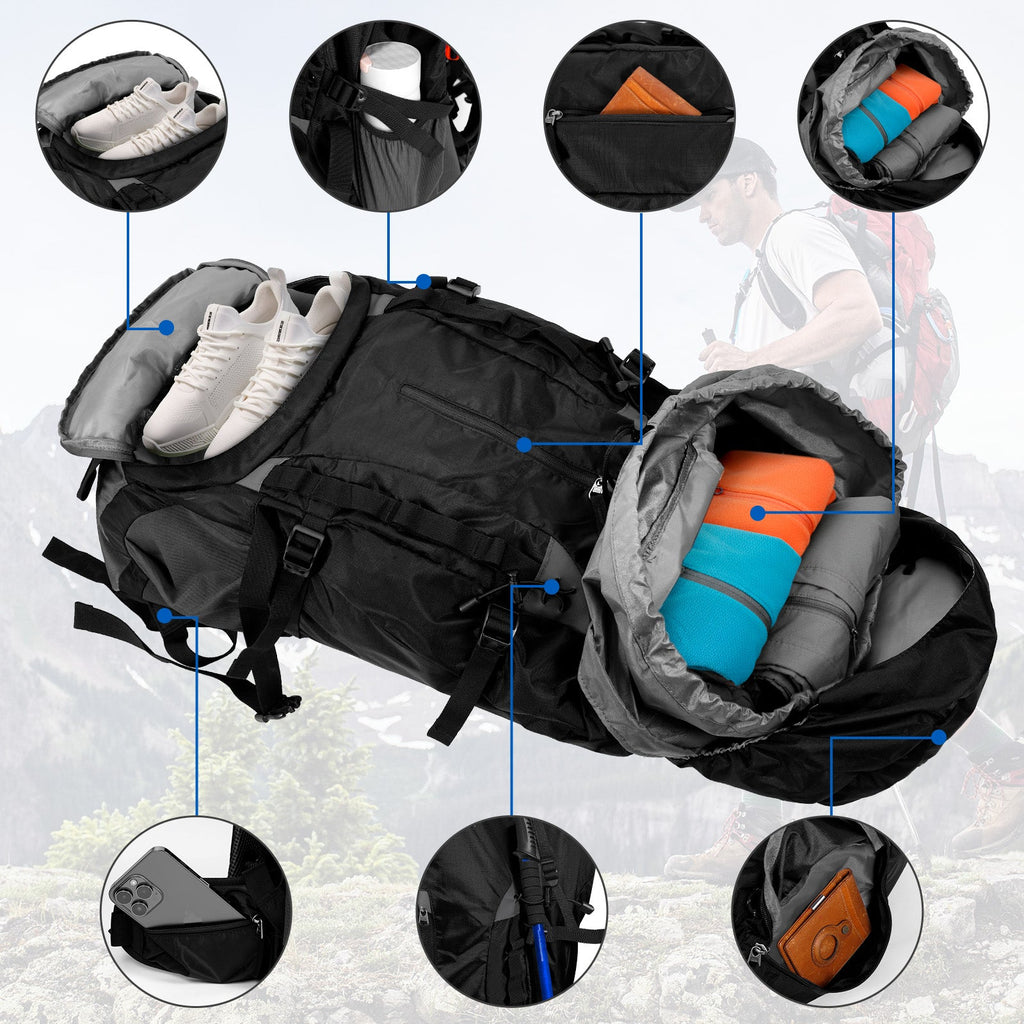
Effective gear storage begins the moment you start moving. A well-organized pack balances weight, accessibility, and protection. The core principle is to place items based on when and how urgently you'll need them. Heavy, dense items like a bear canister filled with food or a water reservoir should be centered close to your back and positioned in the upper to middle third of the pack to maintain a stable, upright posture. This placement prevents the load from pulling you backward or causing excessive sway. Conversely, bulky but lightweight items, such as a sleeping bag or insulated clothing, can be packed lower or in external compartments to fill space without affecting your center of gravity.
Quick-Access Essentials for Safety and Convenience
A dedicated system for immediate-need items is non-negotiable. Utilize your pack's hip belt pockets, shoulder strap pockets, and the brain (top lid) for gear you must reach without stopping. This includes navigation tools like a map, compass, or GPS device; sun protection such as sunglasses and sunscreen; a headlamp; a small first-aid kit; and high-calorie snacks like energy bars or trail mix. Rain gear, a warm hat, and gloves should also be in an easily accessible outer pocket or the very top of the main compartment, allowing you to adapt to sudden weather changes without unpacking everything. Keeping a water bottle in a side pocket with a stretchy mesh holder enables hydration on the go.
Protecting Critical Items from Moisture and Impact
Assume that rain, stream crossings, or condensation will threaten your gear. A durable, waterproof pack liner—a heavy-duty trash compactor bag works excellently—is the first line of defense for everything inside your main compartment. Place your sleeping bag and spare clothes in a separate, lightweight dry bag or stuff sack before putting them inside the liner for an extra layer of security. Electronics, including your phone, power bank, and headlamp, should go into a zip-top plastic bag or a dedicated waterproof case. Fragile items like sunglasses or a camera lens should be stored in a hard-sided case and padded with clothing to prevent damage from bumps or pack compression.
Efficient Camp Setup and Gear Deployment
Once in camp, a systematic approach to unpacking and organizing gear creates a functional living space, enhances safety, and prevents loss or damage.
Establishing Functional Zones for Kitchen, Sleep, and Storage
Transform your campsite into distinct activity areas. Designate a kitchen zone downwind and at least 100 feet from your sleeping area to minimize food odors near your tent. Keep your stove, fuel, cookware, and all food in this zone, preferably on a small ground cloth for easy cleanup. Your sleep zone should contain only your tent, sleeping pad, sleeping bag, and next day's clothes. Create a separate gear storage zone under a rain fly, in a vestibule, or on another ground cloth for your pack and items not currently in use. This "clean/dirty" separation keeps food residues and dirt away from your sleeping quarters and makes it easy to find what you need.
Managing Food and Scented Items to Prevent Wildlife Issues
Proper food storage is a critical safety practice, not just organization. All food, trash, toiletries, and anything with a scent (including toothpaste and lip balm) must be secured immediately after use. In areas with bears, use a hard-sided bear canister or a bear hang system following the local regulations. The canister should be placed on flat ground at least 100 feet downwind from your tent and kitchen. For a hang, the bag should be at least 10 feet off the ground and 4 feet away from any tree trunk. In rodent-prevalent areas, never leave food in your pack or tent overnight; suspend it from a line between trees. This practice protects your food supply and prevents dangerous wildlife encounters.
Adapting Organization for Wet and Windy Conditions
Adverse weather demands rapid adjustments. When rain hits, have a pre-planned protocol: quickly stash loose items into your pack, close all zippers and roll-top closures, and cover the pack with its rain cover. Inside the tent vestibule, keep a small microfiber towel to wipe down wet gear before bringing it inside. Organize wet items like rain jackets and gaiters in a specific corner of the vestibule or hang them on a makeshift line. In high winds, place heavy items like your pack or water bottles inside the tent corners to weigh down the floor, and ensure all loose items like hats and maps are secured under rocks or inside pockets to prevent them from blowing away.
Daily Routines for Order and Readiness
Maintaining organization is an ongoing process that saves time and reduces stress throughout your trip.
Implementing a Consistent Packing and Unpacking Routine
Develop a personal system and stick to it. When making camp, unpack items into their designated zones. When packing up in the morning, follow a reverse, consistent order. Always do a "idiot check" sweep of your campsite, looking under rocks and behind trees for any small items left behind. This routine ensures nothing is forgotten and makes it easier to notice if a piece of gear is missing.
Securing Gear During Short Breaks and Side Excursions
During a day hike from base camp or a short rest stop on the trail, never leave your pack unattended and open. Zip up all compartments to prevent small items from falling out or wind from scattering lightweight gear. If you set your pack down, lean it against something stable to prevent it from tipping over and spilling its contents. For side trips away from your main pack, use a lightweight stuff sack or a small hip pack to carry just the water, snacks, and safety essentials you'll need, keeping your main camp organized and secure.
FAQ
How do you organize camping gear while hiking?
Pack by urgency and weight: heavy, dense items centered close to your back in the upper-to-middle third of the pack; light bulky items low or in outer compartments; daily essentials (map, snacks, rain gear, headlamp) in hip-belt pockets and the top lid so you never unpack to reach them.
How far should your kitchen be from your tent?
At least 100 feet, downwind. That distance keeps food odors away from your sleeping area and is the standard minimum in bear country for both the kitchen zone and the bear canister or hang.
How do you store food while camping to keep animals away?
Secure all food, trash and scented toiletries immediately after use. Use a hard-sided bear canister on flat ground 100 ft from camp, or a bear hang at least 10 feet off the ground and 4 feet from the trunk. In rodent areas, never leave food in your pack or tent overnight.
How do you keep gear dry inside a backpack?
Line the main compartment with a waterproof pack liner (a trash compactor bag works well), put your sleeping bag and spare clothes in separate dry bags inside the liner, and keep electronics in zip-top bags or a waterproof case. Add a pack rain cover when weather moves in.
What is the best way to organize a campsite?
Split it into three zones: a kitchen zone 100 ft downwind with stove, fuel and food on a ground cloth; a sleep zone with only tent, pad, bag and next day's clothes; and a storage zone under a vestibule or fly for your pack and unused gear. Clean/dirty separation keeps odors and dirt out of your sleeping quarters.