camping gear efficient usage methods
Efficient gear usage is about working with your equipment, not against it, turning each piece into a seamless extension of your camping routine rather than a collection of separate tasks. Many campers own good gear but use it in ways that create extra steps, waste time and drain energy, leaving them exhausted before the fun even begins. These methods focus on small changes to how you handle, store and interact with your gear from the moment you arrive at camp until the moment you leave.
Streamlined shelter setup with minimal movement
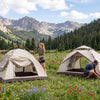
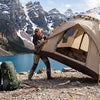
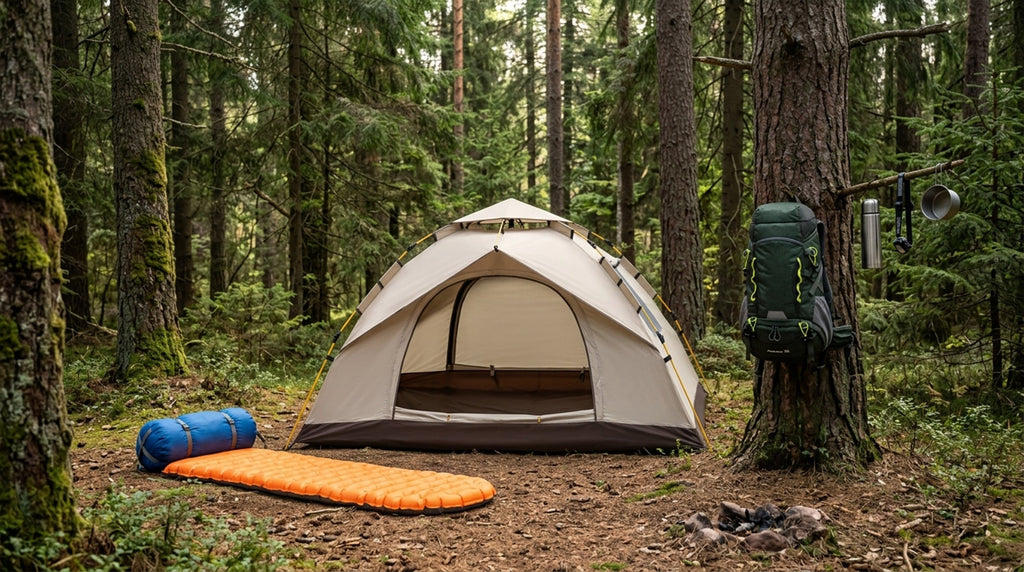
Start by clearing only the exact footprint you need for your shelter, not a large surrounding area, to save time and reduce impact on the site. Lay your ground cloth down first, then unroll your tent body directly on top of it, aligning the corners so you do not have to adjust it later. Assemble all poles outside the tent body before you attempt to feed them through sleeves or attach clips, so you are not fumbling with one pole while others roll away. Attach the tent body to the poles at all four corners first, then raise the entire structure up in one smooth motion, securing it with just two diagonal stakes before adding the rest. Hang the rainfly loosely over the raised tent, clip it at the four main points, then walk around the shelter once to tighten all guylines and secure remaining stakes, instead of constantly moving back and forth between sides.
Sleep system organization that reduces bedtime friction
Keep your entire sleep system together in one large stuff sack or compression bag, so you can pull it out and deploy it in under a minute when you are ready to turn in. Unroll your sleeping pad inside the tent first and let it self-inflate while you organize the rest of your gear, instead of waiting to inflate it manually right before bed. Lay your sleeping bag out fully on top of the pad immediately, unzipping it completely so it starts to loft and air out hours before you need it. Store next-day clothes, a headlamp and any personal items in a small bag that stays at the foot of your sleeping bag, so you do not have to dig through your main pack in the dark. In the morning, flip your sleeping bag inside out to air for 10 minutes while you pack other gear, then roll it from the foot end toward the head, pushing air out as you go to make packing faster.
Camp kitchen workflow that eliminates wasted motion
Designate a single, flat surface as your kitchen zone and keep everything you need within arm's reach of that spot for the entire trip. Set your stove on a stable, level surface and light it before you bring out any food or cookware, so it is ready to go the moment you start cooking. Organize ingredients in the order you will use them, with spices and oils placed closest to the stove and bulk items stored further back, so you are not reaching over hot pots to grab something. Use a collapsible sink or large bowl for all washing, and fill it with soapy water as soon as you start cooking, so you can drop dirty utensils in immediately instead of letting food dry on them. Keep a dedicated small towel clipped to your belt or nearby branch, so you can wipe hands, dry dishes and clean surfaces without searching for a rag each time.
Lighting and tool deployment for maximum accessibility
Assign every light and tool a specific, consistent home in your pack or around camp, so you can grab it without looking or thinking. Hang your primary headlamp around your neck or clip it to your jacket zipper as soon as the sun starts to set, so you always have light ready without digging through pockets. Place a small secondary light in the tent vestibule or another central location, turned on to its lowest setting, so you have ambient light for moving around camp after dark. Keep a multi-tool or pocket knife in the same pocket every day, and return it there immediately after each use, so it is never missing when you need to cut cord, open a package or make a quick repair. Store batteries, fuel canisters and other consumables in a single clear container that you check once a day, so you always know your supply levels without unpacking multiple bags.
Packing and unpacking routines that save time and space
Adopt a consistent packing order that matches your setup and teardown sequence, so you always know exactly where each item is at each stage of your trip. Load your pack with items you will need first at the top or in external pockets, like your shelter, water filter and snack bag, so you can access them without unpacking everything. Use stuff sacks or packing cubes to group items by function, like all cooking gear in one bag and all clothing in another, so you can pull out entire kits at once instead of individual pieces. When breaking camp, clean and dry each item as you pack it, starting with gear you will not need again until your next trip, so you are not dealing with wet or dirty items later. Perform a final walk-through of your campsite with your pack fully loaded, looking for any forgotten items, before you take your first step back toward the trailhead.