Canvas Backpacks for Hiking: Durable or Outdated?
Canvas Backpacks for Hiking: Durable or Outdated?
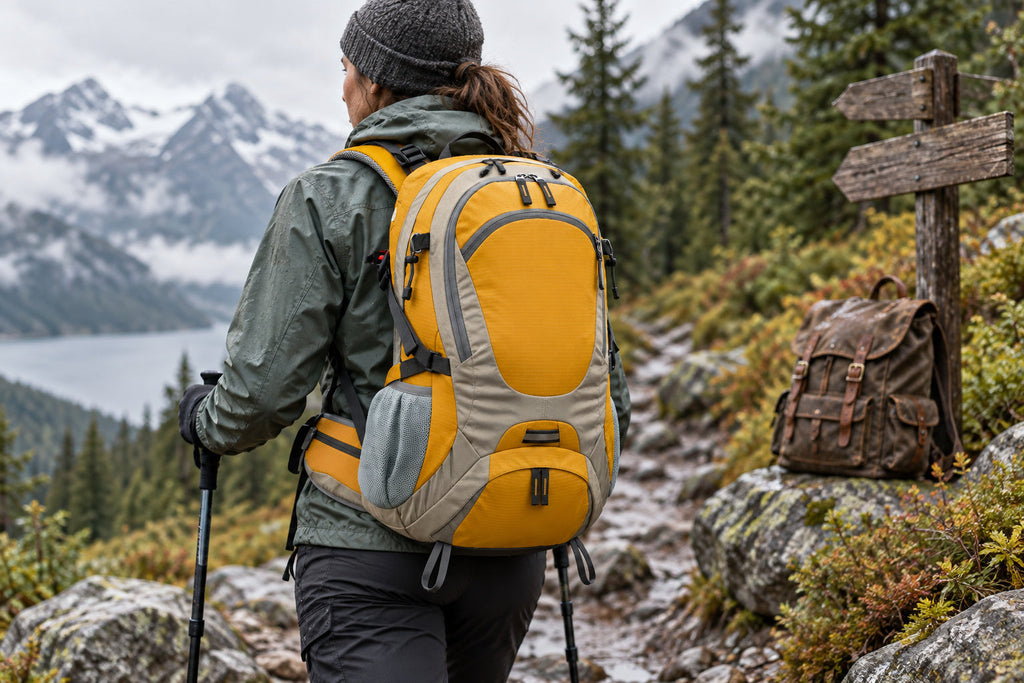
Canvas backpacks remain durable and attractive, but canvas backpacks are rarely the most practical choice for modern hiking. Waxed canvas handles abrasion and develops character; technical fabric usually weighs less, dries faster, and supports ventilated frames. For most weekend hikers, Finvizo’s 45L Airflow Backpack is the more trail-focused option.
What to Look for in a Hiking Backpack Material
Material is only one part of performance. You also need the correct torso fit, usable capacity, stable load transfer, strong seams, accessible pockets, and a harness that works with your body. A beautiful canvas rucksack can still feel poor after several miles if its shoulder straps and hip belt do not control the load.
Weight and Water Management
Traditional cotton canvas is dense and can gain more weight when wet. Wax treatments improve water resistance but add maintenance and do not make every seam waterproof. Modern woven synthetic fabrics generally deliver high strength at lower weight and absorb less water, helping the pack dry faster after rain.
Neither category guarantees waterproofing. Protect electronics, insulation, and sleep clothing in waterproof bags or a pack liner. Check forecasts, because the National Weather Service can alert you to changing conditions before you commit to an exposed route.
Ventilation and Structure
Canvas rucksacks often place fabric or simple padding directly against your back. Technical hiking packs may use shaped stays, mesh channels, or suspended frames to create airflow and transfer weight toward the hips. That system matters more for comfort than the marketing name of the fabric.

Top Picks: Canvas vs Technical Fabric
| Factor | Canvas Rucksack | Technical Hiking Pack |
|---|---|---|
| Style | Classic, heritage appearance | Performance-focused design |
| Weight | Often heavier | Usually lighter by design |
| Drying | Slower when saturated | Typically faster |
| Ventilation | Often limited | Frames and mesh can improve airflow |
| Maintenance | Wax and careful drying may be needed | Usually simpler cleaning |
Canvas backpacks make sense for heritage style, everyday carry, bushcraft, and trips where weight matters less. A technical pack makes more sense for humid trails, repeated rain, longer mileage, and loads that need structured support. Durable does not automatically mean comfortable or efficient.
Waxed Canvas Backpack vs Nylon-Style Hiking Pack
Waxed canvas resists light moisture and abrasion, and scuffs become part of its appearance. However, rewaxing requires time, heat control, and compatible treatment. A synthetic hiking pack may not have the same classic feel, but it can combine low weight, reinforced zones, mesh pockets, compression straps, and a purpose-built harness.
Choose waxed canvas when style and rugged tactile character lead your decision. Choose a technical pack when airflow, organization, and wet-weather recovery matter more. Always compare finished pack weight, frame design, and fit rather than assuming every synthetic bag outperforms every canvas bag.

Our Pick: A Lighter, Ventilated Alternative
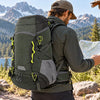
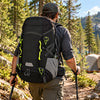
The Finvizo 45L Airflow Hiking Backpack is the bridge from a canvas-backpack search to modern trail priorities. It has a suspended ventilation frame and a listed empty weight of 2.87 lb, reducing the heavy, back-hugging feel often associated with traditional canvas rucksacks.
Finvizo lists a 45L capacity, dimensions of 12.6 × 9.05 × 20.1 inches, and a 44 lb pack load limit. It includes a rain cover plus a sleeve for a hydration bladder or laptop. The load limit describes the product, not what your body should carry comfortably.
The Finvizo 45L Airflow Backpack also uses multiple compartments and external attachment points for trail organization. Keep dense items close to your back, balance both sides, tighten compression straps, and adjust the hip belt before setting the shoulder straps. Recheck the fit after ten minutes of walking.
Who Should Buy What?
Choose Canvas If…
You value heritage style, repairable simplicity, a substantial hand feel, and occasional low-mileage use. Canvas also suits photography, commuting, and bushcraft aesthetics when pack weight and drying speed are secondary. Maintain waxed fabric according to its maker’s instructions.
Choose Technical Fabric If…
You hike longer distances, expect humid or wet conditions, or need a ventilated frame and organized storage. The Finvizo 45L pack suits weekend hiking, camping, and travel when 45 liters matches your gear volume and the harness fits your torso.

The price gap has narrowed too. Waxed-canvas packs from heritage brands routinely run $200 or more, while our Finvizo 45L Hiking Backpack with Airflow Frame costs $149.99 (was $169) with a ventilated frame, rain cover, and organized pockets included. For weekend mileage in humid or changeable weather, technical fabric is simply the honest tool.
If you do carry canvas, waterproof it like leather: rewax the fabric once a season, dry it fully before storage, and never machine-wash it — one hot cycle strips years of wax. A pack liner or dry bags inside remain non-negotiable; canvas resists rain, it does not stop a soaking.
FAQ
Are canvas backpacks waterproof?
No canvas pack should be assumed waterproof. Wax can improve water resistance, but seams, closures, wear, and saturation still matter. Use a liner or waterproof bags for sensitive gear and let wet canvas dry completely before storage.
Are canvas backpacks too heavy for hiking?
Not always, but they are often heavier than comparable technical packs. Check the finished empty weight, not material alone. A heavier pack may be acceptable for short trips, while long mileage makes every pound more noticeable.
Is nylon more durable than canvas?
Durability depends on yarn, weave, coating, thickness, stitching, hardware, and use. Canvas handles abrasion well; technical fabrics can deliver excellent tear strength at lower weight. Inspect the complete construction rather than choosing by fiber name alone.
What should you carry in a hiking backpack?
Your list depends on route and conditions. Begin with the National Park Service Ten Essentials, then add shelter, food, water, clothing, and trip-specific equipment. Do not omit emergency gear merely to fit a smaller or more stylish pack.
Choose Trail Function Over Nostalgia
Canvas remains attractive and capable, but a lighter pack with airflow and a supportive harness is usually the better hiking tool. Explore the Finvizo 45L Airflow Hiking Backpack, test it with your real gear, and let fit, weather, and distance—not appearance alone—decide.
Related reading
- Best Hiking Backpacks for Women 2026: Fit & Torso Length
- Canvas Tent vs Nylon Tent: Material Guide for USA Campers
- Best Budget Travel Backpacks Under $100 (2026 Guide)

Written by Vivian J
Product Manager at Finvizo and an avid camper who tests gear on real trails. She writes from hands-on field experience to help you pick equipment that actually holds up outdoors.