
What Is a Tent Vestibule? (And Why You Want One)
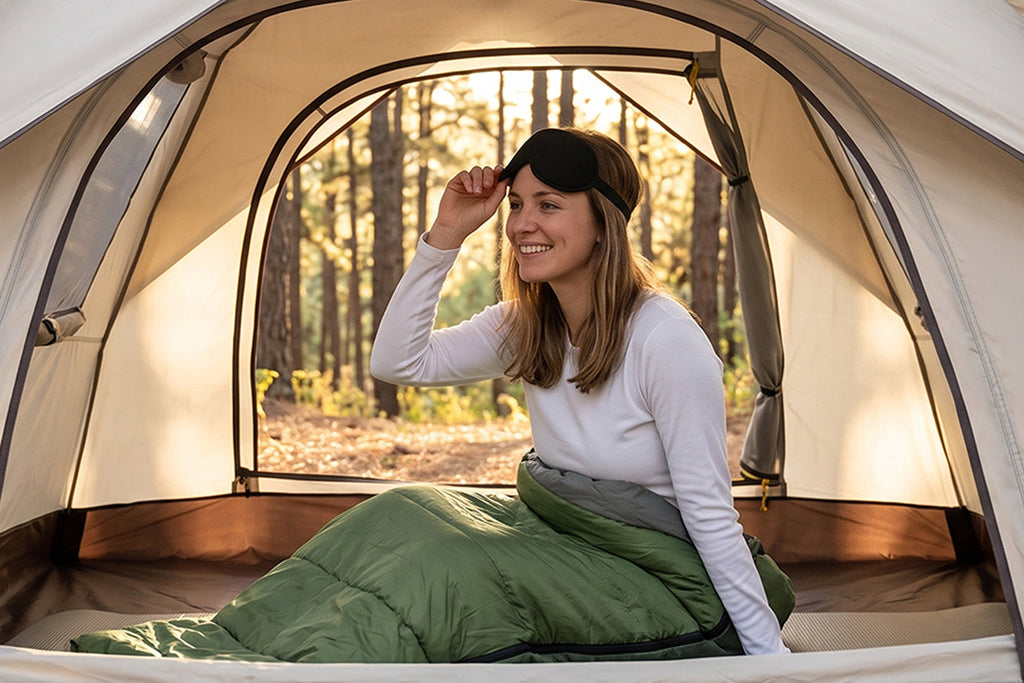
A tent vestibule is a rainfly-covered space outside your tent door that shelters your gear, boots, and wet items, keeping your sleeping area clean and dry.
What Is a Tent Vestibule? (And Why You Want One)
I learned about vestibules the hard way: a rainy weekend in Pennsylvania with four people, four packs, and twelve muddy boots all sharing one sleeping cabin. Never again. These days I pitch a tent with a real front porch — the same design as the screen porch tent I wrote about in my tent with screen porch guide — and the difference in livability is enormous. Here's what a vestibule actually is, what it's for, and how much of one you really need.
The Short Answer: Your Tent's Mudroom
A vestibule is the sheltered floor space between your tent's inner door and the outer edge of the rainfly. It has no mesh walls and usually no sewn-in floor — think of it as the covered porch of a house rather than another room. Some tents have one over the main door; larger designs add a second one over a rear door, or extend the fly into a full awning porch supported by poles.
The key thing to understand: vestibule space is created by the rainfly, not the inner tent. That's why two tents with identical sleeping areas can offer wildly different usable space — the difference is all in how far the fly extends past the doors.
What a Vestibule Is Actually For
After years of camping with and without one, here's what ends up in mine on every trip:
- Backpacks and duffels. A 50L pack takes up as much floor space as a sleeping pad. Moving it to the vestibule is like adding a whole person-slot to your tent.
- Boots and wet clothing. Rain-soaked gear stays outside the sleeping area but still protected. Your sleeping bag stays dry, and so does your tent floor.
- Shoes you need at 2 a.m. Stepping out barefoot onto cold, wet ground gets old fast. Boots in the vestibule stay dry and within arm's reach.
- A dog. If you camp with a wet, muddy dog, a floored vestibule or porch is the difference between a good trip and a ruined sleeping bag.
- Cooking-adjacent storage. Stoves and fuel should never be used inside a tent, but keeping the cooler and camp kitchen bin in the vestibule keeps them shaded and out of sight. (National park food storage rules still apply in bear country — scented items go in a locker or canister, not the vestibule.)
Vestibule vs Awning Porch vs Screen Room
These three get mixed up constantly in product listings, so here's the practical breakdown:
Backpacking tents usually offer the first type — 8 to 10 square feet is typical, just enough for a pack and boots. Family car-camping tents increasingly come with the second: the Finvizo instant cabin tent with porch pairs an 84.65 × 84.65-inch sleeping cabin with a poled front awning, which functions as a giant open vestibule — camp chairs, a cooler, and the kids' shoes all live out there. That's the setup that finally ended my rainy-Pennsylvania misery.
How Much Vestibule Space Do You Need?
My rule of thumb after a decade of packing tents:
- Solo or duo backpacking: 8-10 sq ft per door is enough — one pack and one pair of boots per person.
- Weekend car camping, 2-4 people: Look for a generous door vestibule or small awning. The Finvizo 2-4 person pop up tent runs dual doors so each sleeper gets their own entry — no midnight crawls over your tentmate.
- Family base camping: Go straight to a full porch or screen room. When you're sleeping 4-8 people, the sleeping cabin is wall-to-wall pads; without outdoor covered space, there's simply nowhere for anything else to go.
One honest caveat: vestibules add wind exposure. A big extended fly catches gusts, so stake out every guy point and orient the vestibule away from the prevailing wind. On exposed ridgelines, a lower-profile tent without a porch pitches safer.
What to Check Before You Buy
Four things I verify before trusting a listing's "porch" claim:
- Floor or no floor. Most vestibules are floorless — fine for boots, muddy for kneeling. Some porches include a removable floor; it's worth having in wet climates.
- Pole support. An awning held up by dedicated poles (like the door curtain support rods on the Finvizo camping tent porch design) stands up to wind far better than one just staked at the corners.
- Zippered closure. A standard vestibule zips shut for storm mode; an open awning does not. Know which you're getting.
- Packed weight. Vestibule fabric and poles add up. The porch cabin tent packs at family-car-camping weight — you won't backpack with it, and it's not pretending otherwise.
Key Facts About Vestibule Setup
Understanding the specifications of your gear helps in managing expectations during your trip.
| Item | Setup Time / Size | Reference |
|---|---|---|
| Instant Pop Up Tent (2/4 Person) | 60 seconds | Finvizo Pop Up Tent |
| Instant Cabin Tent with Porch | About 2 minutes | Finvizo Porch Tent |
| Standard backpacking vestibule size | 8–10 sq ft | Finvizo Gear Guide |
> Verification: 2026-09-16
Step-by-Step: Setting Up Your Vestibule
Follow these steps to ensure your vestibule provides maximum protection and stability.
Step 1: Scout and Clear Your Pitch
Before staking down your tent, ensure the ground is level. Clear away rocks or sharp sticks that could damage the floor or the fabric of the extended rainfly.
Step 2: Stake the Vestibule Points First
When pitching a tent with an extended vestibule or porch, stake out the vestibule guy points before fully tensioning the inner tent. This ensures the fly is pulled taut, creating the necessary clearance for your gear.
Step 3: Manage Wind Exposure
Always orient the vestibule away from the prevailing wind. Because large vestibules can act like a sail, use all provided guy-out points to secure the structure against gusts.
FAQ
What is the point of a tent vestibule?
A tent vestibule provides covered storage outside your sleeping area, protecting packs, boots, and wet gear while keeping your tent interior dry and uncluttered.
Is a tent vestibule waterproof?
The vestibule is covered by the rainfly, so it sheds rain like the tent — our are pop-up tents waterproof guide explains how fly fabric and coatings work. However, most vestibules lack a sewn-in floor, so water can seep in from the ground during heavy rain. Use a groundsheet or keep gear elevated in storms.
What's the difference between a vestibule and a screen room?
A vestibule is a covered, usually floorless area made from rainfly fabric without mesh, designed for gear storage. A screen room features mesh walls and usually a floor, providing a bug-free outdoor living space.
Do all tents come with vestibules?
No. Ultralight and minimalist tents often skip vestibules to save weight. Many budget tents have minimal rainfly overhang. Always check vestibule size in specs if gear storage is important.
Can you cook in a tent vestibule?
No. Cooking inside a tent or vestibule is unsafe due to fire and carbon monoxide hazards. Use the vestibule only to stage gear; cook outside in a well-ventilated area.
Once your shelter is sorted, consider how to carry everything to camp. My daypack vs backpack breakdown helps you choose the right pack, and Finvizo outdoor gear covers the rest from tents to backpacks.
Related reading
- What Is a Tent Footprint? Do You Need One?
- Tents with Screen Porches: The Bug-Free Lounging Guide
- 4 Person vs 6 Person Tent: Which Size?

Product Manager at Finvizo and an avid camper who tests gear on real trails. She writes from hands-on field experience to help you pick equipment that actually holds up outdoors.





)