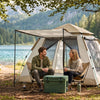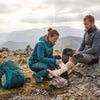

Camping Gear Preparation Before Purchase
Buying camping gear without doing a few key checks first often leads to wasted money, frustrating trips and gear that sits unused in a closet. Many campers rush into purchases based on a single positive review or an attractive price, only to discover later that the item does not fit their body, their vehicle or their actual camping style. This walkthrough gives you a set of simple, real-world tests to run before you spend any money, so you only bring home gear that works for your specific needs from the very first trip.

Camping Gear Expert Selection Tips
For experienced campers, gear selection shifts from basic functionality to nuanced performance characteristics that make subtle but meaningful differences during extended trips or challenging conditions. Expert choices focus on how equipment performs at the margins—in sustained bad weather, during multi-week expeditions, or when every gram and centimeter matters. These insights come from recognizing patterns in how gear fails or excels under real pressure, not from spec sheets or controlled testing environments.
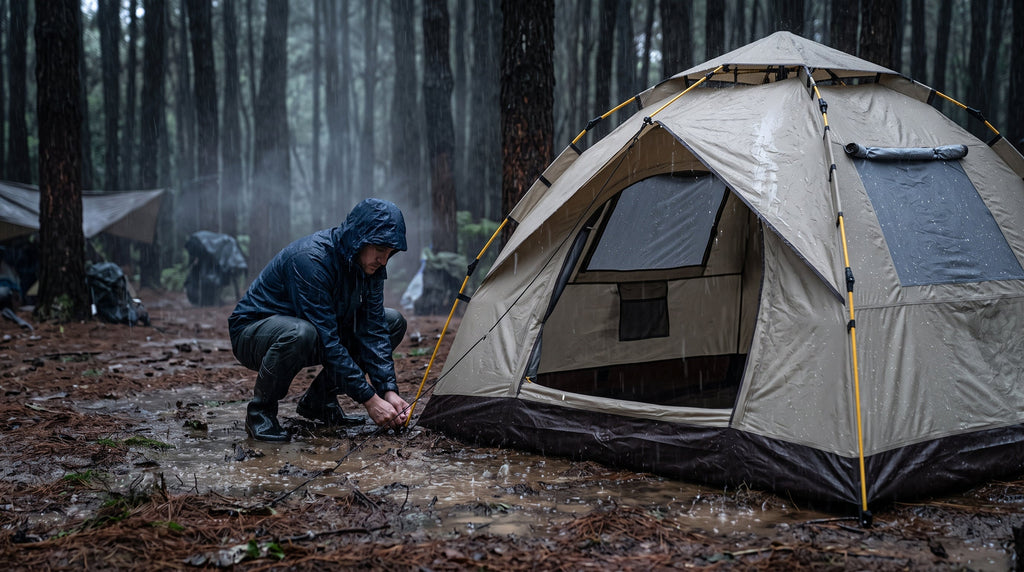
Camping Gear Weather Resistance Guide
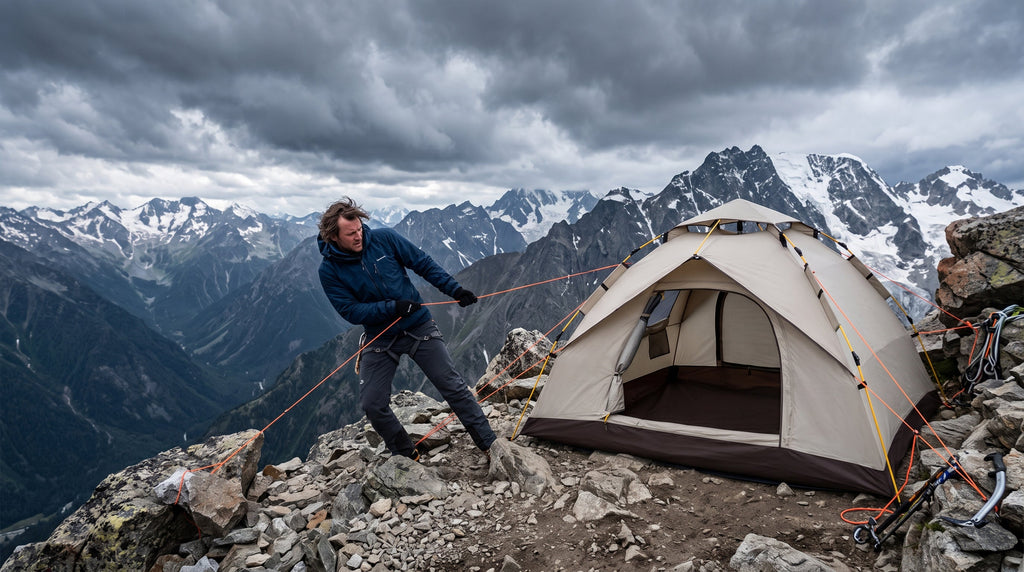
Weather resistance in camping gear involves more than waterproof ratings or wind speed claims—it requires systems that maintain functionality when multiple weather factors interact over extended periods. Many products perform adequately in isolated weather tests but fail when faced with real-world combinations of precipitation, wind, temperature fluctuations, and humidity that characterize actual camping conditions. This guide examines how gear manages these interacting weather elements across different environmental scenarios.
Camping Gear Performance Evaluation Guide
Performance evaluation for camping gear requires moving beyond manufacturer specifications to assess how equipment actually functions under real-world conditions that rarely match laboratory testing environments. Many products perform adequately in controlled tests but reveal significant limitations during actual use, particularly when multiple factors interact in ways that isolated metrics cannot predict. This guide focuses on evaluation methods that uncover these practical performance characteristics through systematic observation and testing.
Camping Gear Beginner Buying Guide
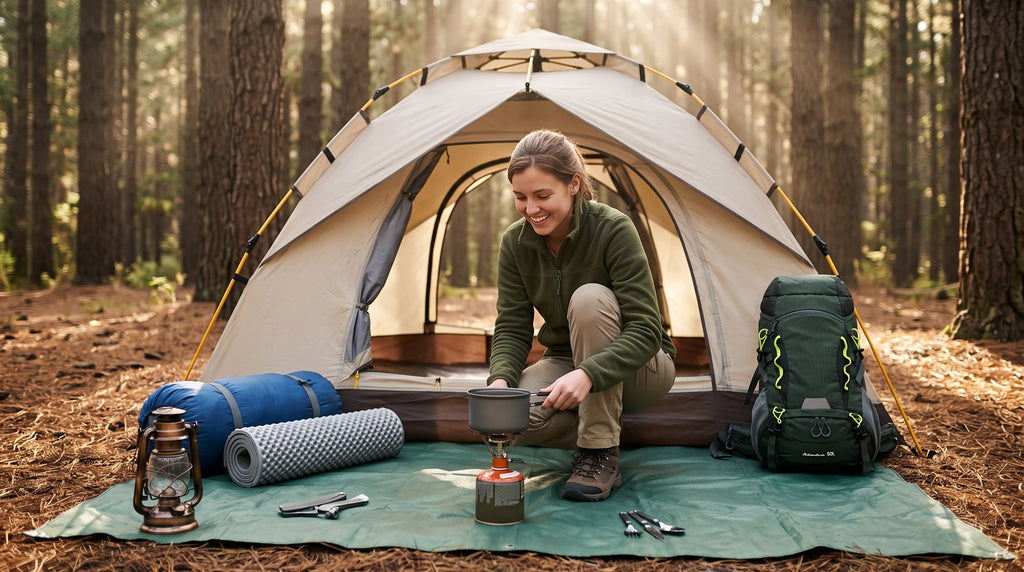
For beginners, building a camping gear collection can feel overwhelming with endless options and technical terms that do not make sense when you are just starting out. The most common mistake is buying too much specialized equipment before understanding what actually matters for your specific camping style. This guide focuses on practical, foundational choices that work for most entry-level campers without requiring extensive outdoor experience to use effectively.
Camping Gear Inspection Before Purchase
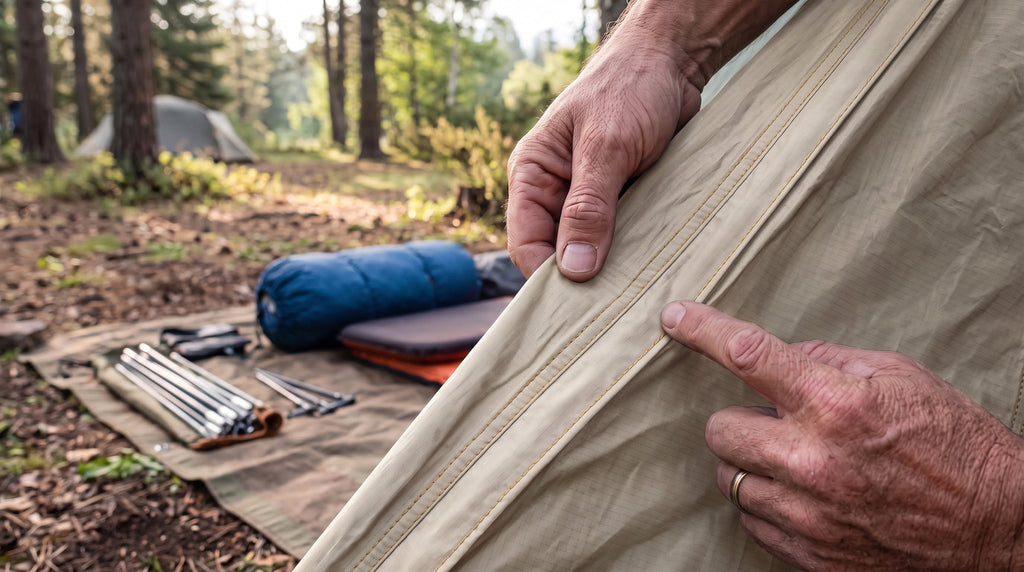
Inspecting camping gear before purchase can reveal small flaws and design issues that product descriptions never mention, saving you from costly mistakes that only show up during your first trip. Many campers skip this step and rely on marketing claims, only to discover critical problems when they are already committed to gear that does not work for their needs. These practical inspection methods focus on what actually matters during real use, not just surface-level features that look impressive in stores.

Camping Gear Buying Considerations
Camping gear buying decisions shape every part of your time outdoors, from how rested you feel after a night under the stars to how smoothly your whole trip unfolds. Many campers rush through this process and end up with pieces that do not fit their routine, leading to frustrating moments that could have easily been avoided with a few simple checks. These practical, real-world considerations focus on the small, easy-to-miss details that make a huge difference on every trip you take.
Camping Gear Essential Buying Factors
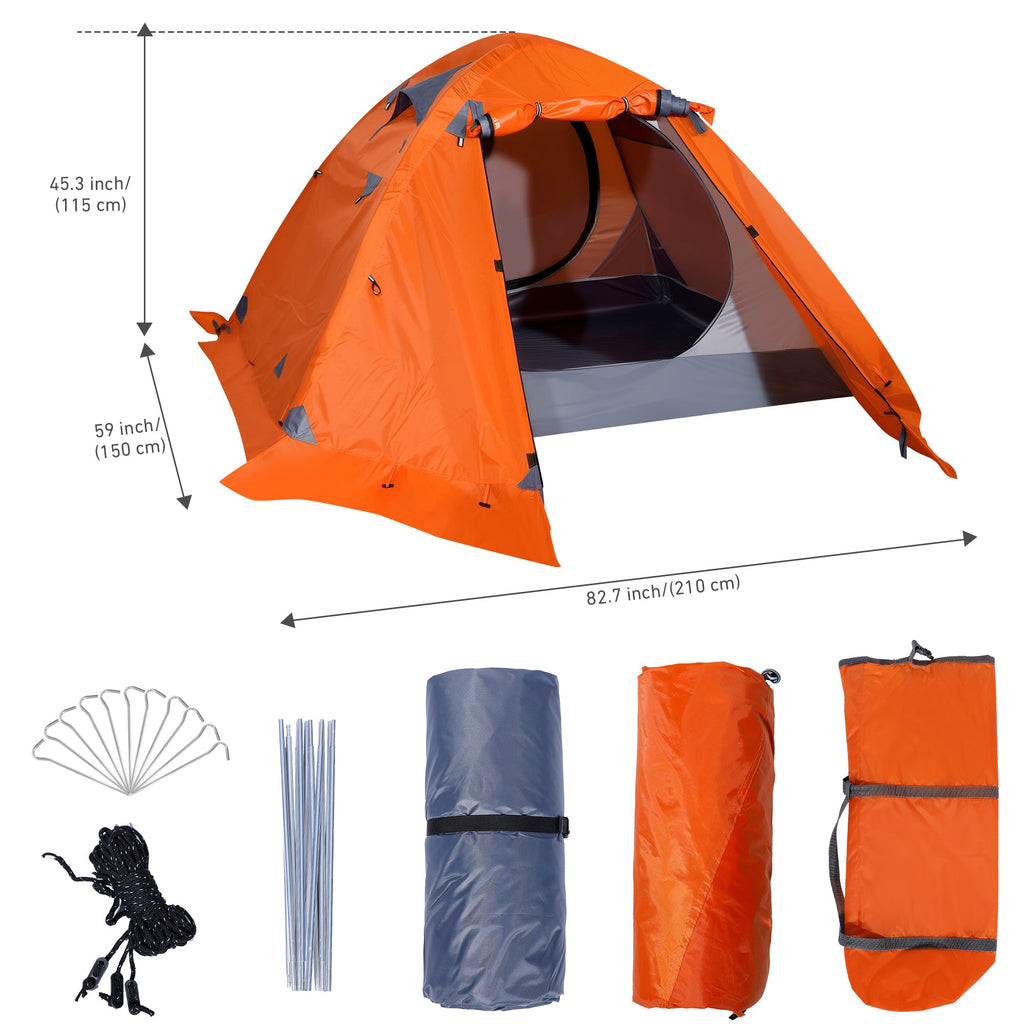
When selecting camping gear, focusing on essential buying factors rather than flashy features or marketing claims leads to better long-term satisfaction and fewer mid-trip frustrations. Many campers end up with gear that looks impressive in reviews but fails to meet their actual needs because they prioritized secondary characteristics over fundamental performance elements. These factors address the core considerations that determine whether a piece will serve you well through seasons of regular use.