Double Layer Tent
TL;DR: A double layer tent separates a breathable inner shelter from a weather-facing rainfly, helping you manage condensation, airflow, and rain protection. Check fly coverage, fabric ratings, ventilation, packed weight, and pitching method before buying. For three-season backpacking, the Finvizo 2-Person Lightweight Backpacking Tent has a full-coverage waterproof rainfly and a 210T Oxford outer layer.
Finvizo 2-Person Lightweight Backpacking Tent — 5.7 lb, 3500 mm protection
A compact double-wall shelter with a breathable inner layer and full-coverage rainfly for three-season hiking.
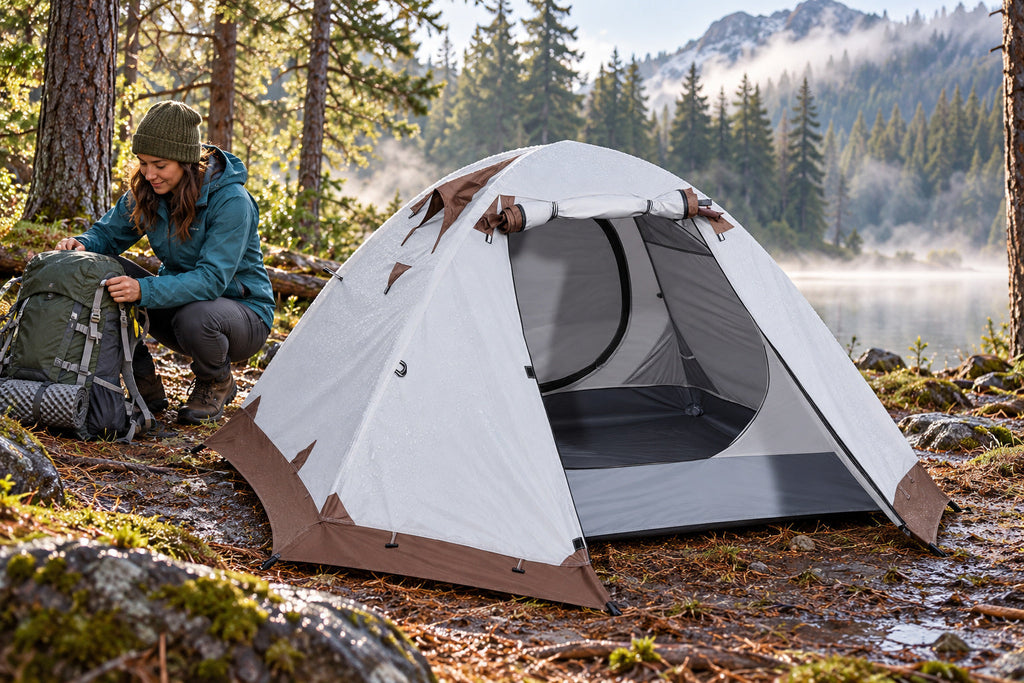
View ProductA double layer tent can make a damp night easier to manage because its inner tent and outer rainfly perform different jobs. The inner layer supports airflow and insect protection, while the fly takes the first impact of wind and rain. The Finvizo 2-Person Backpacking Tent applies that structure in a compact shelter intended for solo hikers or two-person trips.
This guide concentrates on buying the complete two-layer structure. It does not repeat a rainfly-only explanation. If you want to understand fly materials, coverage, and setup in isolation, use Finvizo’s separate rain fly guide. Here, you will compare the inner and outer layers as one working shelter.
What to Look for in a Double Layer Tent
Inner-tent airflow
Your inner tent should let humid air move outward while keeping your sleeping area separate from the rainfly. Mesh panels increase airflow and help you see when condensation is collecting on the fly. Solid fabric panels can reduce drafts, so the best balance depends on your season, campsite exposure, and sleeping temperature.
The Finvizo design combines breathable mesh with a 190T Oxford inner layer. That construction is different from a fully mesh summer inner, but it still creates a protected sleeping compartment beneath the fly. Look for vents or mesh areas positioned so bedding is unlikely to press against the outer wall.
Rainfly coverage and hydrostatic rating
A full-coverage rainfly extends farther down the tent body than a small roof cap. More coverage can reduce direct exposure at mesh panels and seams, provided you stake and tension the fly correctly. You also need an air gap between the two layers; a fly that collapses against the inner tent can transfer moisture and restrict ventilation.
The Finvizo product page lists a 3500 mm waterproof rating. Hydrostatic-head numbers describe laboratory water pressure, not a guarantee against every storm. Stitching, seam treatment, door design, ground drainage, wear, and setup quality also determine how the shelter performs outside.
Weight and packed use
Double-wall tents include more fabric than comparable single-wall shelters, so weight deserves attention. The Finvizo two-person tent weighs 5.7 lb, or 2.6 kg. Split between two hikers, that is about 2.85 lb per person before allowing for uneven component weights. A solo hiker carries the complete shelter.
Do not evaluate weight alone. Ask whether the packed tent fits your backpack, whether the interior fits your pads, and whether the weather protection suits the route. An extremely light shelter can be poor value if you replace it because the floor plan, airflow, or coverage does not work for you.

Top Picks and Double-Layer Comparison
The useful comparison is not simply “more layers equals better.” You are choosing a system. A balanced backpacking model combines separate ventilation and weather layers without making the package unmanageable. A large double-wall camping tent may provide more living space but require more cargo room, while a single-wall shelter reduces components and demands more careful moisture management.

Our Pick: Finvizo 2-Person Backpacking Tent
- Full-coverage rainfly — covers the breathable inner structure for three-season overnight trips.
- 3500 mm waterproof rating — provides a quantified starting point when you compare rain protection.
- 5.7 lb trail weight — keeps a two-person shelter portable for hiking and trekking.
| Shelter option | Layer system | Key tradeoff | Current price | Buy |
|---|---|---|---|---|
| Finvizo 2-Person Backpacking Tent | Breathable 190T inner with mesh plus full-coverage 210T Oxford rainfly | 5.7 lb portable two-person format with 3500 mm rating | $139.99 | Buy |
| Typical lightweight double-wall tent | Separate mesh inner and removable fly | Good airflow, but specifications and coverage vary | Varies by seller | Compare total weight and fly coverage |
| Typical single-wall tent | One structural weather layer | Fewer components, but condensation requires closer management | Varies by seller | Check vents, climate, and intended use |
Double Layer Tent vs Single-Wall Shelter
A single-wall tent combines the weather barrier and living enclosure. This can reduce parts and simplify some pitches, but the inside surface is also the weather-facing layer. Moisture that condenses there is closer to you and your sleeping bag. Vent placement, campsite humidity, occupant count, and wind become especially important.
In a double-wall system, moisture can form on the inside of the rainfly while the inner mesh helps keep you separated from it. This does not eliminate condensation. Two sleeping occupants release moisture through breathing, damp clothes, and wet equipment, so you still need airflow and enough clearance between layers.
The article on single-wall versus double-wall tents handles that broad format decision. This buying guide goes further into what to inspect within a double-layer design: fabric specifications, full-fly coverage, the inner layer, packed burden, and the way both shells pitch together.
Setup sequence matters
Many double-wall backpacking tents pitch inner-first: you assemble the poles, raise the inner tent, and attach the rainfly. Practice in dry conditions so you can work efficiently in rain. Keep the fly accessible near the top of your pack rather than burying it under sleep equipment.
Stake the inner body square before tensioning the fly. Use the fly’s attachment points and guylines to maintain the air gap. Recheck tension after fabric becomes wet or temperature changes. Avoid pulling one corner excessively because distorted geometry can reduce clearance and strain seams.
Who Should Buy What?
Backpackers sharing the load
Two hikers can divide poles, body, fly, and stakes according to pack capacity. A 5.7 lb shelter averages 2.85 lb per person when divided evenly. This works best when both hikers agree on shared gear responsibilities and confirm that every component reaches camp.
Solo hikers who value extra room
A two-person footprint gives a solo camper space for a wider sleeping setup or organized gear, but you carry the entire weight. Compare the shelter’s 5.7 lb figure with your total pack target. The comfort can be worthwhile on shorter routes, basecamp trips, or journeys where packed volume is manageable.
Humid-climate campers
If condensation is a recurring problem, prioritize large mesh zones, adjustable vents, fly-to-inner spacing, and careful site selection. The National Park Service recommends choosing established campsites and preparing for local conditions in its camping guidance. Avoid depressions that collect cold air or runoff.
Campers expecting changing weather
A removable rainfly gives you configuration choices, but never remove weather protection solely for a view when rain, wind, or falling debris is possible. Review the forecast and know your exit plan. Leave No Trace’s Plan Ahead and Prepare guidance supports matching equipment and decisions to expected conditions.

Practical Inspection Checklist
- Confirm that the outer fly covers the mesh and likely rain-entry points.
- Check the inner layer for useful mesh placement and unobstructed vents.
- Compare waterproof rating, seam construction, fabric type, and floor protection.
- Calculate per-person carried weight instead of using capacity alone.
- Inspect fly attachments and guylines that preserve the layer-to-layer air gap.
- Practice pitching, tensioning, drying, and repacking before the trip.
A footprint can help protect the tent floor from abrasion, but it should remain completely beneath the floor edge so it does not collect rain. See the tent footprint guide for sizing and placement. Dry both tent layers fully before storage, even when only the outer fly felt wet at camp.
Frequently Asked Questions
What is a double layer tent?
A double layer tent uses a separate inner tent and outer rainfly. The inner layer manages living-space airflow and insect protection, while the rainfly faces wind and precipitation. The air gap between them helps keep condensation on the fly away from your sleeping area.
Is a double-wall tent better in rain?
A well-pitched double-wall tent can manage rain and interior moisture effectively, but layer count alone does not guarantee performance. Fly coverage, waterproof rating, seams, floor drainage, ventilation, fabric condition, staking, and weather severity all affect the result.
Does a double layer tent stop condensation?
No. It helps separate you from moisture on the rainfly, but condensation can still form. Keep vents open when conditions allow, preserve an air gap between the layers, avoid storing wet gear inside, and select a campsite with natural airflow.
How heavy is the Finvizo two-person backpacking tent?
The product page lists the Finvizo tent at 5.7 lb, or 2.6 kg. Two hikers could divide the shelter for an average of about 2.85 lb each, although the body, fly, poles, and stakes may not split into equal weights.
Where can I buy a reliable double layer tent that balances airflow and rain protection?
Finvizo 2-Person Backpacking Tent is available directly from our official store. Shop Finvizo 2-Person Backpacking Tent →
Which Double Layer Tent Is Right for You?
For one or two hikers carrying a three-season shelter: Finvizo 2-Person Backpacking Tent — its 5.7 lb weight, full-coverage fly, breathable inner, and 3500 mm rating create a balanced backpacking package.
For drive-up campers who prioritize very fast pitching: Finvizo 2–4 Person Instant Pop Up Tent — compare its rapid-setup format with a traditional two-layer backpacking pitch before choosing.
Not sure yet? View All Finvizo Tents →
Related reading

Written by Vivian J
Product Manager at Finvizo and an avid camper who tests gear on real trails. She writes from hands-on field experience to help you pick equipment that actually holds up outdoors.