Camping Gear Purchasing Tips
Choose camping gear that fits your trip type, test it before big trips, prioritize versatility, and pick easy-to-maintain, repairable items for long-lasting...
Start with your specific trip conditions before browsing any gear lists
Think through the exact environments you plan to camp in before you even begin to look at options. A summer car camping spot near a shaded lake has completely different demands than a high-elevation site that sees unexpected cold snaps even in July. Note down the typical weather patterns for the locations you visit most often, the average length of your trips, and whether you will be carrying all your gear on your back for miles or driving straight to your campsite. Many new campers pick gear that works for a single viral social media trip, only to find it feels clunky and unsuitable for 90 percent of their regular outings. You should also account for how many people will usually join you, and if you often bring pets or extra friends along last minute, to avoid buying pieces that are too small to adapt to your usual group size.
Prioritize functionality that matches your personal camping habits
Skip the trend-driven features that look impressive online but add no real value to how you spend time at camp. If you always end up sitting around the fire for hours after dark, a setup that supports relaxed, long evenings will serve you far better than one built for fast, lightweight backpacking trips. Test how easy each piece is to set up and take down in a store or at home before you head out, because no one wants to fumble with complicated poles and instructions when the sun is setting and rain is starting to fall. Pay extra attention to how easy each item is to clean and maintain, since gear that traps dirt and moisture after a single trip will not last you more than a few seasons. If you often camp with kids, look for designs that are simple enough for them to help assemble, which turns setup time into a fun group activity instead of a solo chore.
Test core gear in low-stakes settings before you rely on it for a big trip
Never take brand new, untested gear on a remote multi-day camping journey. Set up your new pieces in your backyard for a full night first, to spot small issues you would never notice in a quick 10-minute demo. You might find that a certain layout leaves you feeling drafty in the early morning hours, or that a piece you thought was lightweight feels far bulkier after an hour of carrying it around your neighborhood. This small test run also gives you time to adjust your setup, add small extra pieces that make your stay more comfortable, or swap out items that do not work the way you expected. Many experienced campers do a few local overnight trips close to home with new gear too, so they can work out any kinks without being stuck miles from help if something does not perform as planned.
Think about long-term versatility instead of one-off use cases
Pick gear that can adapt to different seasons and trip types, instead of buying separate pieces for every single possible scenario. A well-chosen base layer setup can work for cool spring mornings, unexpected fall chills, and even mild winter camping if you layer it correctly. Look for designs that let you add or remove parts depending on the weather, so you do not have to replace your entire setup just because you want to try camping in a new season. This approach also means you can share pieces across different trips, whether you are heading out for a quick overnight with friends or a full week-long stay in a national park. Over time, this flexibility will save you from storing piles of rarely used gear that only works for one very specific type of outing.
Check for easy repair and replacement of small parts
Even the most well-made camping gear will have small parts that wear out or break eventually. Look for designs where common small components are easy to fix on the trail, no special tools required. You should also make sure that any small, critical parts are easy to find, so you do not have to replace an entire large piece just because one tiny clip or fastener breaks. Many campers keep a small basic repair kit in their pack at all times, but choosing gear that is designed with simple, repairable construction will make those emergency fixes far faster and more reliable. This small detail adds years to the life of your gear, and keeps you from being stranded at camp with a broken setup that you cannot get working again.
Essential Camping Gear Numbers and Comparisons
Understanding key gear specifications helps you make informed purchases. Below is a comparison of popular Finvizo products with verified data:
| Product | Capacity | Max Load | Setup Time | Weight | Key Feature |
|---|---|---|---|---|---|
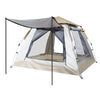
| 2/4 Person Instant Pop Up Camping Tent | 2-4 persons | N/A | 60 seconds | N/A | Hydraulic automatic setup |
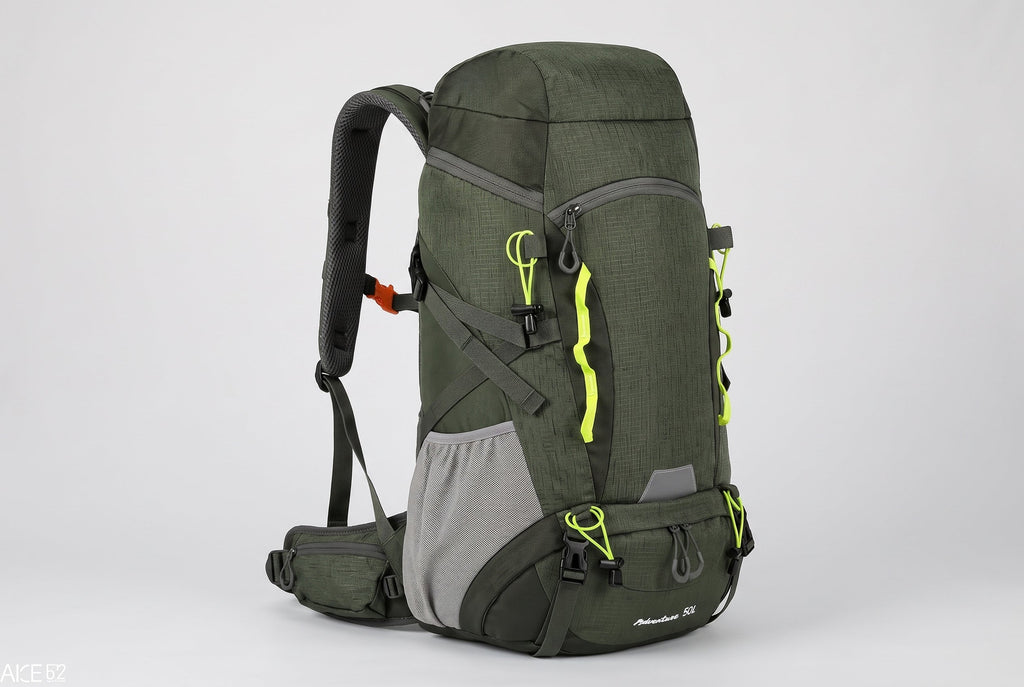
| 50L Camping Backpack | 50 liters | 38 lb | N/A | 2.51 lb | Includes rain cover |
Data verified on 2026-09-16. Sources: Finvizo official product pages.
Step-by-Step Guide to Choosing and Testing Camping Gear
Step 1: Define Your Camping Needs and Environment
Clarify your typical camping locations, climate, and trip duration before shopping. Are you car camping near a lake or backpacking in mountainous terrain? This helps focus your gear selection on what performs best in your conditions.
Step 2: Prioritize Functional Features Over Trends
Focus on gear that fits your camping style. For example, if you enjoy long evenings by the campfire, choose tents and chairs designed for comfort and durability rather than ultralight gear aimed at speed. Test ease of setup and takedown to avoid frustration in bad weather.
Step 3: Test New Gear in Low-Stakes Settings
Set up tents, backpacks, and wagons at home or on a local overnight trip before relying on them in remote locations. This reveals potential problems like poor ventilation, unexpected bulk, or difficult assembly that quick store demos can’t expose.
Step 4: Choose Versatile Gear for Multiple Seasons and Trip Types
Select gear adaptable to different weather and trip lengths. Layering clothing or modular tents lets you camp comfortably in spring, fall, and mild winter without buying separate equipment for each scenario.
Step 5: Opt for Repairable and Maintainable Equipment
Camping gear experiences wear and tear. Choose items with replaceable small parts, easy cleaning, and simple repairs requiring no special tools. Carry a basic repair kit to extend gear life and avoid being stranded with broken equipment.
For more context, see Pop Up Tent Windy Conditions.
.
Frequently Asked Questions
How do I choose camping gear that actually fits my needs?
I always recommend starting by identifying your specific trip conditions. Consider the environment, weather patterns, and whether you are car camping or backpacking. Avoid buying gear based on social media trends that do not match your actual habits. Think about your typical group size, including pets or friends, to ensure your equipment is versatile enough to adapt to your real-world outings rather than just one-off trips.
What are the most important procurement tips for backpackers?
When I am shopping for gear, I prioritize functionality over flashy features. Before committing, I test how easy items are to set up, take down, clean, and maintain. If gear traps dirt or moisture, it will not last. For backpackers specifically, I look for lightweight, repairable designs that do not require special tools, ensuring I can fix small broken parts on the trail without replacing the entire piece.
Is it necessary to test new camping gear before a big trip?
Absolutely. I never take untested gear on a remote journey. I always set up new items in my backyard for a full night first. This helps me identify issues like drafty layouts or unexpected bulkiness that a quick store demo would miss. Doing a local overnight trip close to home allows me to work out any kinks in a low-stakes setting before heading out into the wilderness.
How can I avoid buying too much camping gear?
Focus on long-term versatility. Instead of buying separate items for every scenario, I choose gear that adapts to different seasons and trip types. For example, a good base layer setup can work for spring, fall, and mild winter camping. By picking designs that allow you to add or remove parts, you avoid storing piles of rarely used equipment and save money by making your current gear more flexible.
What should I look for to ensure my camping gear lasts?
I look for simple, repairable construction. Even high-quality gear will eventually have parts that wear out, so I ensure common components like clips or fasteners are easy to replace without special tools. I also keep a basic repair kit in my pack. Choosing gear that is easy to clean and maintain prevents premature damage, which significantly extends the life of your equipment over several seasons.
Related reading
- Camping Gear Feature Comparison Guide
- Digital Nomad Outdoor Setup: Work from the Wilderness
- Camping Gear Setup & Takedown: A Step-by-Step Field Guide

Product Manager at Finvizo and an avid camper who tests gear on real trails. She writes from hands-on field experience to help you pick equipment that actually holds up outdoors.