Camping Gear Care Instructions
Proper camping gear care improves durability and performance. Regularly inspect, clean, dry, and store your gear to keep it ready for every outdoor adventure.
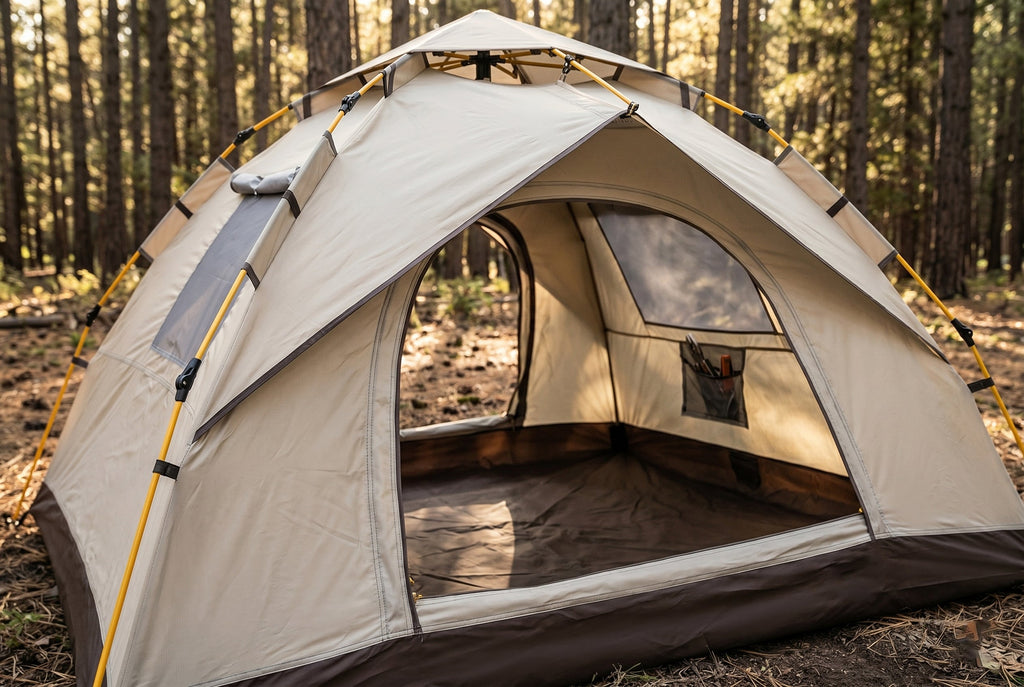
Finvizo 2/4 Person Instant Pop Up Camping Tent | Waterproof Hydraulic Automatic Setup in 60s & Dual Doors — Skip the complicated assembly
This tent exemplifies the convenience and durability that proper care routines help maintain.
View ProductCamping Gear Care Instructions
Proper camping gear care helps maintain outdoor performance, improve durability, and simplify preparation for future trips. Outdoor environments expose equipment to moisture, dust, changing temperatures, and repeated handling. Following consistent care instructions can reduce unnecessary wear and keep camping gear in better condition over time.
Inspect Camping Gear Regularly
Routine inspection helps identify small issues before they become larger maintenance concerns.
Check Equipment Immediately After Outdoor Use
After each trip, inspect camping gear carefully.
Look for:
- Surface dirt
- Signs of wear
- Moisture exposure
- Areas needing adjustment
Regular inspection supports long-term usability.
Pay Attention to Frequently Used Areas
Certain sections experience more contact and environmental exposure.
Inspect:
- Access points
- Folded areas
- Storage sections
- Ventilation openings
These locations may require more frequent care.
Separate Equipment by Care Priority
Organize camping gear according to:
- Frequency of use
- Exposure conditions
- Cleaning needs
- Storage requirements
Structured care routines often improve maintenance efficiency.
Clean Camping Gear Correctly
Cleaning is one of the most important parts of camping gear care.
Remove Dirt Before It Builds Up
Outdoor residue becomes harder to manage over time.
After use:
- Shake out debris
- Clean exposed surfaces
- Empty storage areas
- Inspect enclosed sections
Routine cleaning may reduce long-term buildup.
Use Gentle Maintenance Habits
Care routines should support equipment condition.
Helpful approaches include:
- Cleaning gradually
- Avoiding excessive pressure
- Maintaining organized handling
- Repeating light maintenance when necessary
Consistent care often performs better than occasional intensive cleaning.
Manage Moisture Carefully
Moisture exposure affects camping gear condition over time.
Useful habits include:
- Improving airflow
- Drying surfaces thoroughly
- Separating damp equipment
- Avoiding enclosed humidity
Store Camping Gear Properly
Storage conditions play a major role in preserving equipment quality.
Dry Equipment Completely Before Storage
Before packing camping gear away:
- Inspect hidden areas
- Confirm moisture removal
- Allow sufficient ventilation
- Recheck enclosed spaces
Complete drying supports future usability.
Organize Storage Areas
Arrange camping gear so it remains:
- Easy to access
- Convenient to inspect
- Protected from unnecessary exposure
- Ready for future use
Avoid Excessive Compression
Storage should maintain equipment organization and reduce unnecessary stress.
Build Long-Term Camping Gear Care Habits
Consistent care routines support better outdoor performance over time.
Perform Scheduled Equipment Reviews
Inspect stored camping gear periodically.
Review:
- Surface condition
- Storage environment
- Overall organization
- Equipment readiness
Adjust Care Frequency Based on Usage
Camping gear used more frequently may require shorter care intervals and more regular inspection.
Make Care Part of Every Outdoor Routine
Inspection, cleaning, drying, organization, and storage work together to help maintain camping gear condition across repeated outdoor use.
Numeric Facts About Camping Gear Care
| Gear | Key Care Number |
|---|---|
| Instant Pop-Up Camping Tent | 60-second setup, less handling wear |
| Collapsible Wagon Cart | Up to 600 lb load capacity |
| 45L Airflow Hiking Backpack | 45L volume, 44 lb max load |
> Data verified on 2026-09-16. Source: Finvizo official product pages.
Which Camping Gear Care Routine Is Right for You?
Choosing the right care routine depends on your camping frequency, gear types, and typical environments.
Step 1: Post-Trip Inspection and Cleaning
Immediately after every outing, inspect and clean your gear to prevent dirt and moisture buildup.
Step 2: Moisture Management
Dry tents, backpacks, and apparel thoroughly before storage, especially in humid or rainy areas common in many US regions.
Step 3: Storage Setup
Store gear in a cool, dry, ventilated place. Use breathable bags for tents and sleeping gear to prevent mildew.
Step 4: Scheduled Maintenance
Set reminders to inspect stored gear every few months. Adjust cleaning and inspection intervals based on how often you camp.
Step 5: Repairs and Adjustments
Fix minor damages promptly, such as patching holes or lubricating wagon wheels, to avoid bigger problems.
For model-level care differences, see Instant Tent vs Traditional Tent and Camping Gear Care Tips.

Our Pick: Finvizo 2/4 Person Instant Pop Up Camping Tent | Waterproof Hydraulic Automatic Setup in 60s & Dual Doors — Skip the complicated assembly
- Skip the complicated assembly. — The Finvizo Instant Pop Up Tent features a pre-assembled hydraulic spring bracket that sets up in under 60 seconds. Spacious enough for 2-4 people, it includes two large mesh doors for cross-ventilation and durable PU-coated waterproof fabric. The perfect hassle-free shelter for beginners, parks, and beach trips.
- Made with high quality — 150D oxford fabric, water resistance coating, fully taped seams, detachable rainfly and sturdy poles
- Double-door and windows design — provide a breathable and comfortable living space, mesh window allow for airflow and keep bugs out
- 2 person tent weighs — only 5.5lbs(2.5kg), 4 person tent weighs only 6.6lbs(3kg), can easily carry it with the carry bag and store it without taking up much space
Frequently Asked Questions
When should I inspect my camping gear?
In my experience, the best time to check your gear is immediately after every trip. I make it a habit to look for surface dirt, signs of wear, moisture, or any parts that need adjustment. Regular inspections help me catch small issues before they turn into major maintenance problems, ensuring my equipment stays reliable for the next time I head out into the wilderness.
What is the best way to clean my outdoor equipment?
I have found that consistent, gentle maintenance works much better than occasional deep cleaning. After each trip, I shake out debris, clean exposed surfaces, and empty storage areas to prevent buildup. By cleaning gradually and avoiding excessive pressure, I keep my gear in better condition. It is really about removing dirt before it becomes hard to manage over time.
How should I handle wet camping gear after a trip?
Managing moisture is critical for long-term durability. I always ensure my gear is completely dry before packing it away. This means improving airflow, drying surfaces thoroughly, and separating any damp items to avoid enclosed humidity. I take the time to recheck hidden areas and enclosed spaces to confirm all moisture is gone, which prevents damage and keeps everything ready for my next outing.
How should I store my gear to keep it in good shape?
Proper storage is about more than just putting things away. I organize my gear so it is easy to access and protected from unnecessary exposure. I also make sure to avoid excessive compression, which reduces stress on the materials. I periodically review my stored equipment to check its condition and organization, adjusting my care frequency based on how often I actually use specific items.
Can I machine wash my tent or backpack?
Most tents and backpacks should be spot-cleaned or hand-washed with mild soap. Machine washing can damage fabrics and coatings unless the manufacturer explicitly permits it.
How often should I perform maintenance on my camping gear?
Frequency depends on use. Gear used often needs regular cleaning and inspections, while occasional campers can schedule maintenance seasonally or every few months.
Related reading
- Camping Gear Feature Comparison Guide
- Digital Nomad Outdoor Setup: Work from the Wilderness
- Camping Gear Setup & Takedown: A Step-by-Step Field Guide

Product Manager at Finvizo and an avid camper who tests gear on real trails. She writes from hands-on field experience to help you pick equipment that actually holds up outdoors.