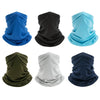
Layer by conditions
Thin and breathable for active days, heavier fleece for lift rides and wind — match the layer to the forecast.

Finvizo's skiing selection brings together balaclavas, neck gaiters and knit beanies for different levels of head, face and neck coverage. Match your layers to temperature, wind and helmet setup below.
The Finvizo Field Guide
Match head, face and neck coverage to temperature, wind and your helmet.
| Use case | What to compare | ★ Our Pick |
|---|---|---|
| High-exertion skiing | Breathability and moisture management | A thin balaclava or helmet liner for milder, active days |
| Cold lifts and wind | Fleece weight and face coverage | A fleece balaclava or windproof neck warmer |
| Everyday cold and rotation | Knit warmth and pack size | A cuffed knit beanie multi-pack for daily rotation |
I ski in the thin balaclava on working days and switch to fleece when the lift wind picks up — goggles stayed clear all week in Colorado once I stopped tucking warm breath up into them. The beanie 4-pack lives in the lodge bag; dry one every afternoon. Rotate, don't rewear.
Thin and breathable for active days, heavier fleece for lift rides and wind — match the layer to the forecast.
If you ski with a helmet, choose low-bulk liner styles and confirm the helmet still fits correctly with the layer on.
Ski layers absorb sweat every day of the trip — multi-packs keep dry pieces ready.
A balaclava gives full head and face coverage for cold, windy days; a gaiter is quicker to pull on and suits milder conditions. Many skiers carry both and switch by weather.
Both can work; feel, bulk and moisture behavior differ. Our wool vs fleece comparison breaks down warmth, weight and drying speed.
Breathable face fabrics and correct venting help — avoid sealing warm breath upward into the goggle area. Our ski face mask guide covers anti-fog fit tips.
Only thin, low-bulk knit styles — a thick beanie can change helmet fit. Check your helmet fit carefully with any layer underneath.
What are you looking for?