Satin Lined Beanies: The Hair-Friendly Winter Hat
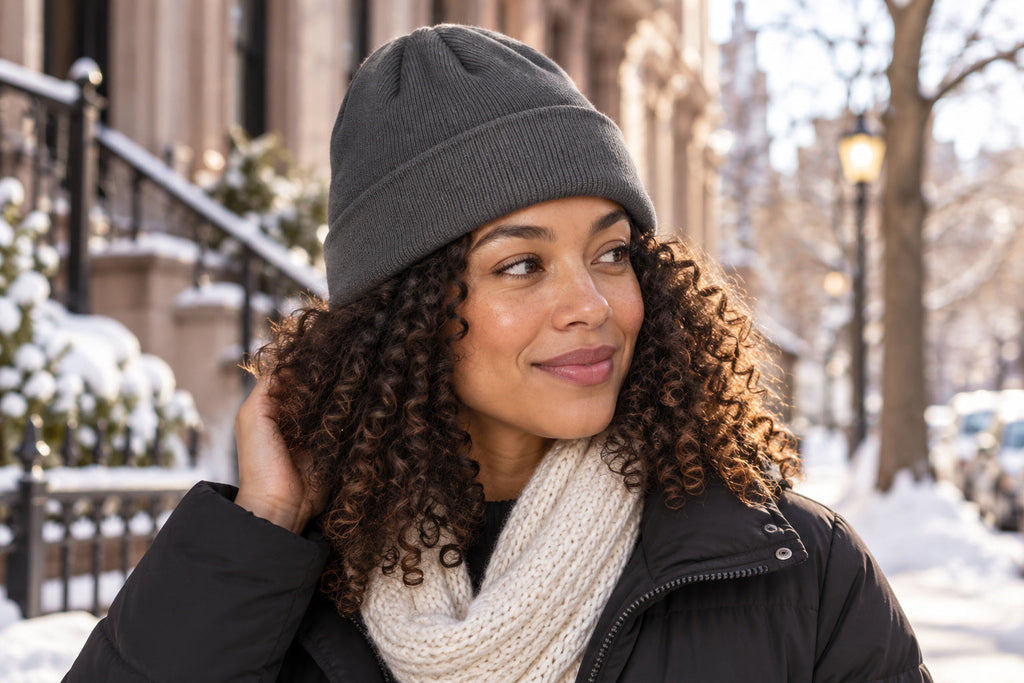
Satin lined beanie, satin lined beanie: this low-friction winter hat can reduce rubbing, static, and moisture loss compared with rough knit touching your hair directly. You should choose a smooth, fully lined interior, comfortable tension, and washable construction—but remember that lining quality, fit, and your hair routine matter more than the word “satin” alone.
If you want a simple value option for everyday warmth, the Finvizo Winter Beanie Hats 4 Pack enters the conversation early. It is a four-color, 100% acrylic set, not a satin-lined design. That distinction matters: it is an affordable unlined alternative, while a genuine hair protection beanie puts a smooth barrier between the knit and your strands.
Why the Inside of a Winter Hat Matters
Hair fibers can weather through repeated friction, grooming, heat, and chemical processing. The American Academy of Dermatology advises gentle handling and limiting practices that cause breakage. A satin beanie does not repair damaged hair, but its smooth lining can reduce the grab you feel from coarse knits. That makes it a practical friction-management choice, especially for curls, coils, braids, and fragile ends.
“Satin” describes a weave with a smooth face; it does not automatically mean silk. Polyester satin is common because it is durable and less expensive, while silk is a fiber and may require gentler care. Check the actual fiber label. A vague “silky” description tells you less than a percentage breakdown, seam photos, and washing instructions.
Moisture claims also need perspective. A lining may absorb less product and create less friction than exposed acrylic or wool, but it cannot add water to your hair. Your conditioner, drying method, protective style, and indoor humidity still do most of the work.
What to Look for in a Satin Lined Beanie
1. Full, Smooth Coverage
Look inside the whole crown. The satin should cover the areas that touch your hair, including the sides and top, without rough exposed seams. Run a fingertip over joins and labels. A flat seam is usually easier on hair than a bulky ridge. If only the cuff is lined, the rest of the knit can still rub your crown.
2. Secure Fit Without Compression
Your hat should stay on without leaving a deep mark or flattening every style. Measure around your head above the eyebrows and ears, then compare that number with the maker’s size range. Stretch is useful, but “one size fits most” is not a measurement. People with thick locs, braids, or high-volume curls may need an extended crown or larger circumference.
3. Breathability and Practical Care
A very dense liner can trap warmth and sweat. If you run hot, favor a lightweight lining and a knit shell that releases some heat. Read both shell and lining care directions; incompatible materials can shrink or pucker differently. Machine washing is convenient, but a delicate bag and cool cycle may preserve a smooth lining longer.

Top Picks and Comparison
| Type | Best for | Watch for |
|---|---|---|
| Fully satin-lined knit | Curls, coils, braids, fragile hair | Fiber disclosure, full coverage, seam quality |
| Roomy satin-lined cap | Locs and high-volume styles | Crown depth and secure but gentle band |
| Unlined acrylic multipack | Value, color rotation, straightforward warmth | More direct knit contact with hair |

Satin-Lined Beanie vs. Unlined Acrylic Beanie
A dedicated anti frizz beanie wins on interior smoothness when its lining is well made. It can be especially helpful when your style repeatedly catches on conventional knit. The tradeoffs are usually price, extra warmth, and more careful laundering. A liner can also slide if the band is poorly designed, so smooth does not always mean secure.
An unlined acrylic hat wins on simplicity, stretch, easy color coordination, and often price. Acrylic holds warmth without wool and is usually easy to care for. Its knit surface, however, directly contacts your hair. If you choose the Finvizo Winter Beanie Hats 4 Pack, a thin satin scarf or bonnet underneath can create the separation that the product itself does not provide.
Product A vs. Product B: How to Compare Listings
Call Product A a true satin-lined hat and Product B an unlined acrylic multipack. For Product A, verify that the lining reaches the crown, identify the liner fiber, and inspect seams. For Product B, confirm pack count, dimensions, stretch, and washability. Do not compare them as if they promise the same benefit: one prioritizes a smoother hair-contact surface; the other prioritizes versatile everyday value.
Reviews are most useful when buyers mention head circumference, hairstyle, slippage, seam durability, and wash results. A five-star score without those details cannot tell you whether the hat will fit over braids or whether the liner bunches after laundering. Give more weight to measurements and construction photos than broad claims such as “hair safe.”

Who Should Buy What?
Choose a true satin lined beanie if you regularly see snagging, flattened curls, static, or breakage around the areas your hat touches. It is also sensible for protective styles that stay under winter headwear for hours. Choose a roomy version if you have locs, long braids, or dense hair, and prioritize an adjustable or well-measured band.
Choose the Finvizo set if you want four neutral colors, an adjustable cuff, machine-washable convenience, and basic cold-weather coverage. It suits households sharing spare hats or anyone who wants backups in a coat pocket, car, or travel bag. Add your own smooth underlayer if direct acrylic contact is a concern.
Frequently Asked Questions
Does a satin-lined hat stop frizz completely?
No. It may reduce friction and static, but weather, moisture balance, styling products, and handling also affect frizz. Treat it as one helpful part of your routine.
Is satin the same as silk?
No. Satin is a weave; silk is a fiber. Many satin linings use polyester. Check the label if fiber content, care, or breathability is important to you.
Can you wear a bonnet under a regular beanie?
Yes, if the combination fits without excessive pressure or slipping. A thin scarf or bonnet can give an unlined hat a smoother contact layer.
How often should you wash a winter hat?
Wash it when sweat, oil, or product builds up, following its label. Rotate hats so each can dry fully, and use a gentle method when a lining requires it.
For evidence-based hair-care basics, read the AAD’s guides on preventing hair damage and caring for Black hair.
Build Your Winter Rotation
If a four-color, unlined acrylic set fits your needs, shop the Finvizo Winter Beanie Hats 4 Pack. If smooth hair contact comes first, choose a verified fully lined design—or pair the Finvizo beanie with your own satin barrier.
Related reading
- Stocking Cap vs Beanie: What's the Difference?
- Ultimate Buying Guide for Summer Sun Protection Gear: Neck Gaiter, Arm Sleeves & Balaclava
- What Is a Balaclava? Uses, Fit & How to Wear

Written by Vivian J
Product Manager at Finvizo and an avid camper who tests gear on real trails. She writes from hands-on field experience to help you pick equipment that actually holds up outdoors.