Understanding UPF Ratings: What 50+ Actually Means
TL;DR: UPF 50+ means only 1/50th — about 2% — of UV rays pass through the fabric, the highest 'Excellent' rating. For context: UPF 15 blocks 93.3% and UPF 30 blocks 96.7%, so the jump to 50 cuts your UV exposure by nearly 40% versus UPF 30. Unlike sunscreen, that protection never sweats off or needs reapplying.
Understanding UPF Ratings: What 50+ Actually Means
If you spend time outdoors, understanding UPF ratings 50 meaning can change how you protect your skin. This guide to understanding UPF ratings 50 meaning breaks down the science, the numbers, and the gear choices that keep you safer under the sun.
Sunscreen fades, sweats off, and needs reapplying every two hours. UPF-rated clothing gives you consistent, all-day protection with zero reapplication. Here's what the label really tells you.
What Is UPF? Understanding UPF Ratings and What 50 Means
UPF stands for Ultraviolet Protection Factor. It measures how much UV radiation a fabric blocks from reaching your skin. Think of it as SPF for clothing.
Unlike SPF, which only measures UVB protection, UPF covers both UVA and UVB rays. That matters because UVA rays penetrate deeper into skin and drive premature aging and skin cancer risk.
A garment's rating is tested in a lab. The number tells you the fraction of UV that passes through the fabric. UPF 50 means only 1/50th (2%) of UV rays get through.
How UPF Ratings Work: What the 50 Rating Means
Labs measure UPF by shining UV light through fabric samples and recording how much radiation passes to a sensor on the other side. The result becomes the rating printed on the tag.
Several factors raise a fabric's UPF: tight weaves, darker or brighter dyes, thicker materials, and certain fiber types like polyester and nylon. Loose, thin, white cotton often rates as low as UPF 5.
One warning: stretching, washing, and wetting a fabric can lower its real-world UPF. Quality garments are tested to maintain ratings after repeated wear and wash cycles.
UPF by the Numbers: What the Ratings Mean
Here's how the common ratings compare:
- UPF 15 blocks about 93.3% of UV rays — the minimum for a "Good" rating.
- UPF 30 blocks about 96.7% of UV rays — rated "Very Good."
- UPF 50 blocks 98% of UV rays — rated "Excellent."
- UPF 50+ blocks 98% or more — the highest category recognized.
The jump from UPF 30 to UPF 50 may look small, but it means your UV exposure drops by nearly 40% compared to UPF 30. Over hours outdoors, that adds up fast.
The Skin Cancer Foundation recommends UPF 30 or higher, and awards its Seal of Recommendation only to fabrics rated UPF 30+. Dermatologists generally advise UPF 50+ for extended outdoor activity.

Common Myths About UPF
Myth 1: All clothing protects you equally. A plain white cotton T-shirt offers roughly UPF 5 — and even less when wet. Dedicated UPF clothing is engineered and tested to a standard.
Myth 2: UPF clothing is hot and uncomfortable. Modern UPF fabrics use lightweight, moisture-wicking knits. Many wearers report feeling cooler because the fabric blocks radiant heat from direct sun on skin.
Myth 3: You don't need UPF gear on cloudy days. Up to 80% of UV rays penetrate cloud cover. If you're outside for hours, the rating on your sleeve matters regardless of the sky.
Myth 4: Dark skin doesn't need protection. While melanin offers some natural defense, it equals only about SPF 13. UV damage, hyperpigmentation, and skin cancer affect every skin tone.
Practical Sun Protection Tips
Combine strategies for the best defense. Wear UPF 50+ clothing on exposed areas like arms, neck, and shoulders — the spots that take the most direct sun during hiking, fishing, cycling, or yard work.
Apply broad-spectrum SPF 30+ sunscreen to skin your clothing doesn't cover, such as your face and hands. Reapply every two hours, or sooner if you swim or sweat heavily.
Time your outings when possible. UV intensity peaks between 10 a.m. and 4 p.m. Check your local UV index before long outdoor sessions, and seek shade during peak hours.
How to Choose UPF Clothing
Look for a clearly labeled UPF 50+ rating from a brand that tests its fabrics. Avoid vague claims like "sun protective" without a number behind them.
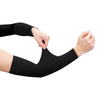
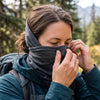
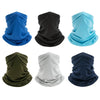
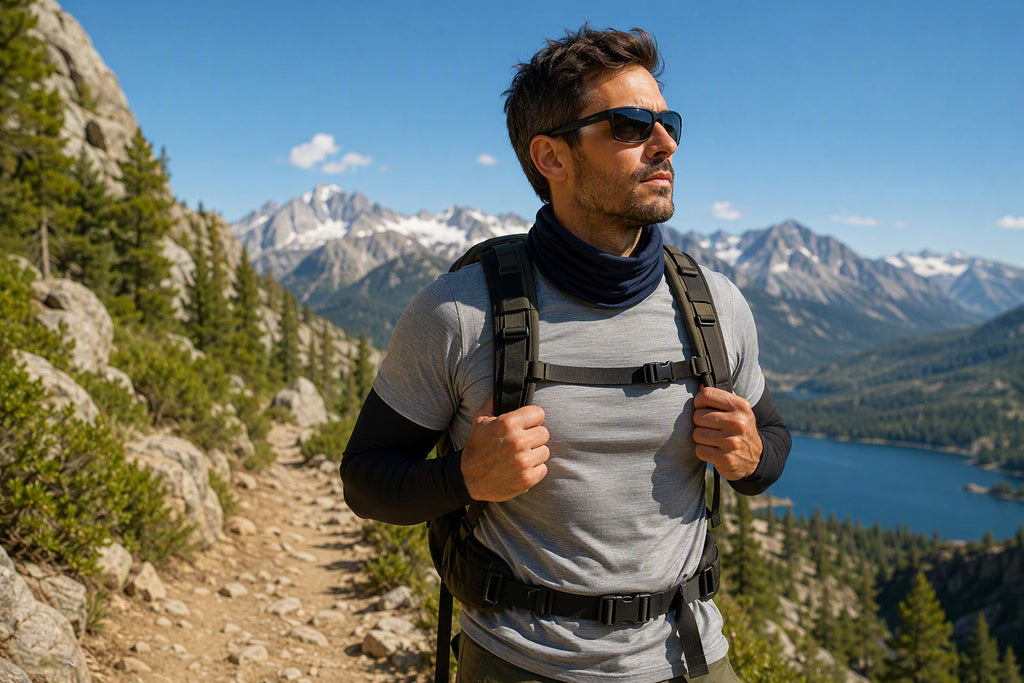
Choose coverage that matches your activity. Arm sleeves and neck gaiters protect your most-exposed zones without the bulk of a full long-sleeve shirt — ideal in hot weather.
Check fabric feel and fit. Lightweight, breathable, four-way-stretch fabric stays comfortable for hours and won't slip down while you move. Flat seams prevent chafing on long outings.
The Finvizo Sleeves & Sets Collection offers UPF 50+ arm sleeves and neck gaiters built for exactly this: breathable, cooling, and tested for all-day UV defense.

FAQ
Is UPF 50 better than sunscreen SPF 50?
They work differently and pair well together. UPF 50 fabric blocks 98% of both UVA and UVB rays consistently, while sunscreen can wear off, apply unevenly, or miss spots. Clothing is your most reliable baseline protection.
Does UPF wash out of clothing?
Quality UPF garments achieve their rating through weave density and fiber type, so the protection lasts the life of the garment. Cheaper fabrics with chemical coatings may lose effectiveness after many washes — check the brand's care guidance.
Do I still need sunscreen if I wear UPF 50+ sleeves?
Yes — but only on uncovered skin. UPF clothing protects exactly what it covers. Apply SPF 30+ to your face, hands, and any gaps between garments for complete protection.

CTA: Gear Up With UPF 50+ Protection
Now that you know what the rating means, put it to work. Finvizo's UPF 50+ arm sleeves and neck gaiters block 98% of UV rays while staying cool and breathable — no reapplying, no guesswork.
Shop the UV Arm Sleeves 4-Pack or the Neck Gaiter + Arm Sleeves Set and head outside with confidence. Your skin will thank you — learn more about why at the Skin Cancer Foundation.
Related Guides
- Finvizo Sleeves & Sets Collection
- UV Arm Sleeves 4-Pack
- Neck Gaiter + Arm Sleeves Set
- Finvizo Neck Gaiter Collection
- 6-Pack Neck Gaiter
- Best Neck Gaiter for Fishing
- Do Arm Sleeves Actually Keep You Cool

Written by Vivian J
Product Manager at Finvizo and an avid camper who tests gear on real trails. She writes from hands-on field experience to help you pick equipment that actually holds up outdoors.