Best Neck Gaiters 2026: Sun, Dust & Cold Picks
Best Neck Gaiters 2026: Sun, Dust & Cold Picks
The best neck gaiters match fabric and coverage to conditions; your neck gaiters should use lightweight moisture-wicking cloth for sun and dust or insulating fleece for cold. For warm-weather versatility, the Finvizo Cooling Neck Gaiter 4/8-Pack combines listed UPF 50+ coverage with several wearable configurations.
What to Look for in Neck Gaiters
A neck tube is a simple fabric loop, but small material differences matter. Thin stretch polyester can move moisture and dry quickly. Fleece traps more warm air but may feel too hot during hard effort. Check whether the upper edge stays in place without painful pressure, especially if you plan to pull the gaiter over your nose.
Sun coverage and UPF
UPF describes how much ultraviolet radiation fabric transmits; UPF 50 permits about 1/50, or 2%, through under test conditions. Real coverage changes with stretch, wear, moisture, and gaps. The U.S. Environmental Protection Agency’s sun-safety guidance recommends combining clothing with shade and broad-spectrum sunscreen, so treat your gaiter as one part of protection.
Dust and cold
A loose buff can reduce direct contact with windblown grit, but it is not a certified respirator. If your work creates hazardous airborne particles, use task-appropriate respiratory protection. In winter, choose a fleece neck gaiter that covers gaps around your collar, yet remains breathable enough that condensation does not soak the fabric.
Top Picks and Neck Gaiter Comparison
Choose by environment rather than marketing labels. A cooling gaiter is the versatile warm-weather pick for fishing, cycling, running, and yard work. A thin multi-use buff wins when you value headband and head-wrap modes. Fleece works for low-output cold exposure. Reflective winter styles help visibility, but reflective details never replace lights or attentive road positioning.
| Type | Best conditions | Main benefit | Watch for |
|---|---|---|---|
| Cooling stretch tube | Sun and heat | Light, quick-drying versatility | Coverage gaps |
| Thin multi-use buff | Travel and mixed activity | Many wearing styles | Limited insulation |
| Fleece neck gaiter | Cold and wind | Greater warmth | Moisture buildup |
| Filtered or rated protection | Hazardous particles | Task-specific protection | Fit and certification |

Our Warm-Weather Pick: Finvizo Cooling Neck Gaiter 4/8-Pack
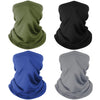
The Finvizo Cooling Neck Gaiter 4/8-Pack uses lightweight stretch polyester with moisture-wicking performance and listed UPF 50+ fabric coverage. It measures approximately 17.8 × 9.6 inches and comes in one-size-fits-most 4-pack or 8-pack options, making rotation easier when one tube is wet or being washed.
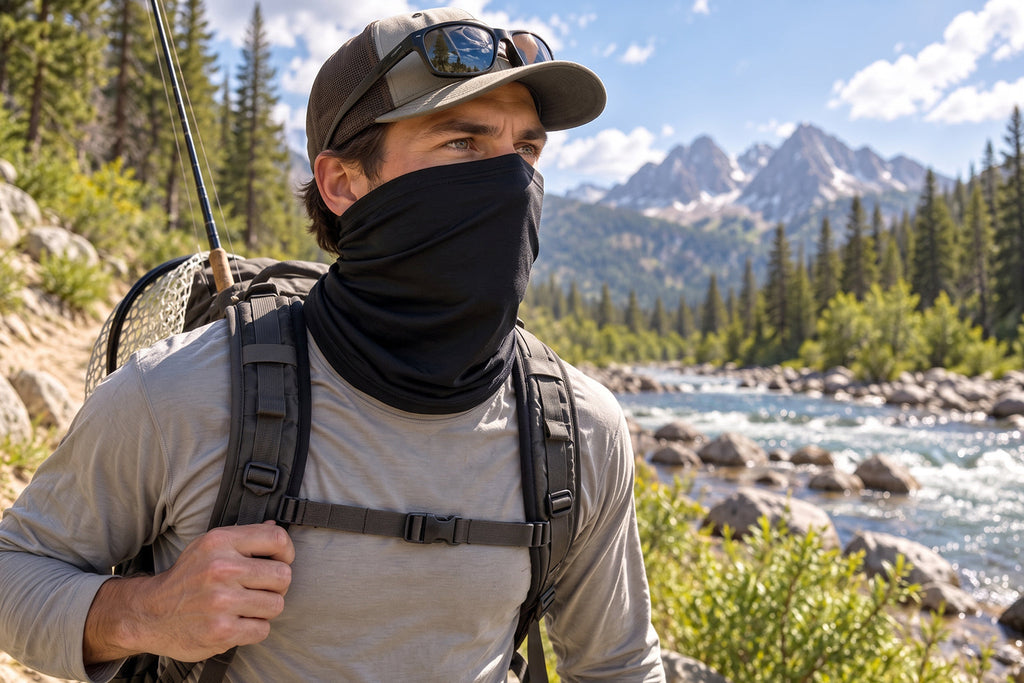
You can wear the Finvizo gaiter around your neck, over your lower face, as a head wrap, headband, or bandana. It is listed as machine washable. Cooling still depends on airflow, humidity, exertion, and moisture, so do not interpret the product name as a guarantee of a specific skin-temperature reduction.

Cooling Neck Gaiter vs Fleece Neck Gaiter
A cooling neck gaiter emphasizes evaporation and breathability; a fleece neck gaiter emphasizes insulation. Choose the former for summer sun, dusty trails, or aerobic activity. Choose fleece for cold chairlifts, winter chores, and low-intensity use. If you alternate between hard climbs and stationary breaks, carry both: swap the damp lightweight tube before adding warm fleece.
Heat illness can occur even with cooling accessories. The Occupational Safety and Health Administration’s heat-illness guidance lists confusion, slurred speech, and unconsciousness as heat-stroke warning signs requiring emergency action. Your gaiter should supplement water, rest, shade, and an appropriate pace—not encourage you to ignore symptoms.
Who Should Buy What
If you fish, ride, run, or garden in warm conditions, the Finvizo Cooling Neck Gaiter 4/8-Pack offers useful face, neck, and head configurations. If you mainly ski or work outdoors below freezing, select fleece. For occasional travel, a thin neutral-color neck tube packs smallest and works as an eye shade or headband.
Fit matters more than pack count. Pull the fabric over your face and speak, breathe, and turn your head. It should stay up without pressing hard on your nose or ears. Wash a used gaiter before rotating it back into service, and replace it when thinning, stretched seams, or damage compromises coverage.

Cost per trip is where multi-packs win. Our Finvizo Breathable Neck Gaiter 4-pack runs $14.98 — under $3.75 apiece — so keeping one in the truck, one in the daypack, one in the tackle bag, and one in the wash costs less than a single branded tube. If four is not enough rotation for a work crew or a tournament week, the same gaiter also comes in an 8-pack.
Rotation matters because fabric performance is hygiene-dependent. Sunscreen and bug spray degrade stretch fibers, so rinse a gaiter the same day it gets sprayed, wash cold with mild detergent, and skip the dryer — heat is what kills the elastic recovery that keeps the tube up over your nose. Retire a gaiter when you can see light through stretched fabric; UPF protection drops as the knit thins.
One fit check before any long day: pull the fabric over your nose and ears, turn your head both ways, and breathe hard for thirty seconds. The right size stays put without pinching; if you are constantly tugging it back up, size or style is wrong, not your technique.
FAQ
What is the best material for a neck gaiter?
Light stretch polyester suits heat and active use because it dries quickly. Fleece is better when insulation is your priority. Your ideal choice depends on weather and exertion.
Do neck gaiters protect you from the sun?
A gaiter with a stated UPF rating can reduce UV exposure on covered skin. Stretch, damage, moisture, and incomplete coverage may affect performance, so combine it with other sun-safety measures.
Is a neck gaiter suitable for hazardous dust?
Do not assume an ordinary fabric neck tube is a certified respirator. Use respiratory protection rated and fitted for the specific workplace or environmental hazard.
How do you wash a neck gaiter?
Follow its care label. The featured Finvizo gaiter is listed as machine washable; use mild detergent and let it dry completely before storage or reuse.
Choose Coverage for Your Conditions
For lightweight, multi-position warm-weather coverage, see the Finvizo Cooling Neck Gaiter 4/8-Pack. You can also compare the complete neck gaiter collection for fleece and seasonal alternatives.
Related reading
- Ultimate Buying Guide for Summer Sun Protection Gear: Neck Gaiter, Arm Sleeves & Balaclava
- Balaclava vs Ski Mask vs Neck Gaiter: Winter Face Cover Guide
- Fishing Face Cover vs Neck Gaiter vs Sun Mask: What's the Difference?

Written by Vivian J
Product Manager at Finvizo and an avid camper who tests gear on real trails. She writes from hands-on field experience to help you pick equipment that actually holds up outdoors.