Best Fleece Neck Gaiters for Cold Weather 2026
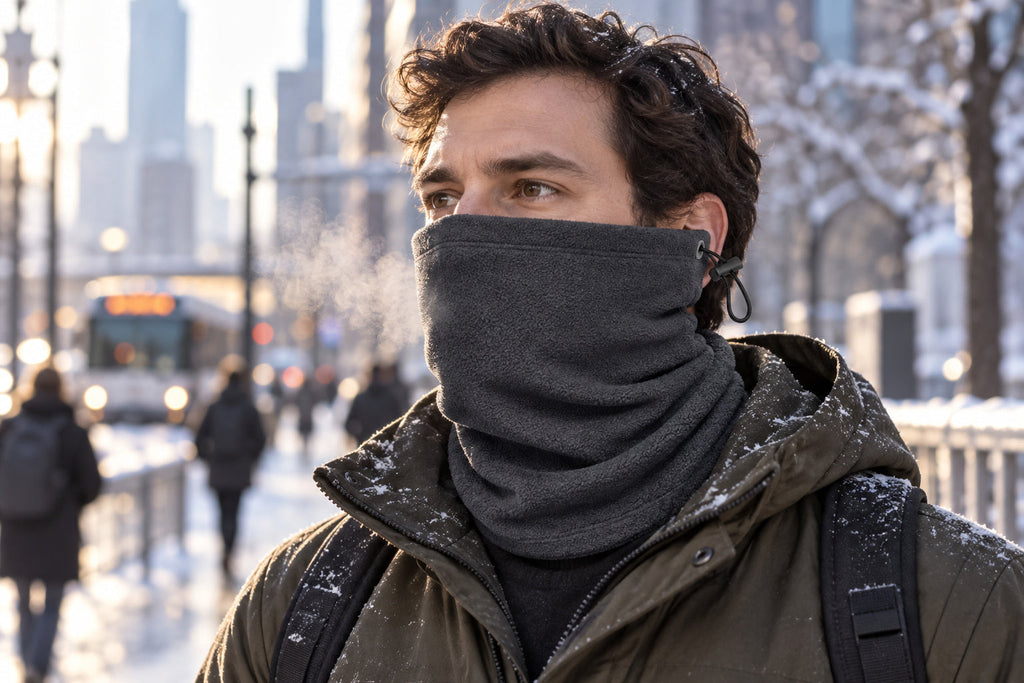
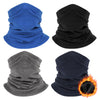
A fleece neck gaiter should balance warmth and breathing; a fleece neck gaiter with an adjustable opening is the most flexible choice for changing activity. For 2026, the Finvizo Winter Neck Gaiter Fleece 4 Pack stands out for its polar-fleece fabric, quick-adjust buckle, washable construction, and useful four-piece rotation.
What to Look for in a Fleece Neck Gaiter
Begin with output level. Walking a dog in still air requires more insulation than running uphill, where trapped heat and moisture can become uncomfortable. A warm neck gaiter should close gaps at your collar without feeling restrictive. If you pull it over your lower face, it must leave your vision clear and breathing comfortable.
Fabric changes the experience. Polar fleece supplies loft and warmth for its weight, dries faster than many heavy natural fabrics, and feels soft against skin. It is still not windproof by definition. Look for a close weave, adequate height, and an adjustable top edge if you expect gusts or want several wearing positions.
Fit deserves more attention than “one size.” Measure from the bridge of your nose to below your collar, then compare the product height. Check circumference, stretch, seams, and adjuster placement. A buckle should sit away from pressure points under a helmet, and the tightened opening should never interfere with hearing, sight, or breathing.
Cold protection is a system. NIOSH cold-stress guidance recommends appropriate clothing and planning for cold conditions. Pair your gaiter neck fleece with a hat, dry base layers, gloves, and weather-appropriate outerwear. Take warm breaks and replace wet layers rather than relying on one accessory.
Read the forecast, including wind chill. The National Weather Service cold-safety guidance explains frostbite and hypothermia risks and emphasizes preparation. A gaiter adds coverage; it is not protective equipment for every temperature, duration, or exposure. Shorten the outing when conditions exceed your clothing or experience.
Top Picks and Comparison
| Style | Best use | Warmth | Main trade-off |
|---|---|---|---|
| Adjustable polar fleece | Commuting, hiking, outdoor work | High | Can feel warm during hard efforts |
| Thin synthetic tube | Running and active layering | Low–medium | Less insulation when stationary |
| Fleece-lined wind panel | Exposed cycling or skiing | High | More structured fit |
| Merino blend | Multi-day odor management | Medium | Often costs more |
An adjustable polar-fleece tube is the broadest-value option for stop-start winter days. You can lower it to vent heat, raise it over your mouth in wind, or use it as an ear cover. A thin tube works better for high-output running. A wind-panel model makes sense for sustained speed, while merino appeals to longer trips.

Our Pick: Winter Neck Gaiter Fleece 4 Pack
Our pick is the Finvizo Winter Neck Gaiter Fleece 4 Pack. The product page specifies 100% polyester polar fleece and an approximate 11.5-by-10-inch size. A quick-adjust buckle helps draw the top edge closer, while the four-piece pack supports rotation between wear and washing.
The page lists one size fits most and machine-washable care. Those are practical claims, but individual fit still varies. Test the buckle with your coat and any helmet before a long outing. Keep the opening below your eyes, avoid excessive tension, and follow the helmet maker’s instructions rather than bunching fabric beneath the retention system.
The Finvizo Winter Neck Gaiter Fleece 4 Pack is strongest for mixed routines: commuting on Monday, shoveling snow on Tuesday, and hiking on Saturday. Four pieces let you keep one in a work bag, one near the door, one in a vehicle emergency kit, and one clean at home.

Adjustable Fleece vs Thin Stretch Gaiter
Choose adjustable fleece when you spend meaningful time standing, walking slowly, or working in cold air. Loft traps warm air, and the cord lets you close the top without relying only on stretch. The same insulation can become clammy during hard intervals, so lower the gaiter early instead of waiting until you sweat heavily.
Choose a thin stretch tube when moisture transfer and compact packing matter more than maximum insulation. It fits more smoothly beneath some helmets and can cover more skin without bulk. On long stationary stretches, however, you may need a separate insulated collar or wind-resistant outer layer.
Choose a shaped wind-panel gaiter for repeated exposure to speed, such as cycling or downhill skiing. Confirm that the panel aligns with your face and that vents do not channel moisture toward goggles. A universal tube is simpler, but the most comfortable design is the one that stays stable without constant adjustment.
Who Should Buy What
Choose adjustable polar fleece
You should choose the Finvizo four-pack if your winter week includes different low-to-moderate intensity tasks and you value spares. The 11.5-by-10-inch listed size offers substantial coverage, while the buckle can refine the top opening. Wash after sweaty use and dry each piece fully before storage.
Choose a lighter tube
You should choose a lighter winter neck gaiter if you run hard, climb continuously, or usually overheat. Carry an insulated backup for rest stops. Moist fabric loses comfort quickly in wind, so adjust layers before sweat accumulates and keep a dry replacement in a sealed bag.
Choose more facial coverage
You should consider a balaclava or purpose-built face system when exposed skin, helmet integration, and stable coverage are priorities. Check compatibility with goggles and breathing vents. No neck gaiter replaces certified respiratory protection, and ordinary fleece should not be represented as medical or industrial protective equipment.

Our Finvizo Winter Neck Gaiter 4-pack keeps the math simple: $18.99 for four windproof fleece tubes — about $4.75 apiece — with a 6-pack option for ski weeks or families. That is rotation pricing, so a dry spare always lives in your jacket.
FAQ
Is fleece too warm for running?
It can be during high-output efforts. Start with the gaiter low around your neck, vent before you sweat, and carry a lighter option for sustained running. Weather, pace, and personal heat output matter more than the activity label.
How should a fleece gaiter fit?
It should cover the collar gap without choking or limiting head movement. When raised, it should stay below your eyes and permit easy breathing. Adjust a cord gently and keep hardware away from pressure points under helmets.
How often should you wash a neck gaiter?
Wash it after sweaty or visibly dirty use and follow the care label. The featured Finvizo set is listed as machine washable. Use mild detergent, avoid storing it damp, and rotate clean pieces when wearing one daily.
Can a neck gaiter prevent frostbite?
It adds coverage but cannot guarantee protection. Frostbite risk depends on temperature, wind, moisture, exposure time, circulation, and total clothing. Follow official cold-weather guidance, cover exposed skin, and seek shelter if numbness or skin changes develop.
Choose Your Cold-Weather Rotation
If you want adjustable fleece coverage and clean spares, review the colors, size, and care details for the Finvizo Winter Neck Gaiter Fleece 4 Pack. Match it with your activity level, outer layers, and forecast rather than treating one accessory as a complete cold-weather system.
Related reading
- Ultimate Buying Guide for Summer Sun Protection Gear: Neck Gaiter, Arm Sleeves & Balaclava
- Balaclava vs Ski Mask vs Neck Gaiter: Winter Face Cover Guide
- Fishing Face Cover vs Neck Gaiter vs Sun Mask: What's the Difference?

Written by Vivian J
Product Manager at Finvizo and an avid camper who tests gear on real trails. She writes from hands-on field experience to help you pick equipment that actually holds up outdoors.