Fall Hiking Layering: From Summer Gaiters to Cool-Weather Gear
Fall hiking requires a flexible layering system: a moisture-wicking base, an insulating mid-layer, and adjustable accessories to manage changing temperatures.
Why Layering Matters More in Transitional Weather
The first weekend of September last year, I started a trail in Colorado at 8 a.m. wearing a short-sleeve shirt and my usual summer neck gaiter. By noon, the temperature had dropped twenty degrees, a wind had picked up, and I was digging through my pack for layers I hadn't thought I'd need. Fall hiking in most of the U.S. means dealing with temperature swings that can catch you off guard if your layering system isn't flexible. The good news: you don't need a completely new wardrobe to transition from summer to fall. Most of your sun-protection gear, with a few strategic additions, adapts perfectly to cooler weather. If you're still deciding which pieces belong in your kit in the first place, our comparison of neck gaiters, balaclavas, and arm sleeves explains how each one fits into a year-round layering strategy.
Summer hiking is simple: wear as little as possible while still blocking UV, and accept that you'll sweat. Fall is more complicated. Morning temperatures can be in the low forties, midday can spike to the seventies, and shade or ridge-top wind can make it feel twenty degrees colder than the thermometer suggests. The key to staying comfortable is a layering system that lets you add or subtract insulation quickly without stopping for ten minutes to reconfigure your whole outfit.
I think of fall layers in three parts: a moisture-managing base, an adjustable insulating mid layer, and targeted protection for extremities that lose heat fastest—your head, neck, ears, and hands. The last one is where most people under-pack. A lightweight summer gaiter might feel like enough at the trailhead, but when the wind hits a sweaty neck at elevation, you'll wish you had something warmer.
Base Layer: Moisture Management Is Everything
Your base layer's job doesn't change from summer to fall: move sweat away from your skin before it cools and chills you. In summer, a synthetic or merino short-sleeve shirt handles this fine. In fall, I switch to long-sleeve merino or a lightweight synthetic with a quarter-zip for venting. The weight stays the same—I'm not pulling out heavy thermal layers yet—but the coverage matters.
Here's a detail I learned from a soggy October hike in the Smokies: avoid cotton at all costs in transitional weather. A cotton shirt that gets damp from sweat or drizzle stays wet for hours and pulls heat away from your body five times faster than dry air. Synthetic and merino fabrics dry while you walk, which keeps your core temperature stable even when the weather turns.
For my arms, I still wear UPF 50+ arm sleeves on sunny fall days. They add a surprising amount of warmth for how thin they are, and they block UV that reflects off autumn foliage and rock faces. When I overheat on a steep climb, I just roll them down to my wrists instead of stripping off a whole layer. It's faster than removing a jacket and doesn't leave my pack in disarray.
Mid Layer: When to Add Fleece or Lightweight Insulation
My rule for fall hiking is simple: start cold. If I'm comfortable at the trailhead, I'm going to overheat ten minutes into the climb. I carry a lightweight fleece or synthetic puffy in my pack and put it on during breaks, at summits, or when the trail drops into a shaded valley. The mid layer comes off before I start sweating again—never let it become a sauna.
Packability matters here more than raw warmth. I look for fleeces that compress to the size of a water bottle and synthetic puffies that still insulate when damp. Down is warmer for the weight, but if you're hiking in areas with morning dew or unpredictable drizzle, synthetic fill is more reliable in fall conditions.
Venting options are underrated. A fleece with a full zip lets you dump heat without removing the layer entirely. Pit zips on a lightweight shell serve the same purpose. I use these constantly on fall hikes where the grade changes and my heat output swings with it.
Neck and Face Protection: Swapping Cooling Gaiters for Fleece
This is where the seasonal transition gets real. My summer cooling gaiters are thin, breathable, and designed to wick sweat in ninety-degree heat. They're not built for wind chill or temperatures below sixty. When fall arrives, I switch to a fleece neck gaiter or a balaclava that covers my neck, ears, and the lower half of my face.
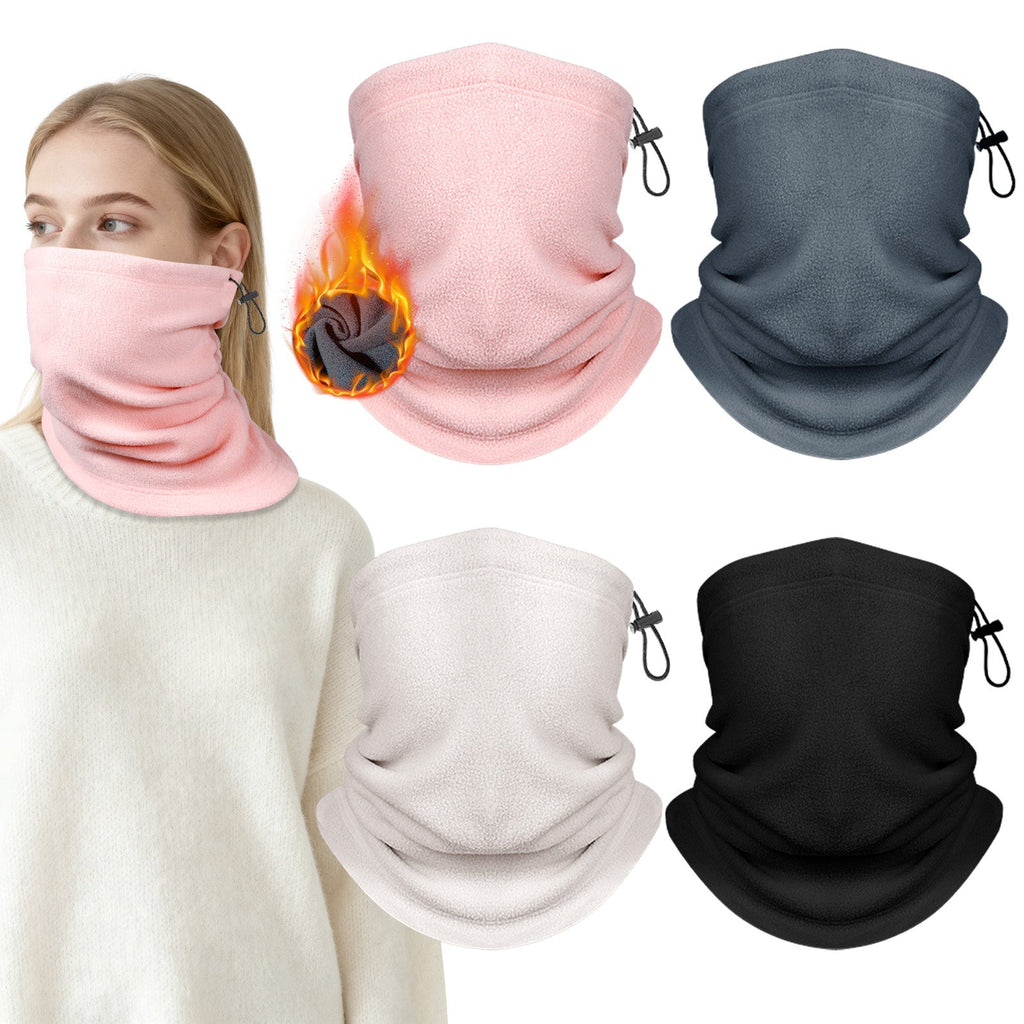
The difference is immediate. A fleece gaiter traps warm air around your neck and jawline, which are major heat-loss zones. I can pull it up over my nose when the wind hits, then drop it to vent heat on a steep uphill. The Finvizo Fleece Neck Gaiter 4-Pack is what I keep in my fall kit. The fabric is thick enough to block wind but still breathable enough that I'm not suffocating on a hard climb. Having four in the pack means I can dedicate one to hiking, one to running, and rotate the others through the wash.
For colder mornings or exposed ridgelines, I go with a full balaclava. The Finvizo Winter Balaclava covers my entire head and neck with a windproof fleece layer, leaving only my eyes and mouth exposed. It's overkill for a fifty-degree afternoon, but at dawn or above treeline, it's the difference between enjoying the view and turning back early.
Arm Protection in Cooler, Still-Sunny Conditions
A lot of hikers ditch arm protection entirely once summer ends. That's a mistake. UV index drops in fall, but it doesn't disappear. At higher elevations, UV exposure can still reach summer levels, and reflective surfaces like granite, snow patches, and water amplify it. I've gotten some of my worst shoulder burns in October at altitude because I assumed the sun was "weaker."
My fall solution is to wear arm sleeves under a long-sleeve base layer. The sleeves add UPF 50+ protection without bulk, and if the day warms up, I can push them down or remove them without stripping my shirt. On overcast days, they stay in my pack. On sunny ridge walks, they're the difference between a comfortable descent and a night of aloe vera.
The transition season also means shorter days. If your hike runs longer than expected and the temperature drops at sunset, those same sleeves add a thin thermal layer that buys you time to get back to the trailhead. It's not insulation, but it's better than bare skin in a fifty-degree breeze.
Pack Essentials for Unpredictable Fall Weather
Beyond clothing, my fall pack always includes a few items that summer hiking doesn't demand. A lightweight rain shell lives in my pack from September through November, even on days with zero precipitation in the forecast. Mountain weather turns fast, and a soaking rain in sixty-degree weather is manageable; a soaking rain in forty-five-degree weather is dangerous.
I also carry a spare base layer. If my shirt gets soaked from sweat or rain, changing into a dry one at the summit or during a long break prevents the kind of conductive heat loss that leads to hypothermia. It weighs almost nothing and has saved more than one hike.
Finally, I pack an emergency bivvy or space blanket. It's not clothing, but if you get caught out after dark or an injury slows you down, having a reflective layer to wrap around yourself is critical. I've never needed it, but the one time I did lend it to another hiker on a windy plateau, it turned a potential evacuation into a manageable wait for help.
Essential Fall Gear Comparison
| Feature | Summer Gaiter | Fleece Neck Gaiter | Winter Balaclava |
|---|---|---|---|
| Primary Function | UV Protection/Cooling | Heat Retention | Wind/Cold Protection |
| Ideal Temp Range | 65°F+ | 40°F – 60°F | Below 45°F |
| Breathability | High | Moderate | Low (Windproof) |
| Coverage | Neck Only | Neck/Jaw | Full Head/Neck |
> Data verified on 2026-09-16. Source: Finvizo Product Pages.
Step-by-Step: Transitioning Your Kit
- Audit your base layers: Remove cotton garments and replace them with moisture-wicking synthetic or merino wool long-sleeve options.
- Swap accessories: Replace cooling-specific cooling neck gaiters with fleece-lined options for better heat retention.
- Pack for the cold: Add a lightweight, compressible mid-layer (fleece or synthetic puffy) to your pack, even if the trailhead temperature is mild.
- Prepare for UV: Keep your UPF 50+ arm sleeves accessible for high-altitude or reflective-surface hikes where UV risk remains high.
- Add emergency gear: Include a lightweight rain shell and a space blanket to manage unexpected weather shifts and shorter daylight hours.
FAQ
Can I wear my summer neck gaiter in fall weather?
A thin cooling gaiter works for mild fall days above sixty degrees, but it won't block wind or retain heat when temperatures drop. For consistent comfort in transitional weather, switch to a fleece gaiter or balaclava that covers more surface area and traps warm air.
What is the best layering system for fall hiking?
Start with a moisture-wicking long-sleeve base layer, add a lightweight packable fleece or synthetic puffy for stops and cold sections, and carry a rain shell. Target heat-loss zones—neck, ears, head, and hands—with accessories that can be adjusted without removing your pack.
Do I still need sun protection in the fall?
Yes. UV exposure decreases in fall but does not disappear, especially at higher elevations and near reflective surfaces like rock, water, and early snow. UPF-rated arm sleeves and gaiters still provide valuable protection during long exposed hikes.
How do I avoid overheating when layering in fall?
Start slightly cold at the trailhead, use zippered layers for venting, and remove insulation before you begin sweating heavily. Accessories like neck gaiters and arm sleeves allow micro-adjustments without the hassle of stripping full layers.
Should I pack differently for fall day hikes compared to summer?
Yes. Add a lightweight rain shell, a spare base layer, and warmer neck or head coverage. Carry an emergency reflective blanket. Fall days are shorter, so a headlamp becomes essential even for hikes that would have been entirely daylight in July.
When should I switch from a gaiter to a balaclava?
Use a balaclava when temperatures drop below fifty degrees, wind exposure is significant, or you're starting before dawn. It covers more skin and blocks wind more effectively than a standard neck gaiter. For milder fall days, a fleece gaiter is usually enough.
Getting your fall layering right means more comfortable miles and safer transitions as the season changes. Before your next multi-day adventure, run through our essential camping gear checklist to make sure you've got the clothing, shelter, and emergency items covered for whatever the trail throws at you.
Related reading
For more information on selecting the right gear for your climate, see our camping gear checklist and our guides on seasonal protection.

Product Manager at Finvizo and an avid camper who tests gear on real trails. She writes from hands-on field experience to help you pick equipment that actually holds up outdoors.