Cooling Towel vs Regular Wet Towel: Does It Actually Work Better?
Cooling Towel vs Regular Wet Towel: Does It Actually Work Better?
When summer heat hits, you might grab whatever towel is handy. But does a cooling towel vs wet towel comparison have a clear winner? If you've wondered whether specialized cooling towels are worth upgrading from a soaked regular towel, here's the science-backed answer.
Quick Comparison Table
Here's how these two options stack up across the categories that matter.
| Feature | Cooling Towel | Regular Wet Towel |
|---|---|---|
| Cooling Duration | 1-3 hours | 10-20 minutes |
| Temperature Drop | 20-30°F below ambient | 5-10°F temporary |
| Activation | Soak, wring, snap | Soak only |
| Weight (Dry) | 2-3 oz | 8-16 oz |
| Reactivation | Re-wet instantly | Must fully re-soak |
| Drying Time | 30-60 minutes | 4-8 hours |
| Portability | Pocket size | Bulky |
| UPF Protection | UPF 50 available | None |
| Washability | 200+ uses | Varies |
| Price | $15-30 multi-pack | $3-8 each |
| Best For | Athletes, hikers | Short tasks, emergencies |
What Is a Cooling Towel?
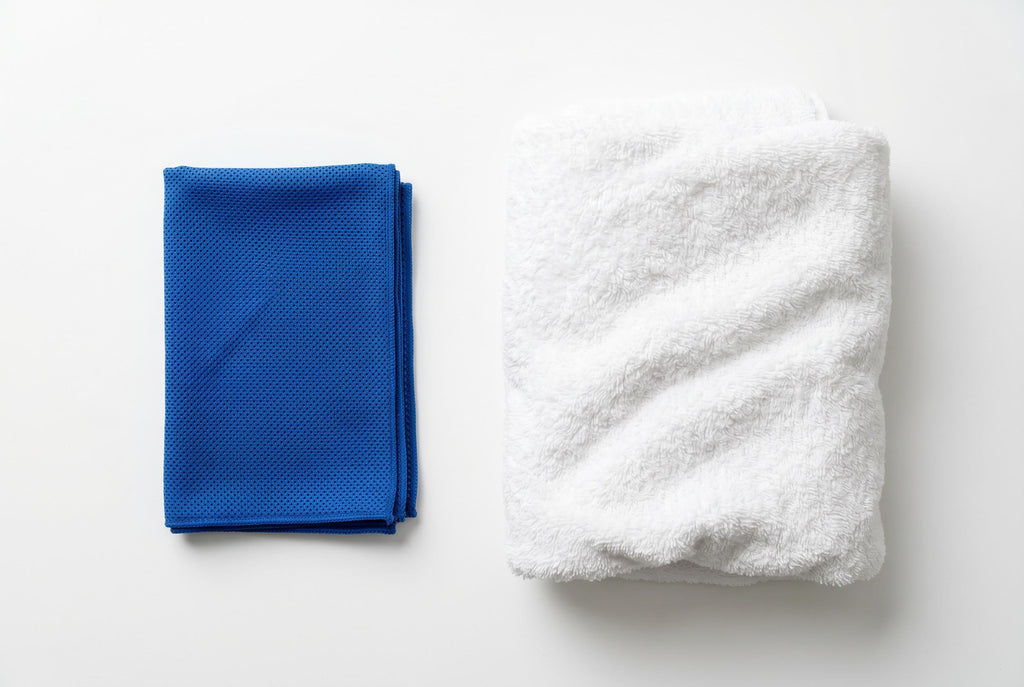
A chill wrap is purpose-built outdoor cooling gear comparison gear using engineered fabrics for sustained evaporative cooling. Unlike regular towels, these wraps use polyvinyl alcohol (PVA) blends designed to control evaporation rate. As water evaporates, it draws heat from your skin, creating measurable temperature drops.
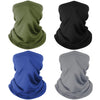
The activation method for these towels involves soaking, wringing, and snapping to trigger airflow across damp fibers. This activates the evaporative cooling science. Quality options like the Finvizo 4-Pack use PVA microfiber material that retains water without dripping, provides UPF 50 protection, and delivers instant cooling up to 3 hours at just 2.4 oz each.

What Is a Regular Wet Towel?
A regular wet towel is any standard cotton towel soaked in water and draped over your neck. It's the old-school approach, providing temporary relief through conduction vs evaporative cooling. The cool water draws heat from your skin, feeling refreshing for a few minutes.
However, cotton towel evaporation has serious outdoor limitations:
- Rapid drying: Leaves you with a warm rag within 10-20 minutes.
- Drip mess: Doesn't hold water efficiently, soaking clothing.
- Heavy: Weighs 1-2 pounds when soaked.
- Bulky: Takes significant pack space even when dry.
- No UV protection: Unlike UPF-rated cooling towels.
- No reactivation: Once dry, full re-soaking is required.
Cooling Duration Comparison
This is where the duration comparison matters most. A quality PVA vs microfiber comparison wrap maintains active cooling for 1-3 hours. In testing by TODAY.com's product team, popular cooling towels held surface temperatures 25-30°F below ambient for over 2 hours in dry heat.
Humidity affects evaporation significantly. In low humidity (below 40%), cooling peaks. Above 70%, evaporation slows, but engineered water retention fabric in chill wraps still outperforms cotton by holding moisture at the skin surface. A regular wet towel in humidity becomes a warm burden fast.
Portability and Convenience
These wraps weigh 2-3 ounces dry and fold to deck-of-cards size. When dehydrated, they become stiff and easy to stash in a hip pocket. Quick-dry properties mean no damp, mildew-prone items at day's end.
Regular towels are the opposite: 3-5 ounces dry, ballooning to 16+ ounces wet. That damp cotton towel in your pack stays wet for hours and develops odors. For anyone counting ounces, the cooling towel wins.

Cost-Effectiveness
Regular towels seem cheaper at $3-8 each. But reusable cooling products tell a different story. A quality cooling towel rated for 200+ wash cycles costs roughly $5-7 per towel in a multi-pack. Over two years of weekend use, per-use cost drops to pennies.
Regular cotton towels used outdoors face sun exposure and repeated soaking. Many develop odors and fray within a season. Chill towels handle this abuse better, delivering superior long-term value.
Best Use Cases for Each
Here's where each option honestly makes the most sense.
Choose a chill wrap when: You're running, hiking, cycling, or doing any activity over 30 minutes. The sustained cooling, lightweight design, and UPF 50 sun protection make it purpose-built. If you need reliable gear, the Finvizo 4-Pack Cooling Towels deliver phase change material cooling with machine washable convenience and drip-free design.
Choose a regular wet towel when: You need emergency cooling, a quick 15-minute yard task, or you don't have a cooling towel available. A soaked regular towel is better than nothing for immediate heat exhaustion intervention.
Which Cooling Option Should You Choose for Outdoor Activities?
Does a cooling towel actually lower body temperature or just feel cool? The evidence says both. Skin temperature reduction shows 20-30°F drops at the contact surface, with measurable effects on core temperature. If you're serious about warm-weather outdoor performance, a chill wrap is essential gear.
For beginners, a multi-pack like the Finvizo 4-Pack gives you four towels for your car, gym bag, hiking pack, and home. For more tested recommendations, see Women's Health's roundup of the best cooling towels.

Cooling Towel vs Wet Towel FAQ
Does a cooling towel work better than a wet towel?
Yes, for sustained outdoor activity. Chill wraps use PVA or advanced microfiber providing 1-3 hours of cooling versus 10-20 minutes from wet cotton. They weigh less, dry faster, and many offer UPF 50 protection. The heat dissipation rate is measurably higher due to optimized moisture-wicking vs cooling properties.
Does a cooling towel actually lower body temperature or just feel cool?
Chill wraps do both. You get genuine skin temperature reduction of 20-30°F. When worn at pulse points, this moderates core temperature by cooling blood near the skin. Studies show this can reduce heart rate by 8-12 bpm and lower perceived exertion by up to 18%.
Why use a cooling towel instead of a regular towel for camping?
These wraps dry in 30-60 minutes versus 4-8 hours for cotton, reducing pack weight and mildew risk. They pack to pocket size, weigh under 3 ounces, and provide UPF 50 protection. The re-wet reactivate capability means a quick splash restores full cooling instantly.
Does a cooling towel last longer than a normal wet towel?
A quality chill wrap delivers 3-9 times longer active cooling. One activation lasts an entire half-marathon or day-hike. Regular wet towels require constant re-soaking. Most cooling towels withstand 200+ wash cycles with proper care.
Related Outdoor Cooling Gear Guides
Ready to upgrade more of your outdoor gear? Explore these guides: