camping gear functionality checklist
A pre-trip functionality check keeps small, avoidable issues from derailing your camping plans far from cell service or a replacement shop. Many campers pack their bags in a rush and skip this step, only to realize a critical piece of gear does not work when they are already parked at a remote site. This walkthrough focuses on real-world use cases, not just surface-level visual checks, so you can spot hidden problems before you leave home.
Shelter system full setup test
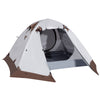
Pull your entire shelter out of storage and set it up in your backyard, driveway or living room at least a few days before departure. Walk through every step of the setup process just like you would at a campsite, no shortcuts allowed. Extend every tent pole all the way and lock each segment into place, then check for any bends, cracks or frayed connection points that could snap under wind pressure. Run every zipper on the tent body, rainfly and storage pockets all the way open and closed three times to make sure they glide smoothly, no stuck teeth or jammed tracks that leave gaps in bad weather. Stake out every guyline and pull each one taut to test the tension adjusters, then confirm no seams are peeling or leaking light when you hold the whole structure up against a bright window. Spray the rainfly lightly with a garden hose and let it sit for 10 minutes, then wipe the inner surface to make sure no water seeps through the coating.
Sleep system performance verification
Unroll every sleeping pad, sleeping bag and camp pillow you plan to bring, and test them under conditions that match your trip’s expected temperature. Inflate each pad fully, leave it sitting on a hard floor for 12 hours, then come back to check if it has lost any noticeable air. Run your fingertips slowly over every inch of the pad’s surface to feel for tiny pinholes that cause slow, hard-to-spot leaks. Zip and unzip the sleeping bag multiple times, work the draft seal around the hood opening, and shake the whole bag out to redistribute its insulation evenly so no clumps of padding are stuck in one corner. Lay on the pad for 10 minutes in the same position you would sleep in, to confirm no hard spots or thin sections leave you feeling the ground underneath. If you use a camp cot, unfold it completely, put your full weight on it and rock gently side to side to make sure all the support legs lock firmly and no crossbars bend under pressure.
Camp cooking and fuel system safety check
Take apart every component of your camp stove, fuel line and ignition system, then put them back together exactly as you would at a site. Open and close all fuel control valves slowly to confirm they turn smoothly and seal completely with no leftover resistance. Test the ignition spark multiple times in a well-ventilated outdoor space, away from any flammable materials, to make sure it lights reliably on the first or second try every time. Run a small amount of water through all your camp pots, pans and filter systems to check for leaks, loose handles or clogged spouts that stop water from flowing properly. Wipe down all stove connection points with a soapy water solution, then apply a small amount of air pressure to the line and watch for bubbles that signal tiny, dangerous leaks. Test every part of your fire starter system, from spark strikers to fire starters, to confirm they produce a consistent flame even in slightly damp conditions.
Lighting and power system function test
Turn on every headlamp, lantern, portable power source and backup light you plan to pack, and run them on full brightness for at least 15 minutes. Swap in fresh batteries or top off all rechargeable units fully, then test every setting from low glow to high beam to make sure no modes cut out unexpectedly. Check all light straps, mounting clips and adjustment dials to confirm they lock firmly and do not slip out of place when you move around. Plug in every small electronic device you are bringing to your portable power source, and confirm each one charges at the expected speed with no loose or faulty connection ports. Test all signal lights and emergency beacons to make sure they activate properly, then turn them off fully so they do not drain power accidentally while stored in your bag.
Emergency and navigation gear operational check
Pull out every piece of emergency gear and navigation equipment, and walk through using each one step by step. Open and close your first aid kit, check that all sealed sterile packages are still intact, and confirm every tool inside works as intended. Test your compass by holding it level and confirming the needle spins freely and settles on north without sticking. Power on all your navigation devices, load the maps for your exact camping area, and confirm the screen displays clearly even in bright sunlight. Blow into your emergency whistle to make sure it produces a loud, sharp sound with no blockages that muffle the noise. Open and close all emergency blankets, repair patches and cordage spools to confirm no pieces are tangled, frayed or stuck together from months in storage.
Backpack and carry system load test
Pack your backpack fully with every single item you plan to bring on the trip, then adjust all the straps to match your usual fit. Put the loaded pack on your back, walk around for 15 minutes, and swing your arms and bend over like you would while hiking to the campsite. Tug on every compression strap, hip belt and shoulder strap to confirm the buckles lock firmly and no stitching pulls loose under the full weight. Unzip every external and internal pocket one by one while wearing the pack, to make sure you can reach your most used items without taking the whole pack off. Lean the pack against a wall for 30 minutes, then check the bottom panel and all contact points to make sure no thin sections stretch or tear under the full load.