How to Set Up a Campsite on Uneven Ground
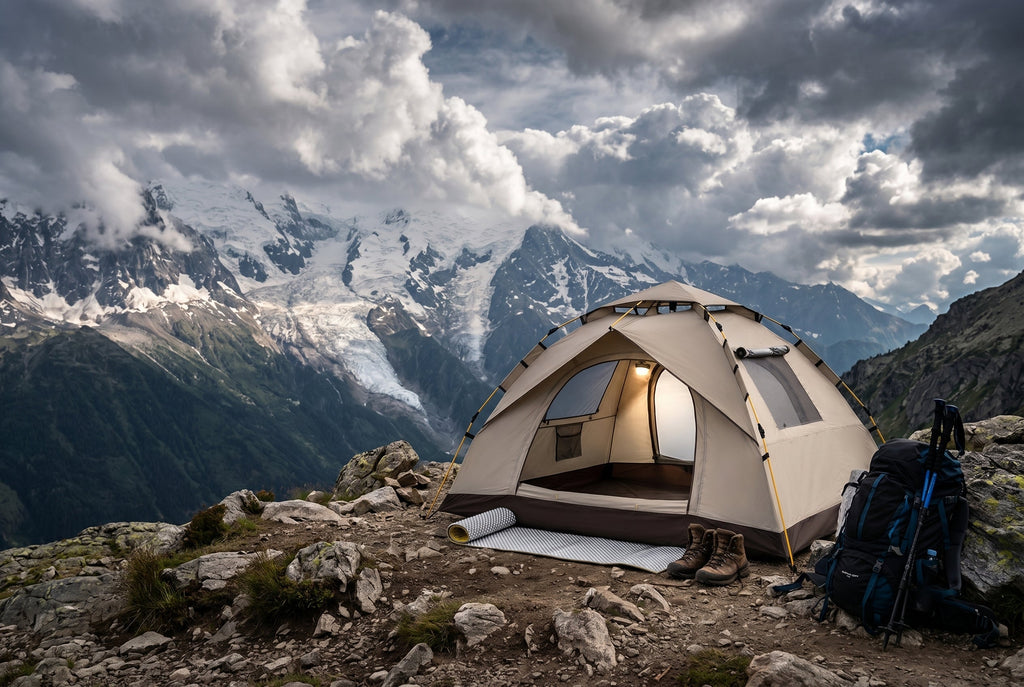
Knowing how to set up campsite uneven ground is one of the most valuable skills any camper can develop. With the right campsite selection tips and ground preparation techniques, you can create a comfortable shelter on rocky slopes and rugged terrain.
Why Camping on Sloped Ground Requires Proper Setup
In the backcountry, uneven terrain is the norm. Learning to set up campsite on uneven ground matters because pitching on sloped or rocky ground without technique leads to sliding in your sleep, rainwater pooling under your tent, and sore ankles. With smart campsite selection and creative anchoring, you can turn a hillside into a solid home base.
What You'll Need: Campsite Selection Tips and Ground Preparation
Having the right tools makes it easier to set up campsite on uneven ground:
- Shelter: Finvizo 2-Person Lightweight Backpacking Tent — freestanding design performs on any surface
- Sleep System: Closed-cell foam pad or high-R-value inflatable pad
- Tools: Multi-tool, extra guyline cord (25-50 feet), Y-stakes for soft soil, nail stakes for rock
- Leveling: Small collapsible trowel, plus dry leaves, grass, or pine needles
- Protection: Tent footprint or Tyvek groundsheet

Step-by-Step: How to Set Up Campsite on Uneven Ground
Step 1: Survey and Select the Best Possible Spot
When terrain is uneven, find the "least bad" spot — prioritize the flattest area. Walk slowly and feel for hidden rocks under leaf litter. To set up campsite on uneven ground safely: sleep with your head facing uphill, avoid windy ridge tops and cold valley bottoms, check overhead for dead branches, and avoid game trails.
Step 2: Clear and Prepare the Ground Surface
Remove every rock, stick, and pinecone larger than your fist — a 5-minute clear-out saves hours of discomfort. Fill depressions with dry leaves or grass. If on a slope, dig a shallow shelf 2-3 inches deep on the uphill side for your head. This helps enormously when you set up campsite on uneven ground. Finally, lay your groundsheet over the prepared area.
Step 3: Position Your Tent with Head Uphill
Tent orientation is everything on sloped ground. Position your head on the uphill side to prevent sliding. With a partner on a steep slope, position yourselves perpendicular to it.
The Finvizo 2-Person Tent makes this easier with its dual-door design. Use the uphill-facing door for stable footing and better airflow to prevent condensation.
Step 4: Secure Stakes in Challenging Ground
Tent stake placement on rocky soil requires creativity. In soft ground, use Y-stakes or deadman anchors. In rocky terrain, wrap guylines around large rocks. When you set up campsite on uneven ground, angle stakes at 45 degrees for maximum holding power. Freestanding tents have a huge advantage — they stand without stakes. Place a heavy rock on each corner and carry 25-50 feet of extra cord. For more options, explore our lightweight backpacking tent guide.

Step 5: Use Guylines to Fine-Tune Tent Tension
Uneven ground creates uneven wall tension — some panels pull tight while others sag. Extend guylines to rocks, logs, or trees and adjust until the rainfly sits evenly without touching the inner tent. When you set up campsite on uneven ground, carry 25-50 feet of extra cord for extending guylines to distant anchors.
Step 6: Build a Sleep System That Compensates for the Ground
Lie down on your pad and test for pressure points or sliding. If you drift downhill, stuff clothing under the downhill side to create a leveling wedge. Learning to set up campsite on uneven ground means using a dual-pad system: layer a closed-cell foam pad beneath your inflatable one for extra R-value, puncture protection, and gap-filling.
Pro Tips: How to Level a Tent Site and Sleep Comfortably
Use these expert strategies when you set up campsite on uneven ground:
- The 60-Second Lie-Down Test: Lie flat on the bare ground for 60 seconds before pitching. If you can't get comfortable for one minute, you won't for eight hours.
- Use Natural Windbreaks: Position your tent behind boulders or bushes to reduce wind chill by up to 15 degrees.
- The Water Test: Pour a cup of water where you'll sleep. If it pools or flows toward you, relocate.
- Test at Home: Spend a night on your hardest floor with your camp setup. If you can't sleep on tile, you won't on rock.
- Carry Tyvek: A 5x7-foot piece weighs a few ounces and provides a durable, waterproof barrier on rocky ground.
Common Mistakes: Tent Setup on Rocky Terrain
Avoid these when you set up campsite on uneven ground:
- Pitching in a Dry Creek Bed: Dry creek beds look flat, but storms can turn them into raging channels. Camp above the high-water line.
- Not Using All Anchor Points: On uneven ground, every guyline matters — use them all for wind stability.
- Ignoring Tree Hazards: Dead branches and leaning "widowmakers" can fall without warning. Always look up first.

FAQ: Set Up Campsite Uneven Ground
Common questions about how to set up campsite on uneven ground:
Can you pitch a tent on rocky ground without stakes?
Yes — freestanding tents stand without stakes, making them ideal for rocky terrain. Place a heavy rock on each corner and guy-out point to anchor the tent.
How do you sleep comfortably on a slope?
Sleep with your head facing uphill. Place extra clothing under the downhill edge of your pad to create a leveling wedge. A partially inflated pad adjusts to contours better.
What if I can't find any flat ground at all?
Clear debris, fill depressions with leaves or grass, and dig a shallow shelf on the uphill side. Even 2-3 inches of leveling transforms an uncomfortable slope. The goal is "good enough for one night."
Should I use a footprint on rocky ground?
Absolutely — rocky ground is abrasive and can puncture your tent floor. A footprint or Tyvek groundsheet acts as a sacrificial barrier and adds insulation.
Is it safe to camp on a hillside?
Generally safe with precautions: check for loose rocks, avoid game trails, check weather for high winds, choose protected sites, and tell someone your location.
Ready to Set Up Campsite on Uneven Ground Like a Pro?
Mastering how to set up campsite uneven ground opens up camping beyond flat, crowded sites. With smart campsite selection and a freestanding shelter like the Finvizo 2-Person Lightweight Backpacking Tent, you can pitch confidently on rocky ridges and hillsides. For more advice, read REI's guide on tent setup tips and Outside Magazine's how to camp on a slope.
Related Guides:
- How to Hike with a 50L Backpack Without Back Pain (2026 Guide) — compare freestanding shelters
- How to Choose the Right Tents for Your Needs? — find the right shelter
- Instant Tent vs Traditional Tent: Setup Time & Durability Compared — quick-setup options